
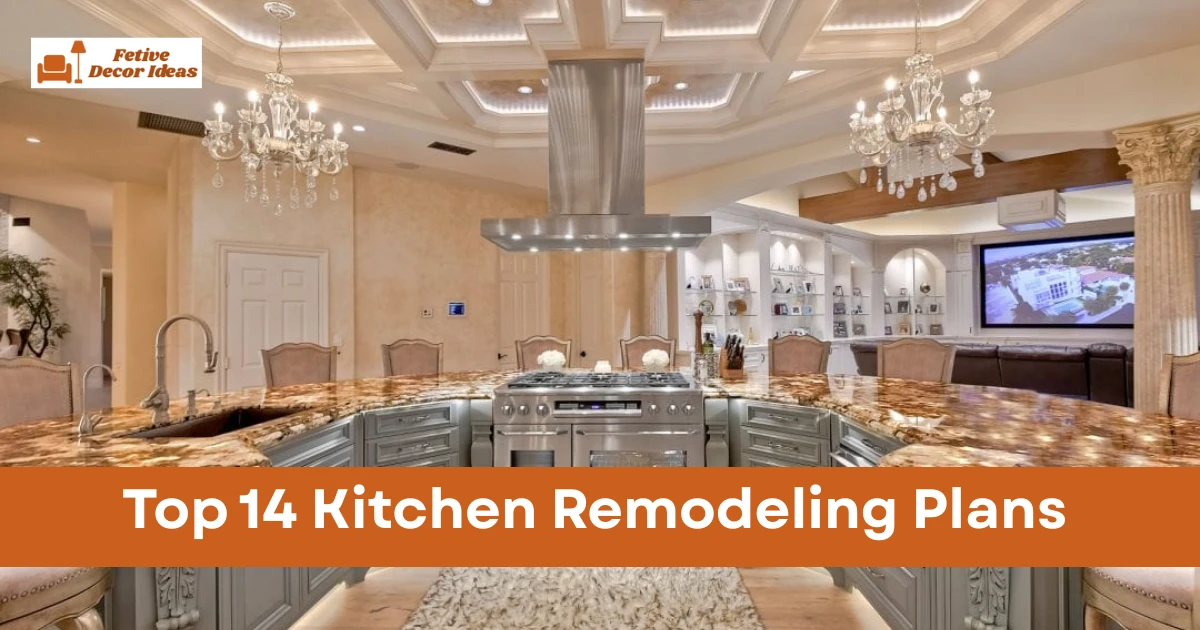
When I plan a kitchen remodel, I always start with a clear kitchen remodeling plan, not random ideas. A proper plan saves money, avoids mistakes, and keeps everything organized from start to finish. Without a plan, things quickly turn messy and expensive.
I have seen many people jump straight into buying cabinets or tiles, and later regret poor layout decisions. That is why I always say that a good remodeling plan focuses on layout, workflow, budget, and functionality first, then design.
I will walk you through 14 practical kitchen remodeling plans that you can actually follow in real life. Each plan is designed for different needs, spaces, and budgets, so you can choose what fits your home best.
Smart Kitchen Remodeling Planning Basics Before You Start
Before I jump into the plans, I want to quickly share what I always consider first. This helps you choose the right plan instead of blindly following trends.
I always focus on how I use my kitchen daily, because functionality matters more than looks. A beautiful kitchen that feels uncomfortable is honestly useless.
1. Open Concept Kitchen Remodeling Plan
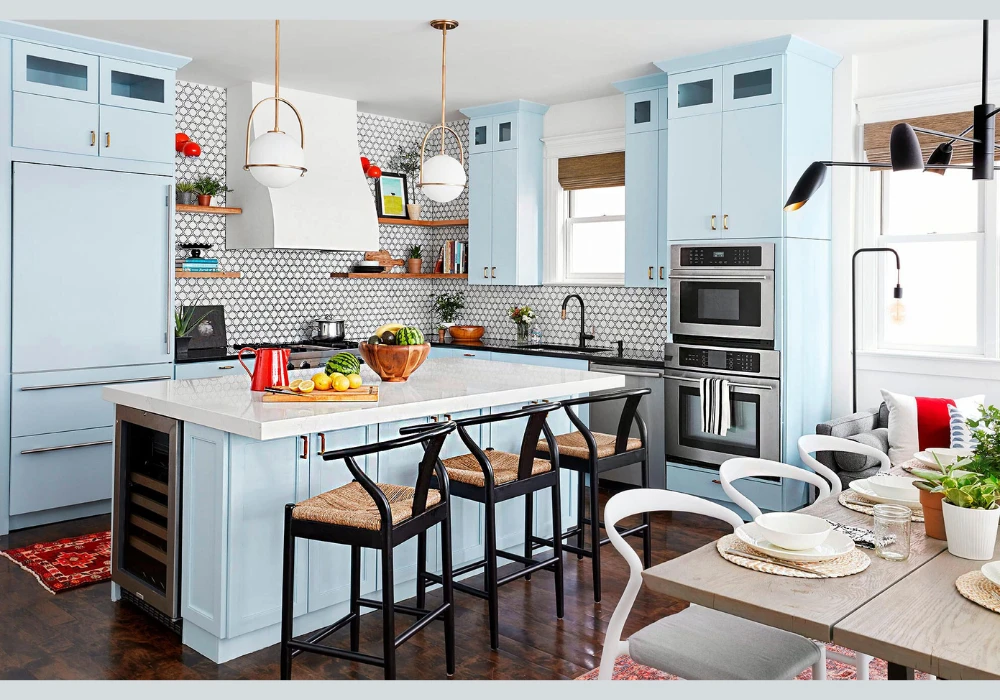
I prefer open kitchens because they make the space feel biger and more connected. This plan removes unnecessary walls and blends the kitchen with the living area.
It works best in homes where family interaction matters, especially if you like cooking while talking to others. I usually add a kitchen island to define space without closing it. The island also gives extra storage and seating.
Light colors and simple cabinets help maintain an airy feel, which is important in open layouts. This plan may require structural changes, so I always check wall types before removal. Costs vary depending on electrical and plumbing adjustments.
I recommend durable countertops like quartz and easy-to-clean flooring. I suggest this plan for families and social homes. If you enjoy hosting guests, this setup works really well.
2. Small Kitchen Space Optimization Plan
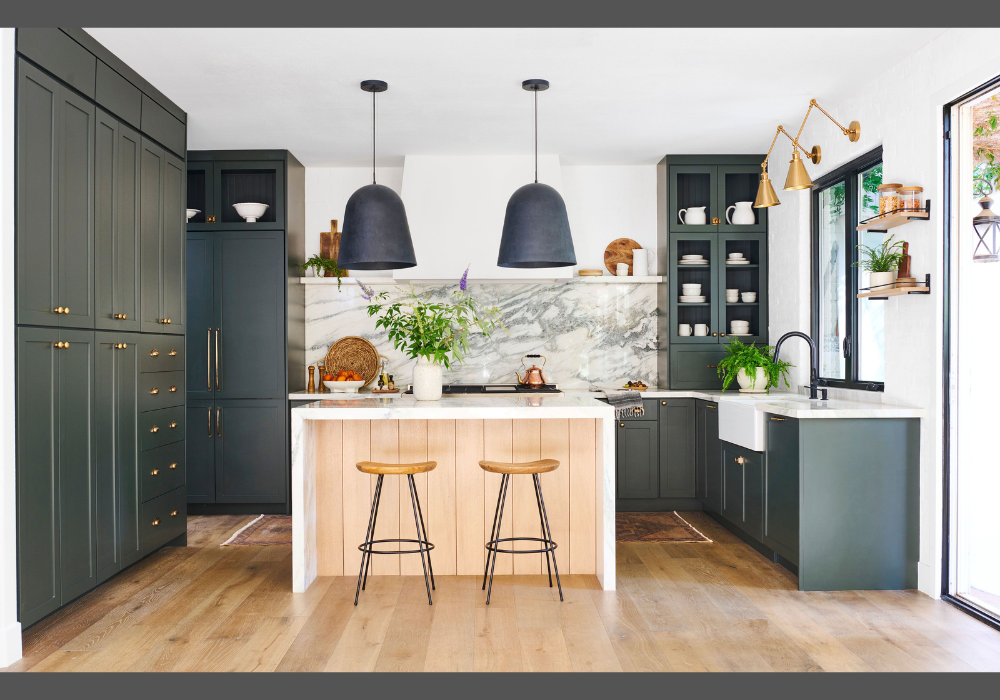
I always focus on maximizing every inch in a small kitchen. Space is limited, so smart storage becomes the main priority. Even a small kitchen can feel efficient if everything has a proper place.
I use vertical cabinets, pull-out drawers, and wall-mounted shelves. These small changes make a huge difference. Foldable counters or slim islands also help save space.
This plan is usually affordable because it focuses on improving existing space instead of major changes. I recommend simple cabinet upgrades and lighting improvements.
3. L-Shaped Kitchen Remodeling Plan
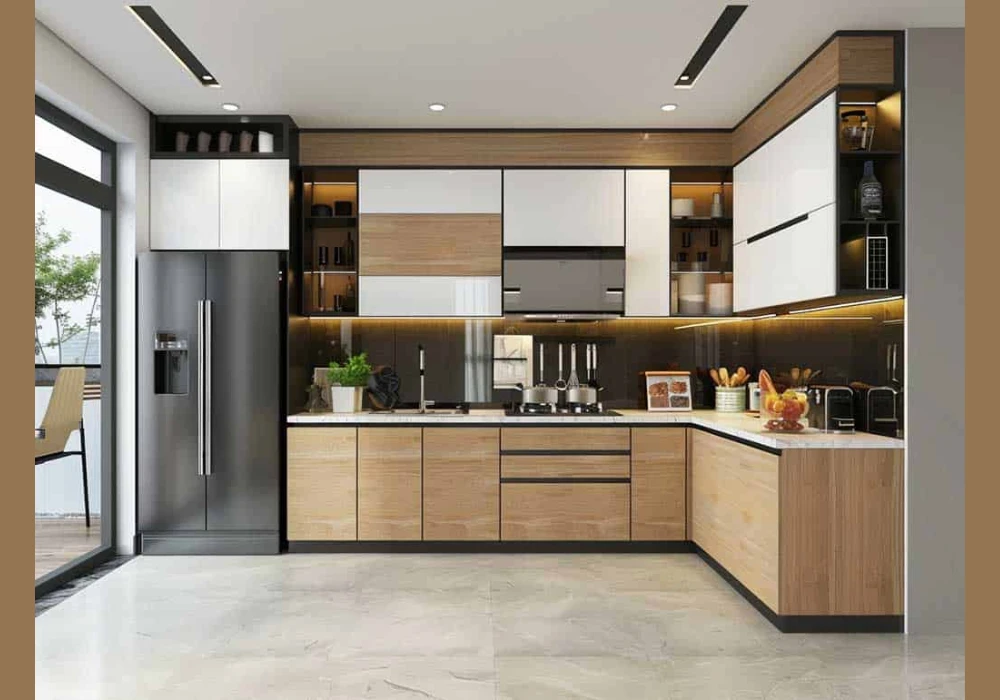
I like L-shaped kitchens because they use corner space efficiently. This layout keeps everything within reach. It also leaves room for dining or movement.
I place cooking, washing, and storage areas in a triangular flow. This reduces unnecessary movement. Corner cabinets can include rotating shelves for better use.
This plan works well for medium budgets. It does not require heavy structural changes. Cabinet customization may increase costs slightly. I recommend this plan for medium-sized kitchens that need both space and efficiency.
4. U-Shaped Kitchen Remodeling Plan
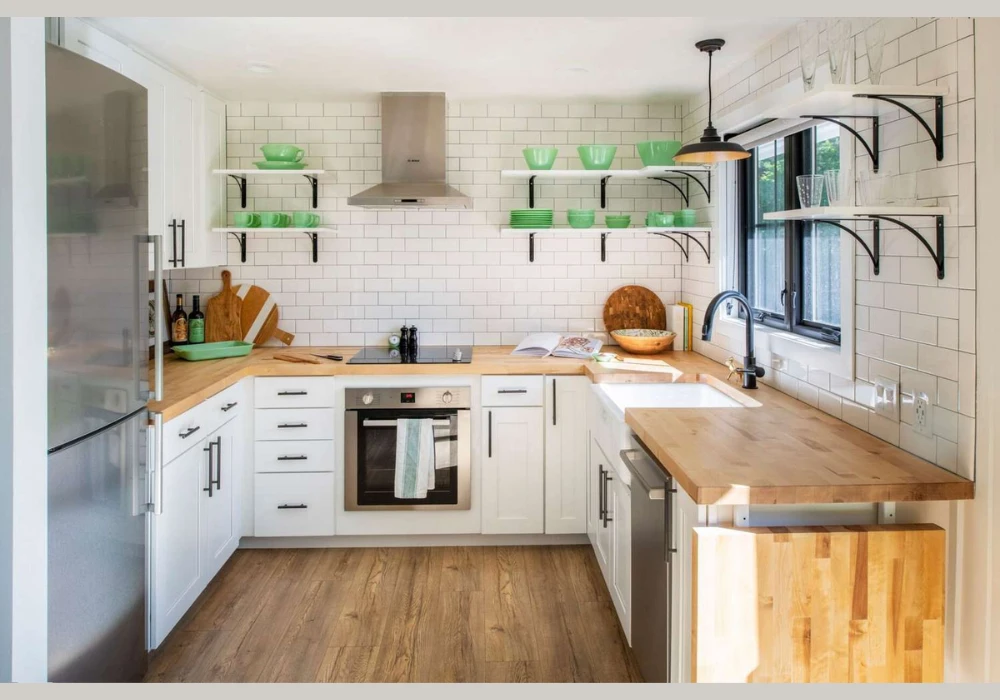
I use U-shaped layouts when storage is a priority. This design surrounds you with workspace on three sides. Adding under-cabinet lighting improves usability
It keeps everything within easy reach. I make sure there is enough walking space inside the U-shape. Otherwise, it can feel cramped.
Costs depend on cabinetry since more cabinets are required. I choose durable materials for long-term use. This plan suits larger kitchens where storage and efficiency matter most.
5. Budget-Friendly Kitchen Remodeling Plan
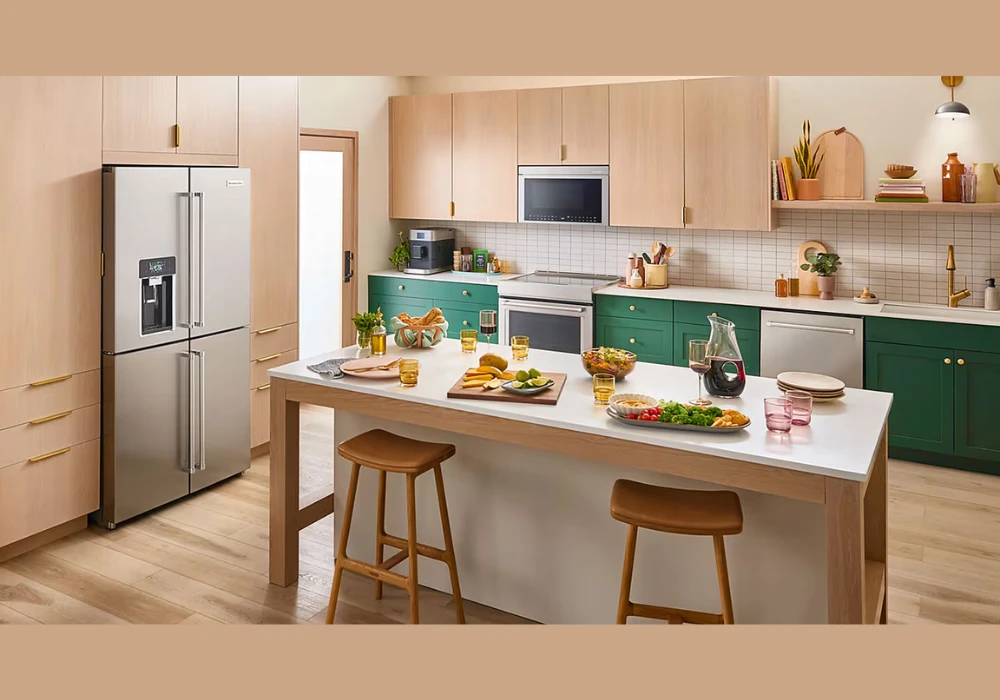
I always believe you do not need a huge budget to improve your kitchen. Small upgrades can create noticeable changes. Painting cabinets alone can refresh the entire space
I focus on lighting, cabinet handles, and backsplash changes. These are low-cost but high-impact upgrades. Replacing old fixtures also helps modernize the kitchen.
I reuse existing layouts to avoid plumbing changes. This keeps expenses low. I also compare materials before buying. This plan works best if you want a quick upgrade without spending too much.
6. Modern Minimal Kitchen Remodeling Plan
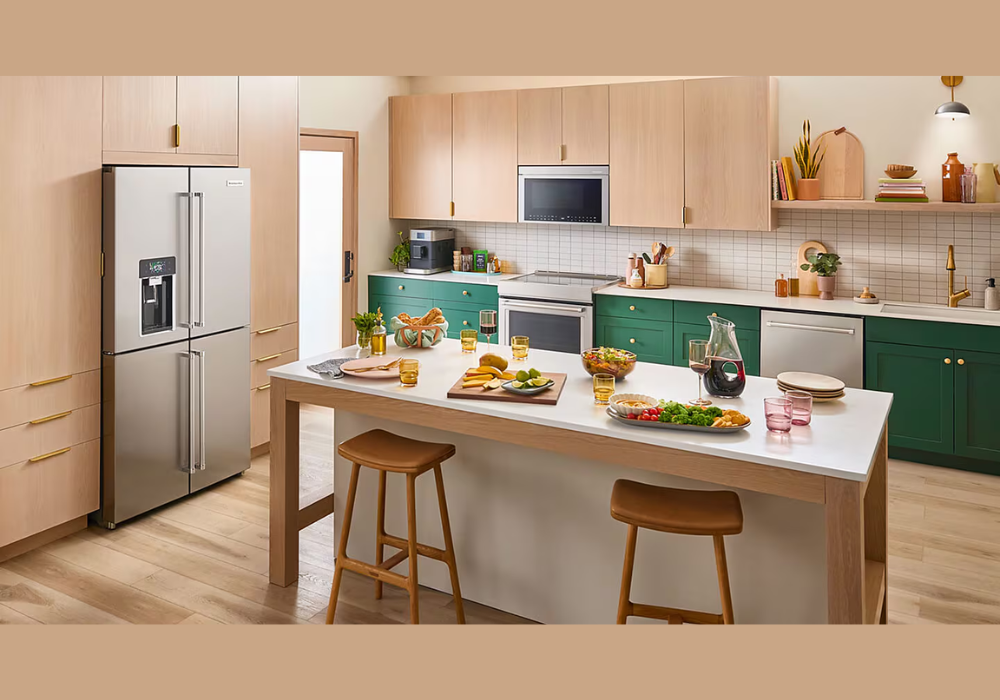
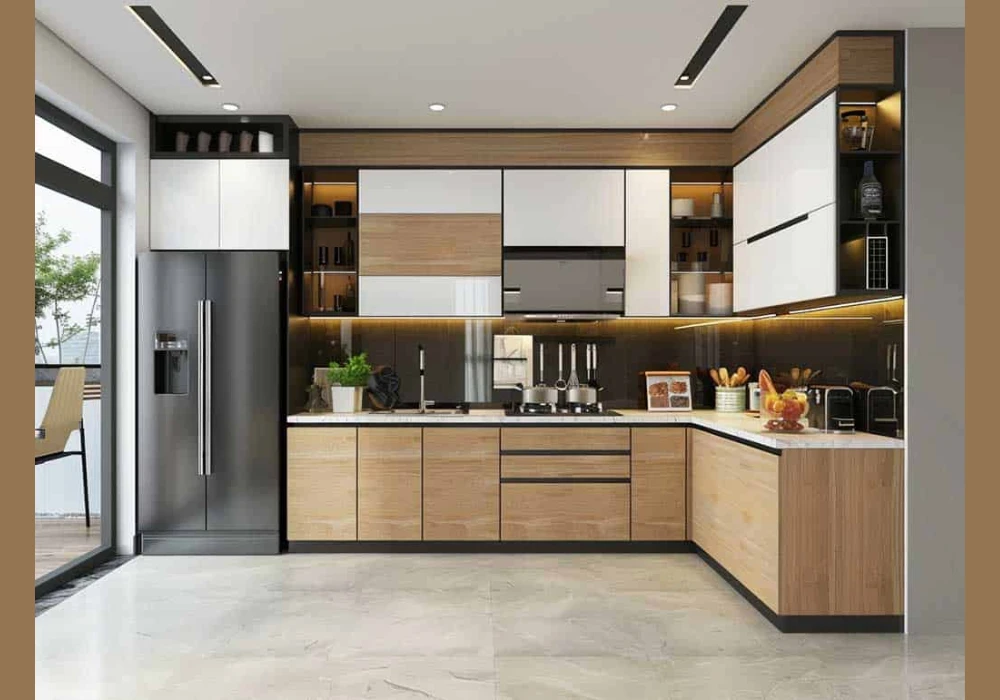
I prefer minimal kitchens when I want a clean and clutter-free look. Everything feels organized and calm. This plan focuses on simplicity and function.
I use handle-less cabinets, neutral colors, and hidden storage. This keeps the kitchen visually clean. Lighting plays a big role in enhancing the look.
Costs depend on finishes. Minimal designs can be affordable or expensive depending on materials. This plan suits modern homes where simplicity and neatness matter.
7. Kitchen Island Remodeling Plan for Better Functionality
I find that a kitchen island instantly improves both workspace and usability. It creates a central area where cooking, prepping, and even casual dining can happen together.
An island also helps define zones, especially in open or semi-open kitchens. I always make sure there is enough walking space around the island. At least 3 feet clearance keeps movement smooth and comfortable.
I also decide early if I want a sink, stove, or just storage on the island. I use islands for extra cabinets, drawers, and even hidden shelves. This reduces clutter on main counters.
Adding seating makes it perfect for quick meals or conversations. I recommend this plan for medium to large kitchens where space allows a central structure without crowding.
8. Galley Kitchen Remodeling Plan for Narrow Spaces
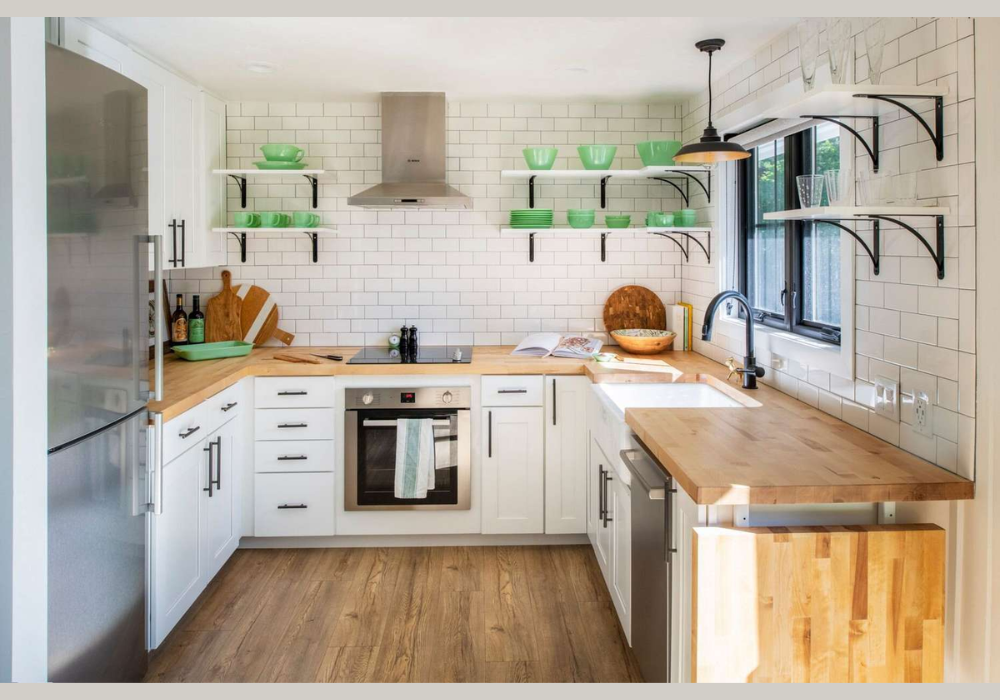
I like galley kitchens because they work well in tight spaces. Two parallel counters create a focused and efficient cooking area. This layout keeps everything within easy reach.
I keep one side for cooking and the other for prep and storage. This improves workflow and reduces confusion. Light colors and reflective surfaces make the space feel wider.
This plan is usually cost-effective because it uses a simple layout. Most upgrades involve cabinets and lighting. I avoid heavy structural changes to keep costs low. I suggest this for apartments or homes with narrow kitchen layouts where efficiency matters most.
9. Luxury Kitchen Remodeling Plan with Premium Finishes
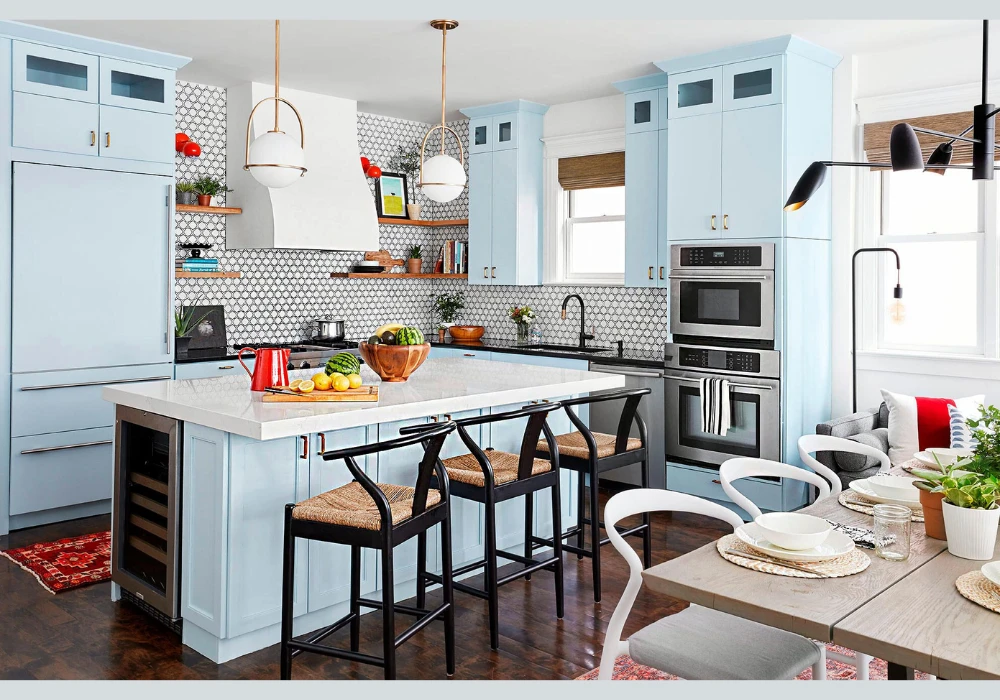
I design luxury kitchens when budget is flexible and comfort matters. This plan focuses on space, quality materials, and advanced appliances. Everything feels spacious and refined.
I use marble or quartz countertops, custom cabinets, and high-end lighting. Built-in appliances add a clean look. Details like soft-close drawers improve daily use. This plan requires a higher investment. Costs include premium materials and professional installation.
I always plan expenses carefully to avoid overspending. I recommend this for large homes where space and budget support a premium kitchen setup.
10. Farmhouse Kitchen Remodeling Plan for Warm Style
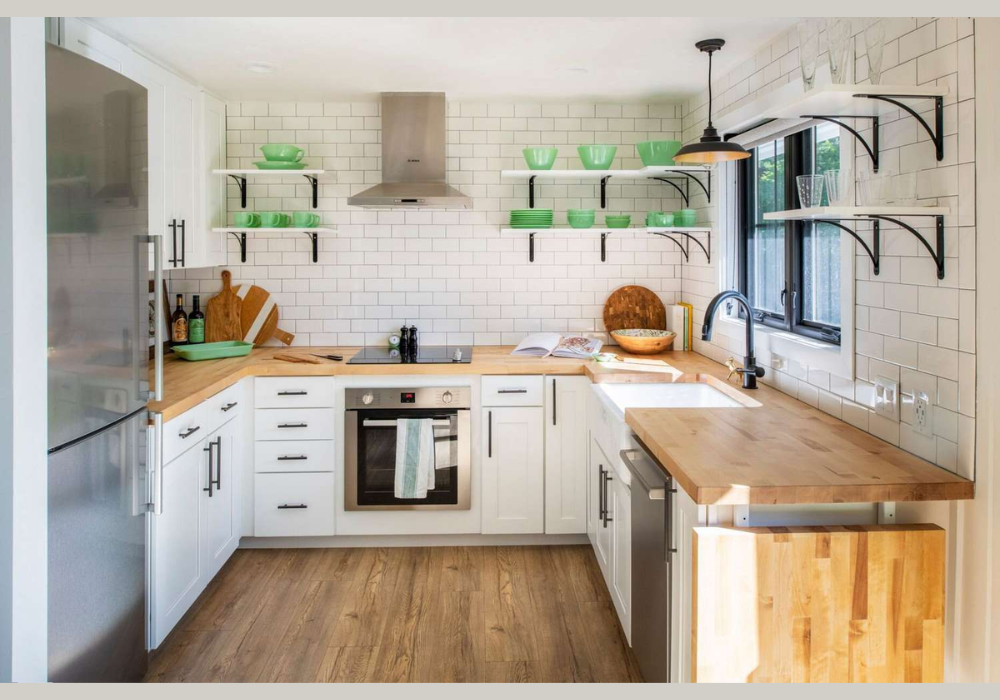
I enjoy farmhouse kitchens because they feel warm and inviting. This plan combines rustic charm with practical design. It creates a comfortable and lived-in atmosphere.
I use wooden cabinets, farmhouse sinks, and open shelving. Neutral tones with natural textures complete the look. his plan suits homes where comfort and style matter more than a sleek modern look.
Vintage-style lighting adds character. Costs vary depending on wood quality and finishes. I often mix modern materials with rustic elements to balance cost.
11. Smart Kitchen Remodeling Plan with Technology Integration
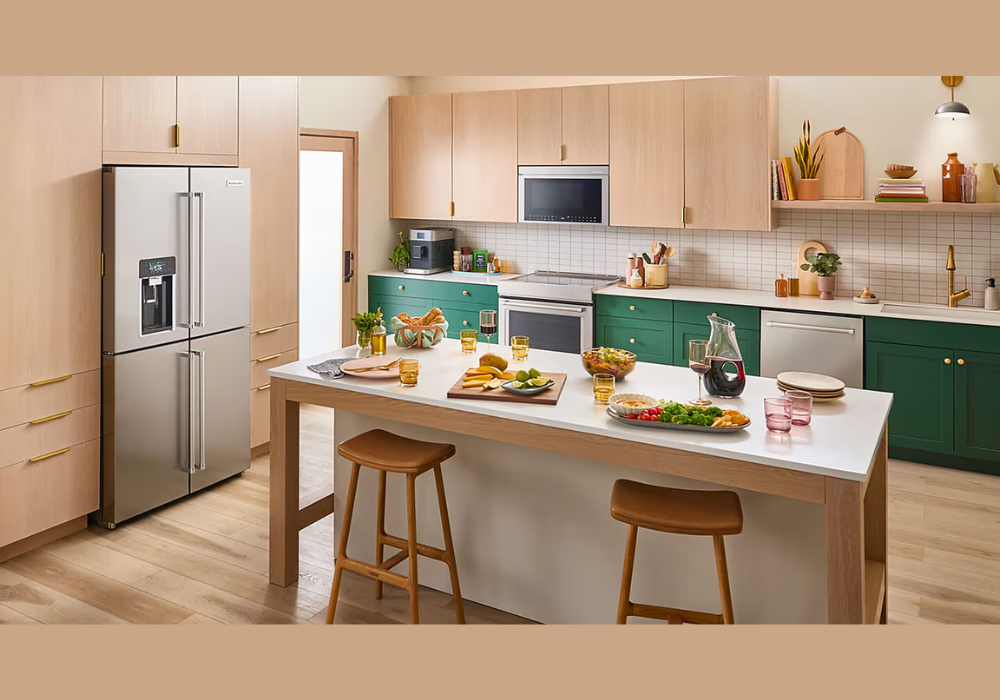
I like adding smart features because they make daily tasks easier. This plan focuses on convenience and efficiency.
It works well for modern lifestyles. I install smart lighting, touchless faucets, and app-controlled appliances. These upgrades save time and effort.
Voice-controlled assistants also help with tasks. Costs depend on the level of technology used. I start with basic upgrades and expand if needed. I suggest this plan for tech-friendly users who want convenience in everyday cooking.
12. Traditional Kitchen Remodeling Plan for Classic Look
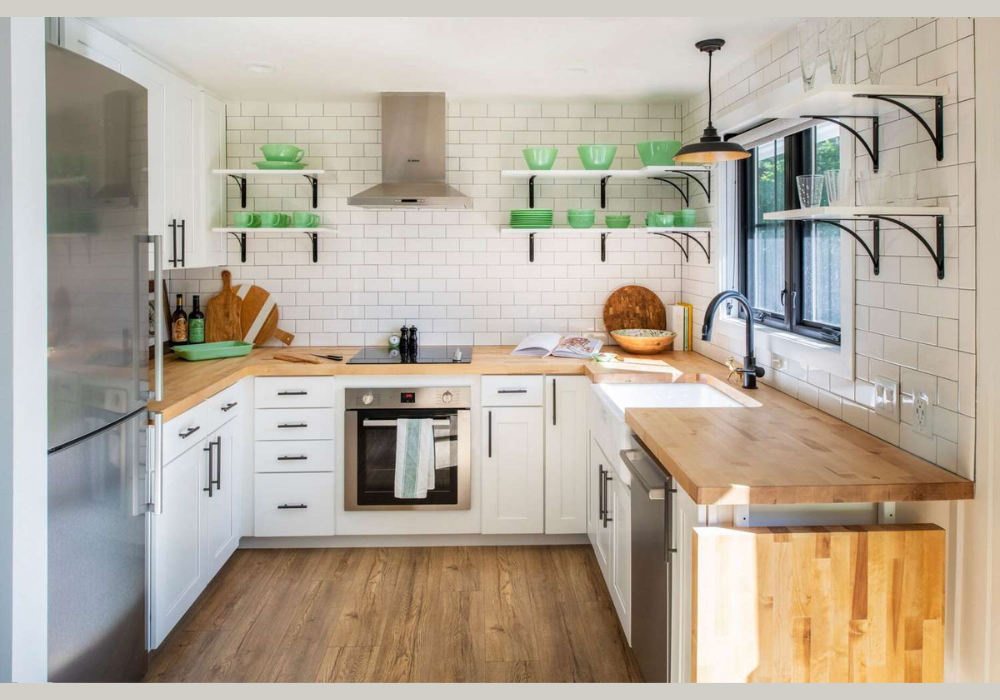
I often choose traditional kitchens because they never go out of style. This plan focuses on comfort and familiar design. It creates a timeless kitchen space I use detailed cabinets, warm colors, and classic fixtures. Decorative moldings add elegance.
Soft lighting enhances the overall feel.This plan fits medium to high budgets depending on materials. Custom cabinets may increase costI recommend this for homeowners who prefer a classic and cozy kitchen design.
13. One-Wall Kitchen Remodeling Plan for Compact Living
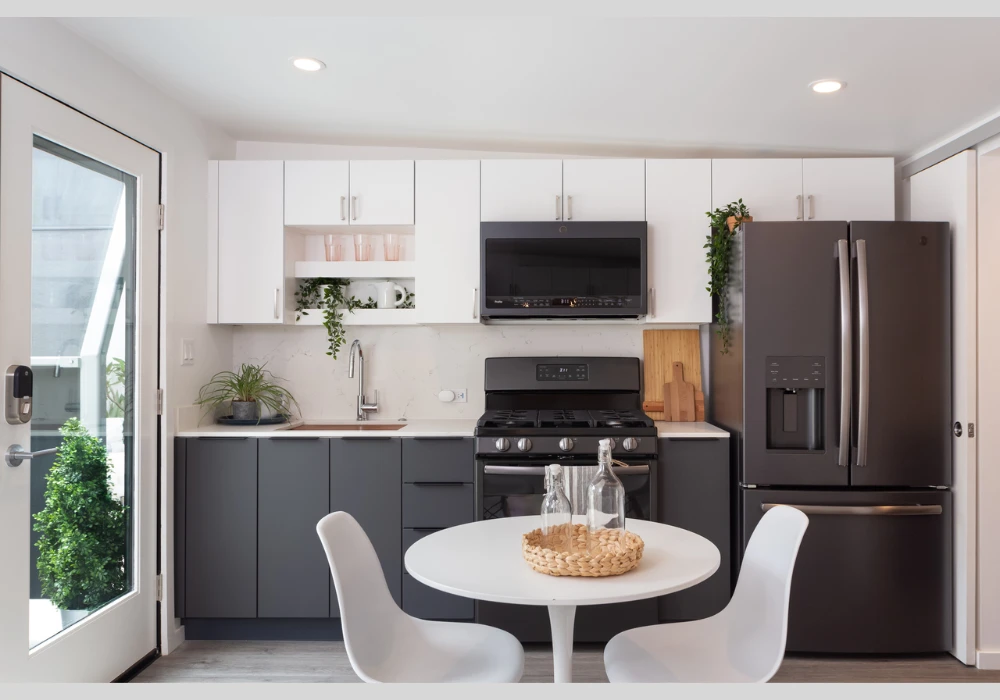
I use a one-wall kitchen plan when space is extremely limited. Everything stays aligned on one wall, which keeps the area clean and simple. This layout works well in studio apartments or open living spaces.
I focus on vertical storage because horizontal space is limited. Tall cabinets and wall shelves help store more items without clutter. Built-in appliances also keep the layout neat.
This plan is usually affordable because it requires fewer materials. Plumbing and wiring stay in one line, which reduces costs. I always keep design simple to avoid overcrowding.
14. Family-Friendly Kitchen Remodeling Plan for Daily Use
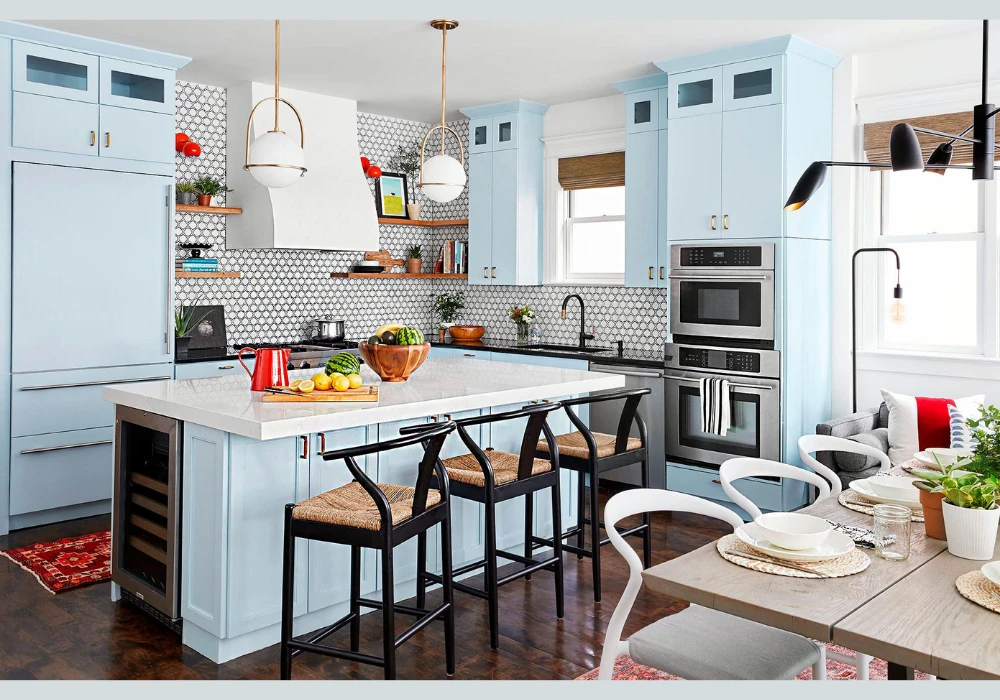
I always design family kitchens with safety and convenience in mind. This plan supports daily cooking, kids, and shared meals. Everything stays easy to access and maintain.
I create wide pathways to avoid crowding. Rounded edges and slip-resistant flooring improve safety. I also keep frequently used items within reach.
I use strong materials that handle daily wear. Cabinets with organizers help keep things tidy. Hidden storage reduces visible mess. I suggest this for busy households where the kitchen stays active throughout the day.
How I Choose the Right Kitchen Remodeling Plan
I always remind myself that choosing the right kitchen remodeling plan depends on lifestyle, space, and budget. A plan that works for someone else may not work for me.
Before making a decision, I compare my daily kitchen habits with the plan features. This helps me avoid regret later.
- Kitchen size and layout
- Budget range
- Storage requirements
- Family needs
- Style preference
| Plan Type | Space Required | Budget Level | Best For |
|---|---|---|---|
| Open Concept | Large | Medium-High | Social homes |
| Small Kitchen | Small | Low | Apartments |
| L-Shaped | Medium | Medium | Balanced use |
| U-Shaped | Large | Medium-High | Storage needs |
| Island Plan | Medium-Large | Medium | Extra workspace |
| Galley | Narrow | Low | Efficiency |
| Luxury | Large | High | Premium homes |
| Farmhouse | Medium | Medium | Cozy style |
| Smart Kitchen | Any | Medium-High | Tech users |
| Traditional | Medium | Medium | Classic homes |
| One-Wall | Small | Low | Compact living |
| Family Plan | Medium-Large | Medium | Daily use |
Conclusion
When I look at all these kitchen remodeling plans, I always come back to one simple idea. A good plan should match how I live, not just how the kitchen looks.
I have seen that the best kitchens are not the most expensive ones. They are the ones that feel easy to use every day and solve real problems.
If you take your time, compare options, and focus on your needs, you will end up with a kitchen that actually works for you.
FAQs
I find that one-wall and galley kitchen plans work best for small spaces because they save space and improve efficiency.
Budget depends on size and materials, but small kitchens cost less while luxury kitchens require higher investment.
A kitchen remodeling plan is a structured approach that includes layout, design, budget, and material decisions before starting renovation.
Yes, I often improve kitchens by upgrading cabinets, lighting, and fixtures without major changes.