
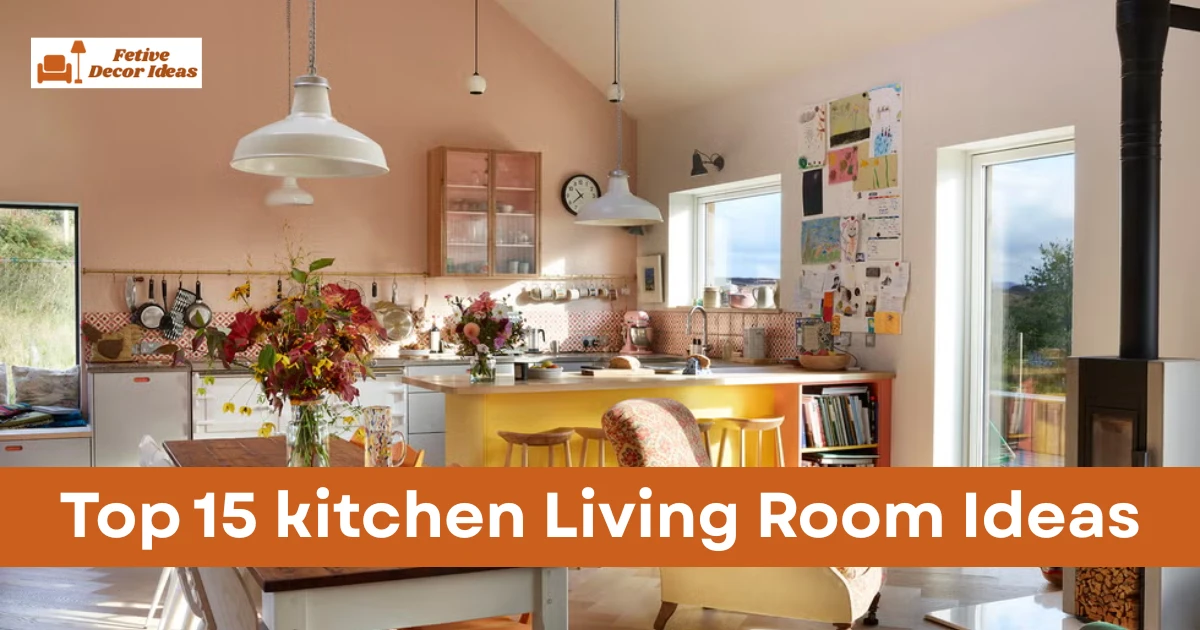
I always notice that people search for kitchen living room ideas when they want a space that feels open, useful, and comfortable. They want a design that connects cooking, dining, and relaxing without making the home feel messy or crowded.
In my experience, the best kitchen living room ideas focus on layout, flow, and daily usability. It is not about copying fancy designs, but about choosing ideas that fit real homes and real routines.
I will share practical ideas that I have seen working in everyday homes, not just in magazines. Each idea will help you improve space, comfort, and style without making things complicated.
Open Concept Kitchen Living Room Layout
I always recommend an open concept kitchen living room for better space flow and connection. This layout removes walls and creates a single area for cooking, dining, and relaxing.
It works well for families because everyone can interact without feeling separated. You can cook while talking to guests or watching kids play in the living area.
I usually suggest using rugs or lighting to define each zone without adding walls. This keeps the space organized while maintaining an open and airy feel.

This idea suits both small and large homes because it improves movement and visibility. It also makes the home look bigger without any major structural changes.
1. Kitchen Island with Seating Area
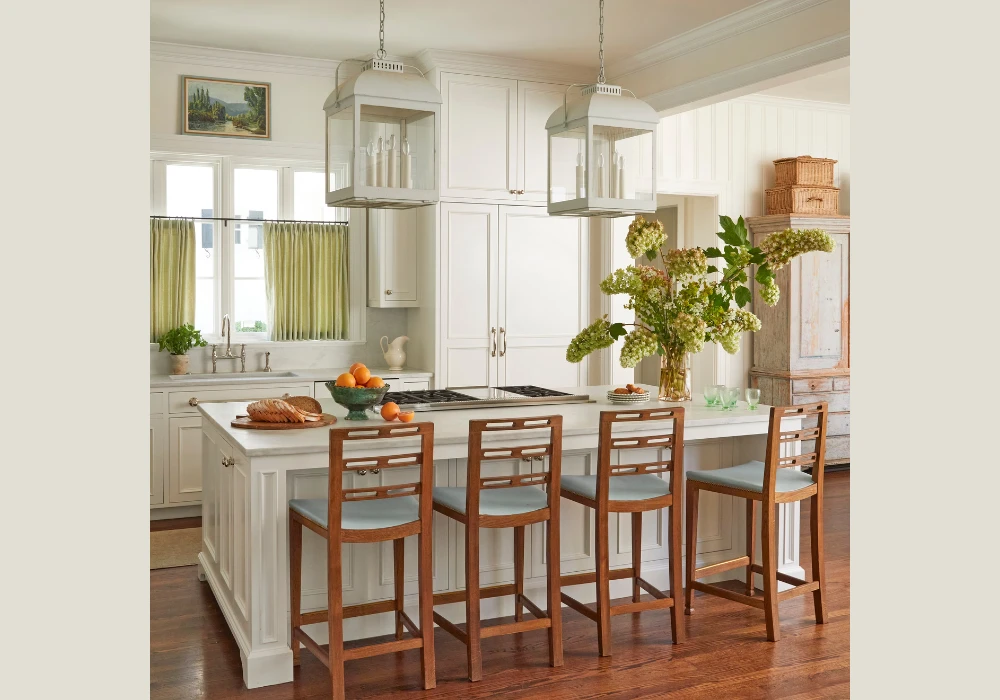
I find that a kitchen island with seating instantly improves both function and comfort. It acts as a bridge between the kitchen and living room, making the layout more social.
You can use the island for quick meals, coffee breaks, or even casual work. Adding stools turns it into a flexible dining spot without needing extra space.
I usually suggest choosing a size that fits your kitchen without blocking movement. Storage inside the island also helps reduce clutter in cabinets and counters.

This idea works best for people who want both style and everyday practicality. It keeps everything within reach while creating a natural gathering spot.
2. Small Kitchen Living Room Combo Design
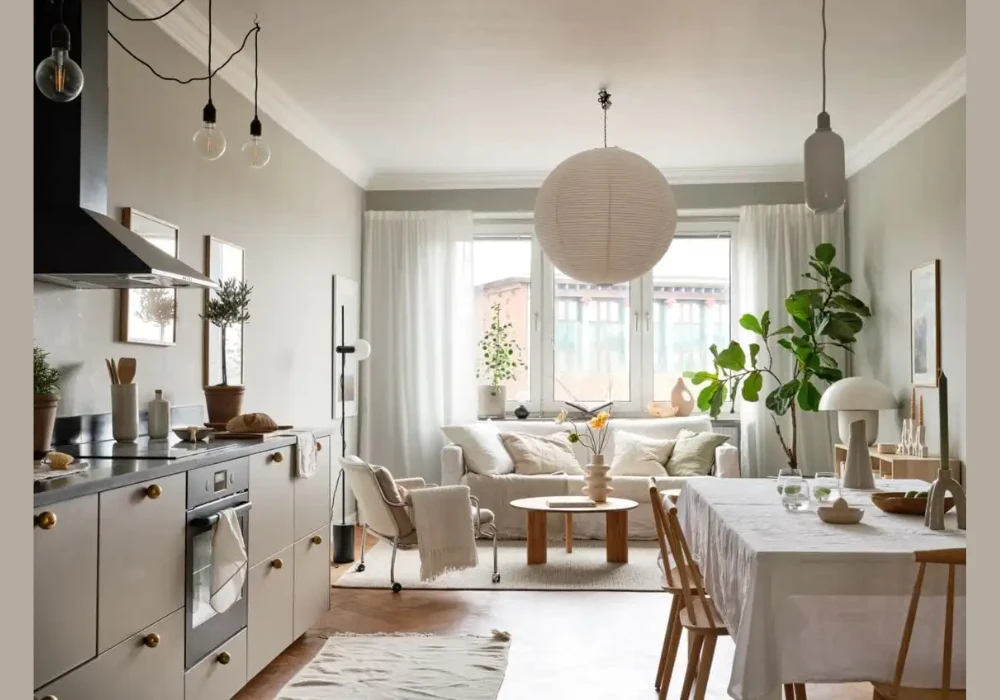
I have seen many small homes struggle with space, but a smart combo design solves this. The goal is to make the kitchen and living room feel connected without overcrowding.
I suggest using light colors and simple furniture to keep the area open and clean. Avoid bulky items because they make the space feel tighter and less usable.
Wall mounted shelves and compact appliances help save valuable floor space. You can also use foldable tables or multi-use furniture for flexibility.
This idea is perfect if you live in an apartment or small house. It helps you use every inch wisely without sacrificing comfort.
3. Modern Minimalist Kitchen Living Room Style
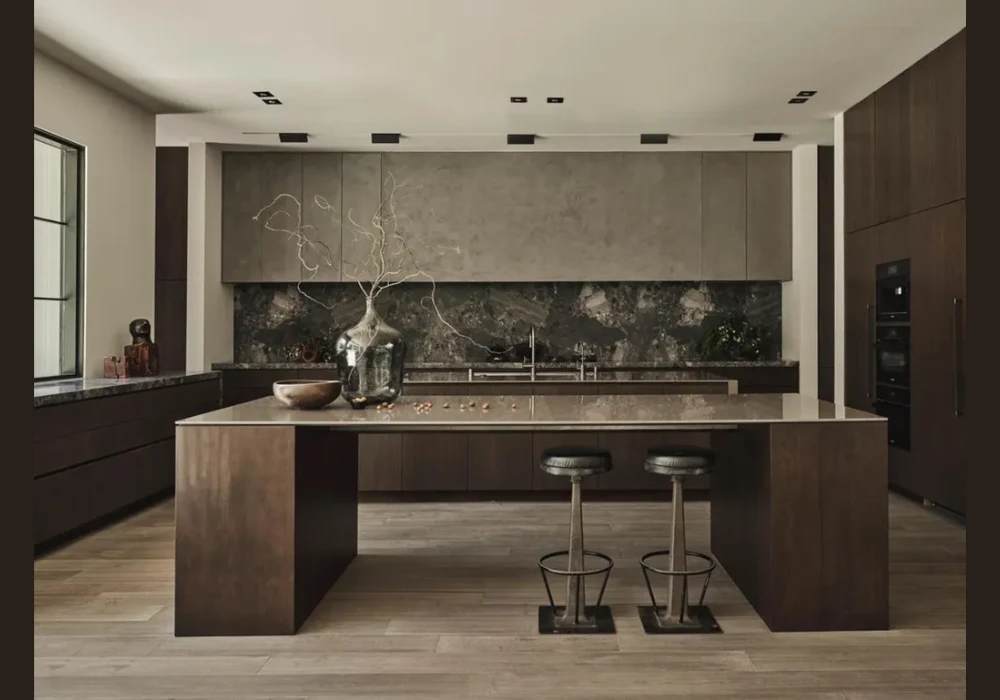
I personally like minimalist kitchen living room designs because they feel calm and organized. This style focuses on clean lines, fewer items, and clutter free surfaces.
You should keep only what you need and store everything else neatly. Neutral colors like white, beige, and grey work best for this design.
I recommend using hidden storage to maintain a clean and simple look. Flat cabinets and smooth finishes also improve the overall appearance.
This idea suits people who prefer a peaceful and easy to maintain home. It reduces stress and makes daily living feel more relaxed.
4. Kitchen Living Room with Breakfast Bar
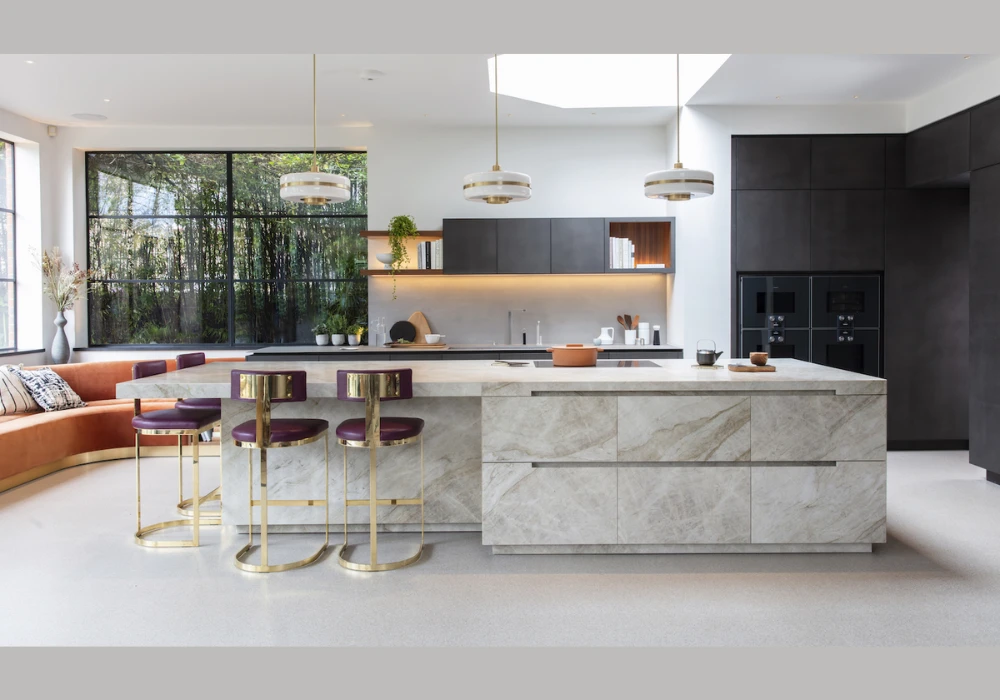
I often suggest adding a breakfast bar for quick meals and casual seating. It works well in both small and medium spaces where a full dining table feels too much.


A breakfast bar creates a clear division between kitchen and living areas. At the same time, it keeps the space open and easy to move around.
I recommend adding simple bar stools that match your overall design. Keep the design clean so it does not feel crowded or heavy.
This idea is useful for people who prefer fast meals and simple setups. It also adds a stylish touch without needing extra furniture.
5. Use of Neutral Colors for a Spacious Look
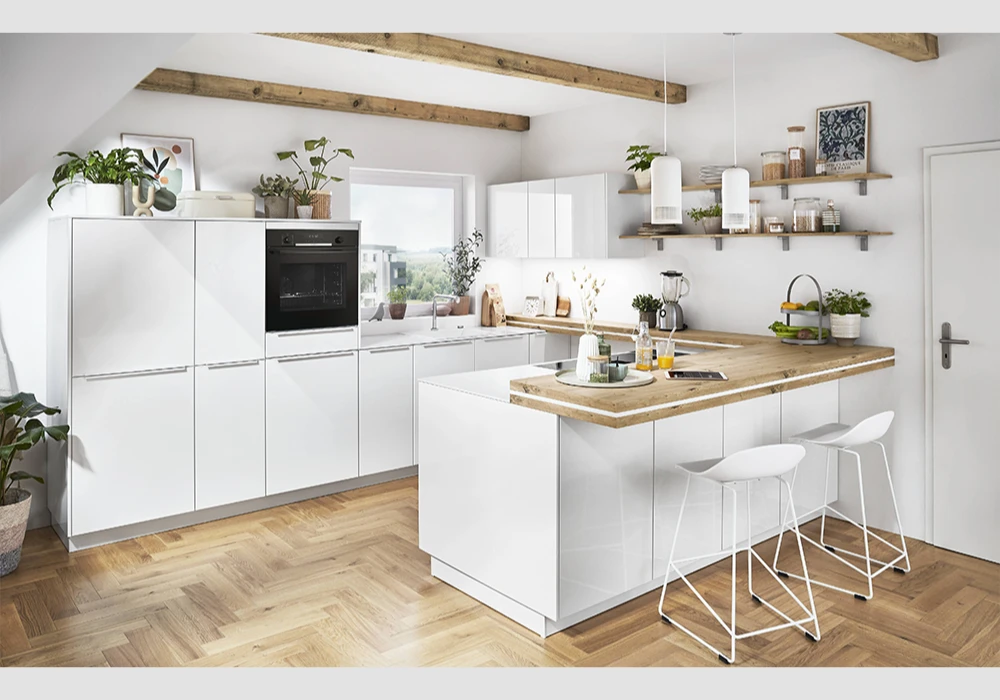
I have noticed that color choice makes a huge difference in shared spaces. Neutral colors help the kitchen and living room feel bigger and more connected.
Shades like white, cream, and soft grey reflect light and brighten the room. They also create a smooth transition between both areas.
I suggest adding small color accents through cushions or decor items. This keeps the space interesting without making it look busy.
This idea works especially well in smaller homes with limited natural light. It creates a clean and open atmosphere that feels comfortable.
6. Smart Storage Solutions for Shared Spaces
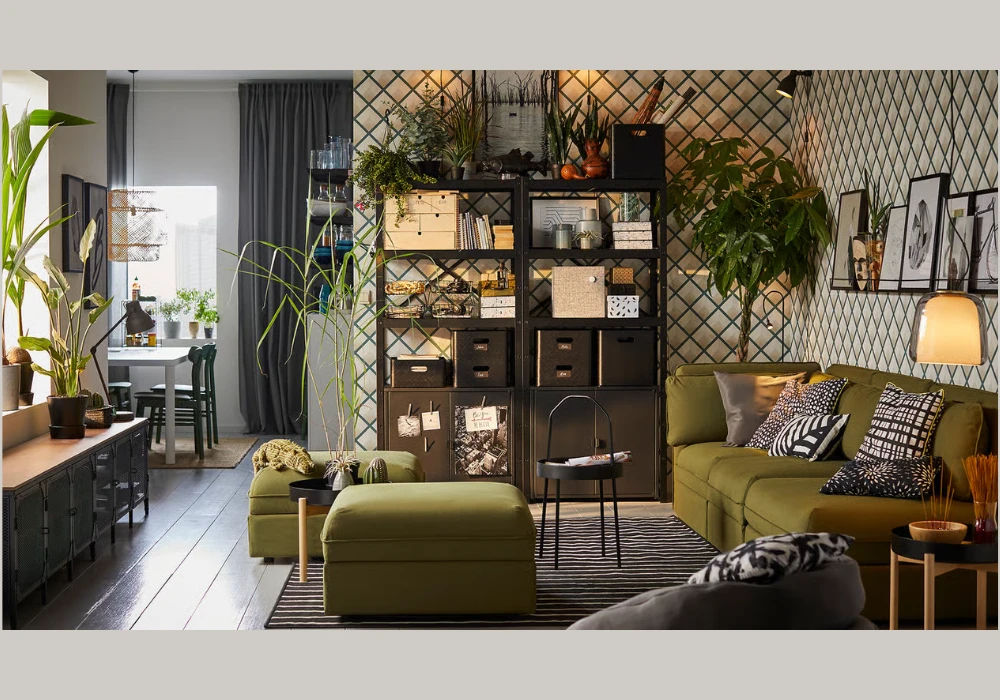
I always believe storage is the key to a functional kitchen living room. Without proper storage, the space quickly becomes messy and stressful.

I recommend using cabinets that go up to the ceiling for extra space. Hidden drawers and multi use furniture also help keep things organized.
Open shelves can be used carefully to display useful and decorative items. But avoid overloading them, or the space will start to look cluttered.
This idea helps maintain a clean and practical environment every day. It ensures everything has a place, making life much easier.
7. Lighting That Connects Kitchen and Living Room
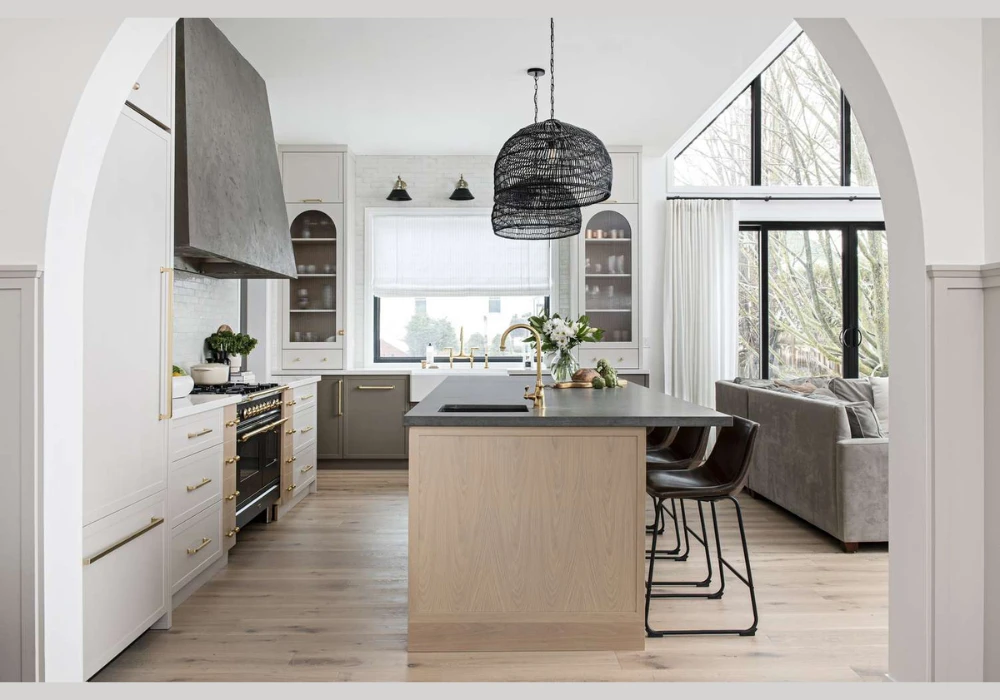
I find that lighting plays a big role in making both areas feel connected. Using the right lights can improve both function and overall mood.
I suggest combining ceiling lights with pendant lights over the kitchen area. This creates a visual link between cooking and seating zones.
Warm lighting works best for the living room, while brighter lights suit the kitchen. This balance keeps both areas comfortable and useful.
This idea improves both design and daily experience in your home. Good lighting makes the entire space feel more welcoming and complete.
8. Use of Rugs to Define Kitchen and Living Areas
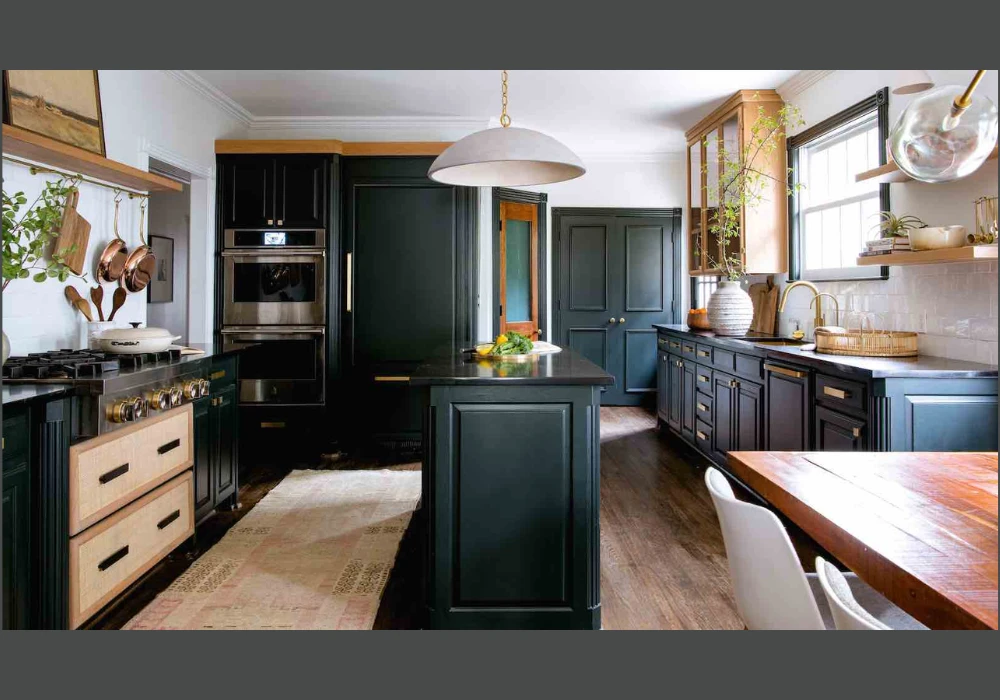
I often use rugs to separate the kitchen and living room without adding walls. This simple trick helps create clear zones while keeping the space open.
A rug under the sofa area makes the living space feel cozy and defined. At the same time, the kitchen remains clean and easy to manage.
I suggest choosing rugs that match your color theme for a balanced look. Avoid very thick rugs near the kitchen to keep cleaning simple.

This idea works well in open layouts where boundaries are not obvious. It adds comfort while quietly organizing the entire space.
9. Kitchen Living Room with Dining Table Integration
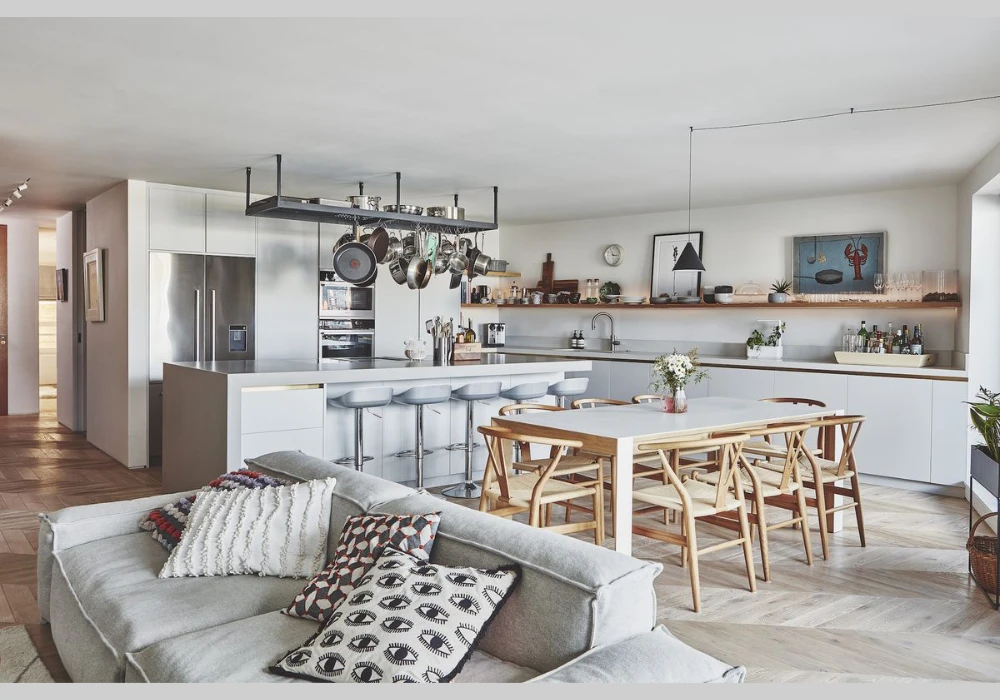
I find that combining a dining table with the kitchen living room saves space. It creates a natural link between cooking, eating, and relaxing areas.
You can place the table between the kitchen and sofa area for easy access. This setup works well for families who eat and spend time together.
I recommend choosing a table size that fits without blocking movement. A simple design keeps the area open and easy to navigate.
This idea is practical for both small and medium homes. It removes the need for a separate dining room.
10. Add Indoor Plants for a Fresh Look
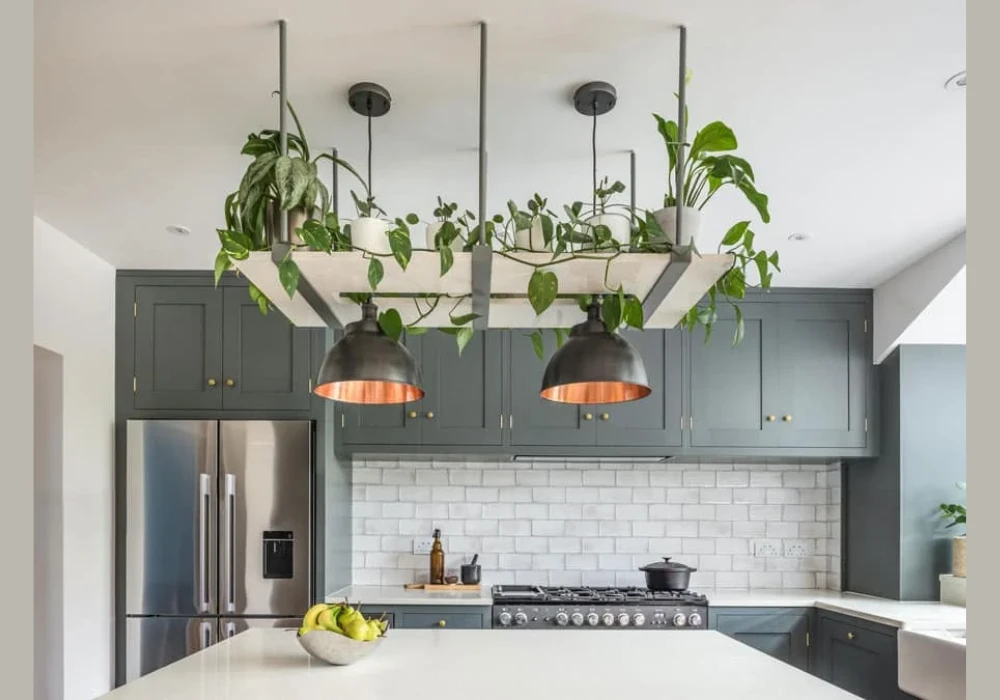
I always like adding indoor plants to kitchen living room spaces. They bring freshness and make the environment feel more alive.

Plants near windows or corners help soften the overall design. They also improve air quality in a natural way.
I suggest using low maintenance plants if you have a busy routine. Small pots on shelves or counters can also enhance the look.
This idea is simple but very effective in daily living. It adds life without requiring major changes.
11. Multi Functional Furniture for Better Space Use
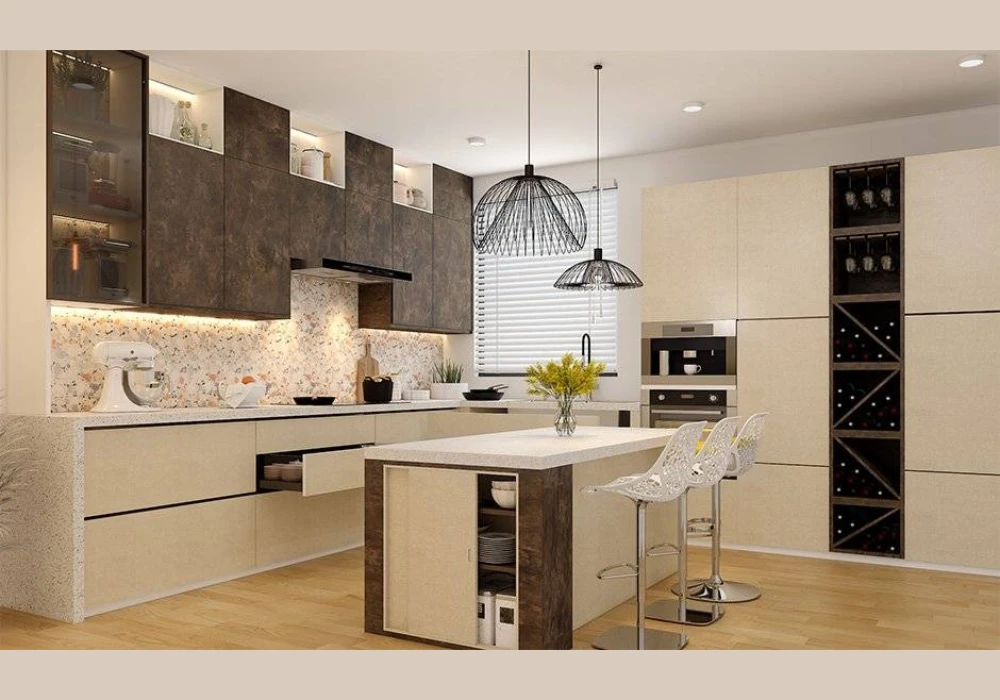
I often recommend multi functional furniture for shared spaces. It helps you use one item for different purposes.
A sofa bed or storage ottoman can save both space and money. These pieces are useful in small homes with limited room.
I suggest choosing furniture that is easy to move and adjust. This makes it easier to change the layout when needed.
This idea improves flexibility in your home setup. It allows you to adapt the space based on your needs.
12. Use of Glass Partitions for Partial Separation
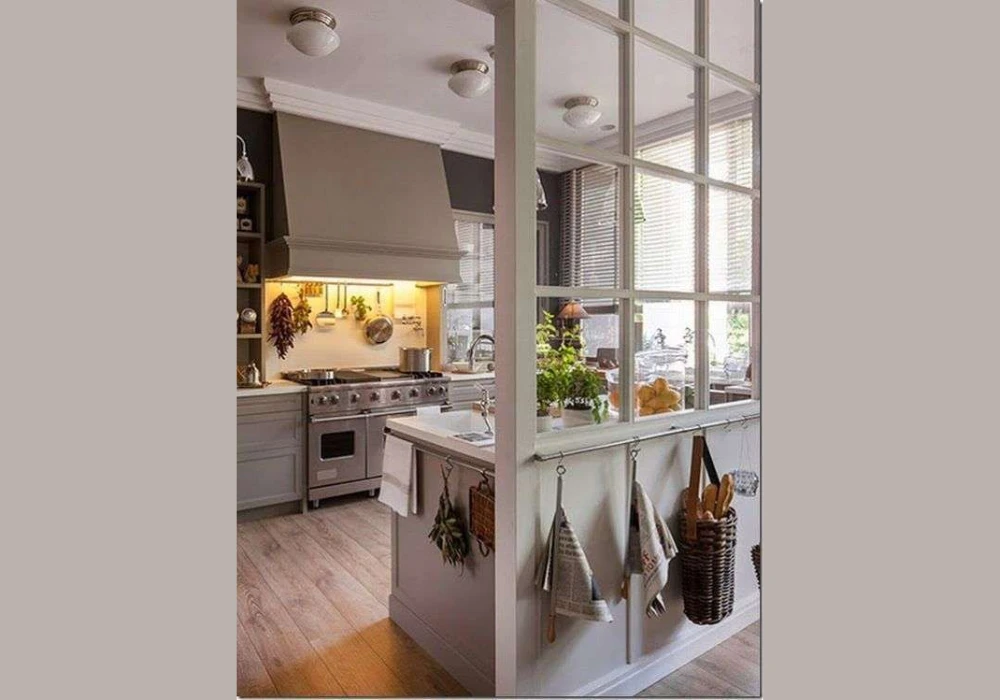
I have seen glass partitions work well when people want some separation. They divide the kitchen and living room without blocking light.
This option keeps the space bright while adding a clear boundary. It is useful for controlling noise and cooking smells.
I suggest using clear or lightly frosted glass for a clean look. Avoid heavy frames to maintain openness.
This idea suits modern homes where balance is important. It offers privacy without making the space feel closed.
13. Matching Decor Theme for a Unified Look
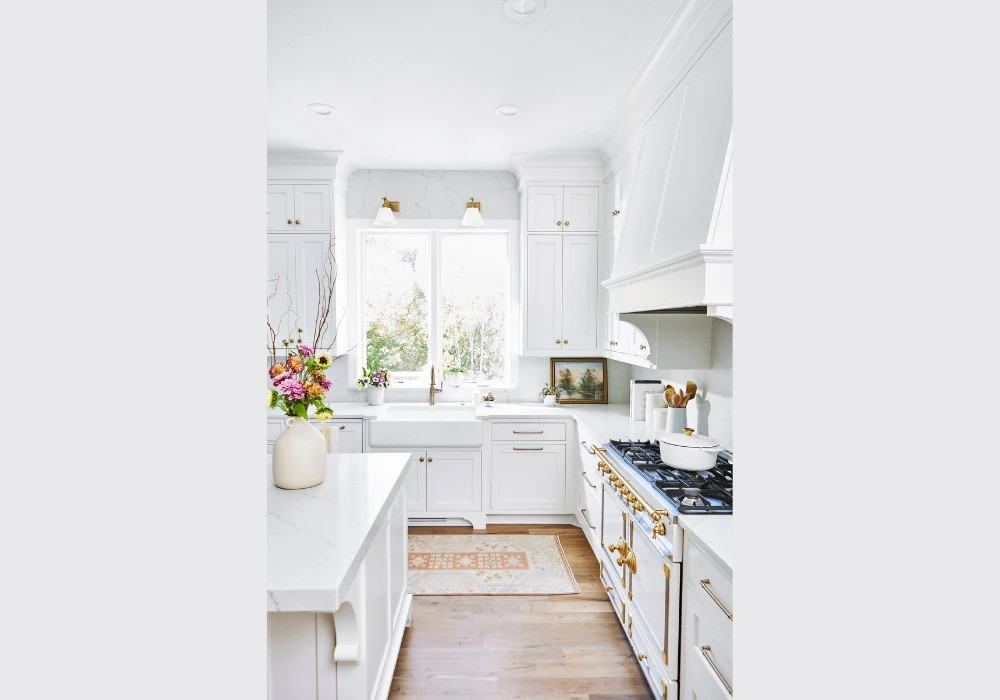
I always focus on keeping a consistent decor theme across both areas. This helps the kitchen and living room feel like one complete space.

Using similar colors, materials, and finishes creates harmony. It prevents the space from looking disconnected or messy.
I recommend repeating small elements like textures or patterns. This brings a smooth visual flow without extra effort.
This idea improves overall design without major investment. It keeps everything simple and visually pleasing.
14. Wall Mounted TV Placement in Kitchen Living Room
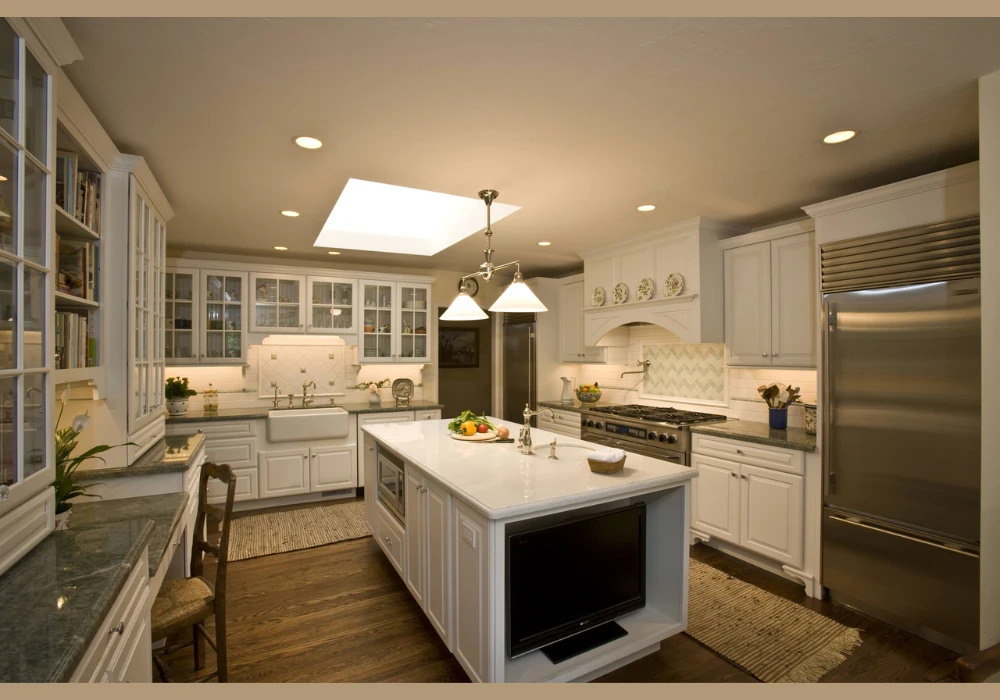
I find wall mounted TVs very useful in combined spaces. They save space and keep the area clean and organized.
Placing the TV where it is visible from both zones improves usability. You can watch while cooking or relaxing on the sofa.
I suggest choosing a height that is comfortable for viewing. Avoid placing it too high or too close to the kitchen heat.

This idea is practical for everyday living. It adds entertainment without taking up floor space.
15. Use of Open Shelving for Easy Access and Display
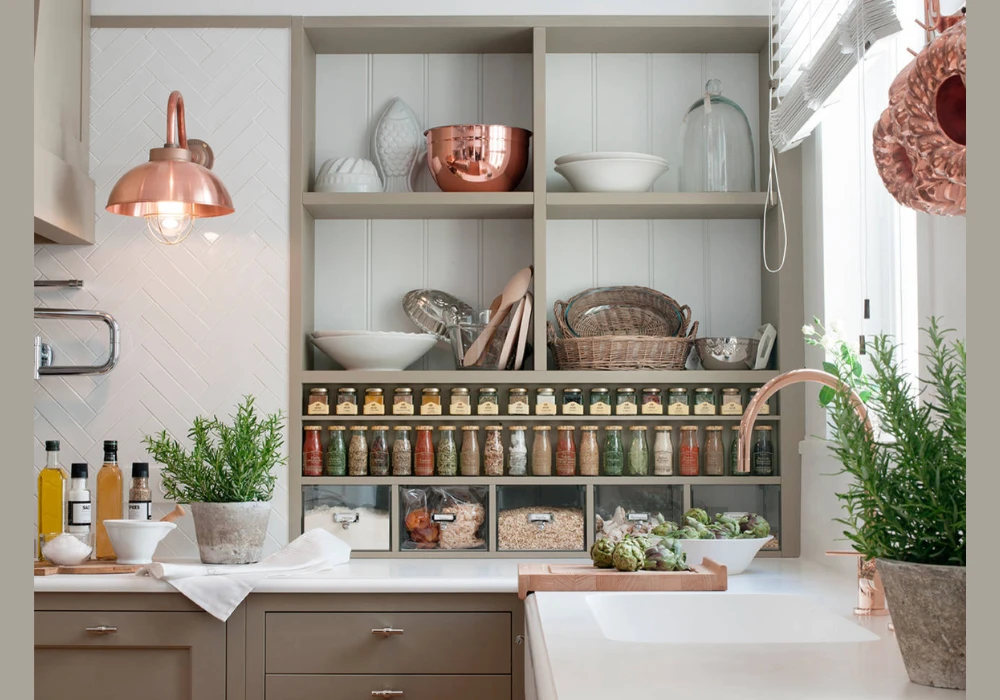
I often use open shelving to keep daily kitchen items within easy reach. It also adds a light and open feel to the kitchen living room layout.
You can place dishes, jars, or decor items to create a balanced look. At the same time, it reduces the need for bulky upper cabinets.
I suggest keeping shelves organized to avoid a messy appearance. Use matching containers to maintain a clean and simple style.
This idea works well for people who prefer both function and display. It keeps essentials visible while improving overall design.
Compact Appliances for Better Space Management
I always recommend compact appliances in shared kitchen living room spaces. They help save space without reducing daily functionality.

Small ovens, slim refrigerators, and built-in units keep the area open. They also make movement easier in limited layouts.
I suggest choosing appliances that match your kitchen size and needs. Avoid oversized items that can make the space feel crowded.
This idea is perfect for small homes and apartments. It keeps the design efficient and comfortable for daily use.
Best Tips for Designing a Kitchen Living Room Space
I always follow a few practical tips when planning a kitchen living room.
These tips help create a balanced and easy to use layout.
Key Tips to Follow
- Plan your layout first to avoid future changes and extra cost
- Keep walking space clear for smooth movement between zones
- Use proper lighting to separate kitchen and living areas
- Choose simple furniture that fits your space comfortably
- Maintain storage to keep the area clean and organized
Comparison Table for Layout Choices
| Layout Type | Best For | Key Benefit |
|---|---|---|
| Open Layout | Large families | Better interaction |
| Compact Combo | Small homes | Space saving |
| Island Layout | Medium spaces | Extra seating and storage |
| Partition Design | Privacy needs | Defined separation |
Conclusion
I believe the best kitchen living room ideas focus on comfort, space, and usability. A good design makes daily life easier without adding unnecessary complexity.
From open layouts to smart storage, each idea serves a real purpose. You can mix and match these ideas based on your home size and needs.
I always suggest starting with simple changes and improving step by step. This approach saves money and helps you understand what works best.
If you plan carefully, your kitchen living room can become your favorite space. It will feel organized, welcoming, and easy to live in every day.
FAQs
I find that open layouts work best for most homes. They improve space flow and make the area feel larger.
You can use rugs, lighting, or furniture placement. These methods create clear zones without closing the space.
Yes, but only if sized correctly. A small island can add storage and seating without blocking movement.
Light and neutral colors work best. They make the space look bigger and more connected.


I recommend using smart storage solutions. Keeping everything in place reduces clutter and stress.