
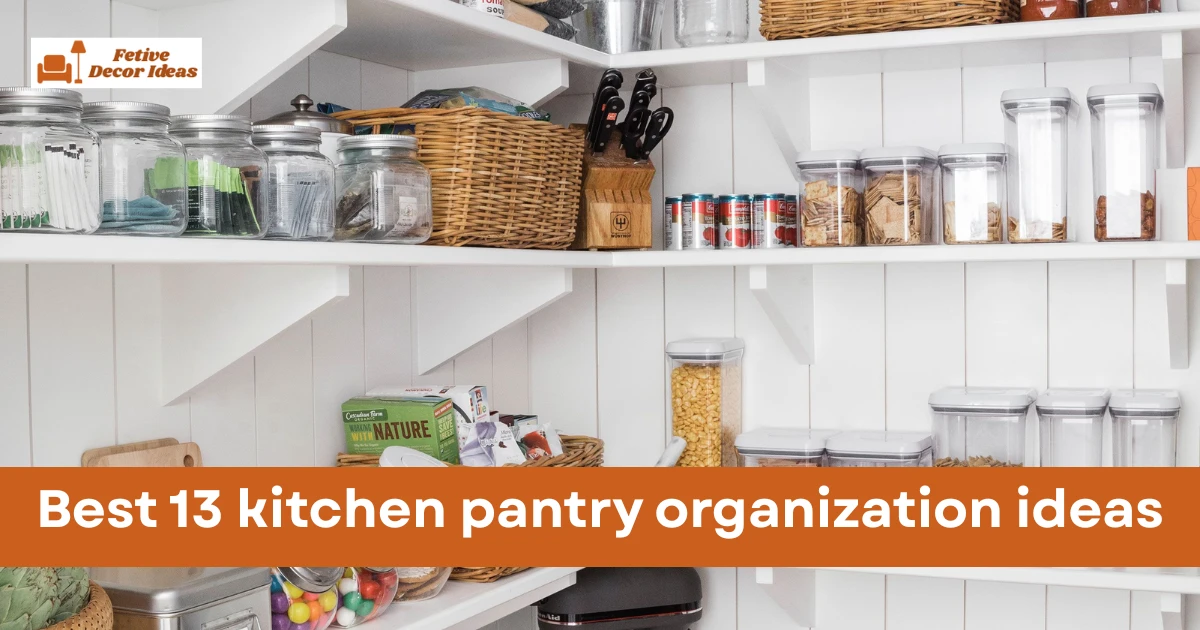
A well organized kitchen pantry saves time, reduces food waste, and makes daily cooking easier. I always notice that when my pantry stays organized, I stop buying duplicate items and use what I already have.
If you are searching for the best kitchen pantry organization ideas, you likely want practical and simple solutions. I will share ideas that you can apply easily without needing a full renovation or expensive tools.
These pantry organization ideas focus on real-life use, not just looks. I will explain how each method works, why it helps, and how you can maintain it long term.
Why Smart Pantry Organization Matters for Every Kitchen
A smart pantry setup improves daily kitchen workflow and reduces stress while cooking. I personally find that an organized pantry cuts my cooking time because everything stays visible and easy to access.
Poor pantry organization leads to clutter, expired food, and wasted space. Many people struggle with deep shelves, hidden items, and overstocking without realizing it.
When you organize your pantry properly, you create a system that works daily. The goal is not perfection but consistency and ease of use.

These ideas will help you build a pantry that looks clean and works efficiently. Let’s start with practical solutions that make a real difference.
1. Use Clear Storage Containers for Better Visibility
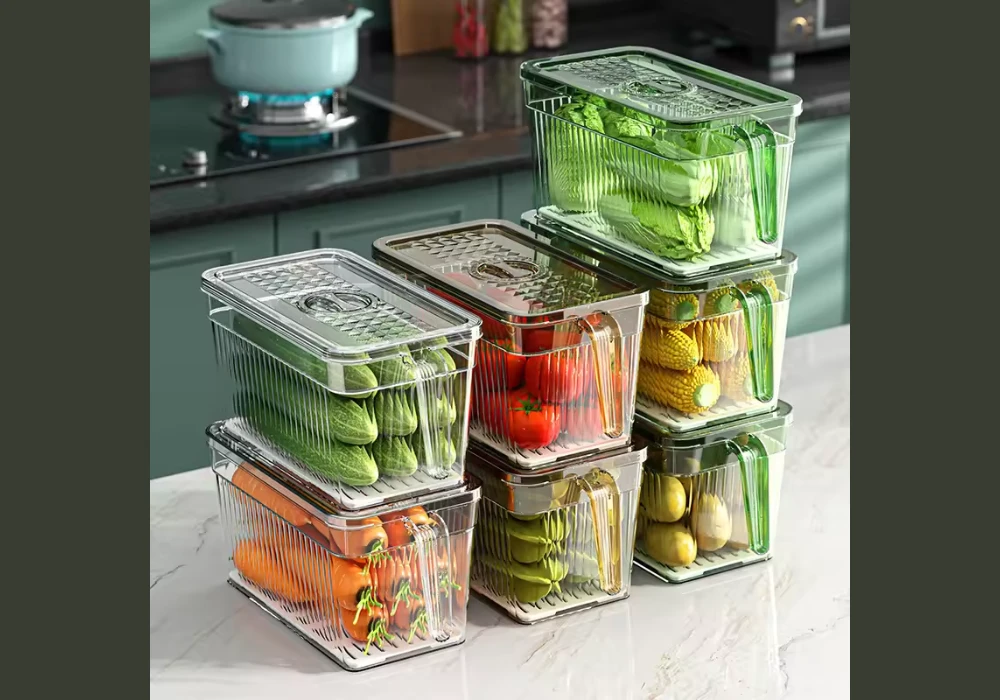
Clear storage containers make it easy to see what you have at a glance. I always switch to transparent jars because they remove the guesswork completely.
This method works best for dry goods like rice, flour, pasta, and snacks. When items stay visible, you avoid overbuying and reduce food waste naturally.
Uniform containers also create a neat and structured look in your pantry. Even a small pantry starts to feel organized when everything matches.
Make sure to choose airtight containers to keep food fresh longer. I prefer stackable designs because they save space and look clean.

2. Label Everything for Easy Identification
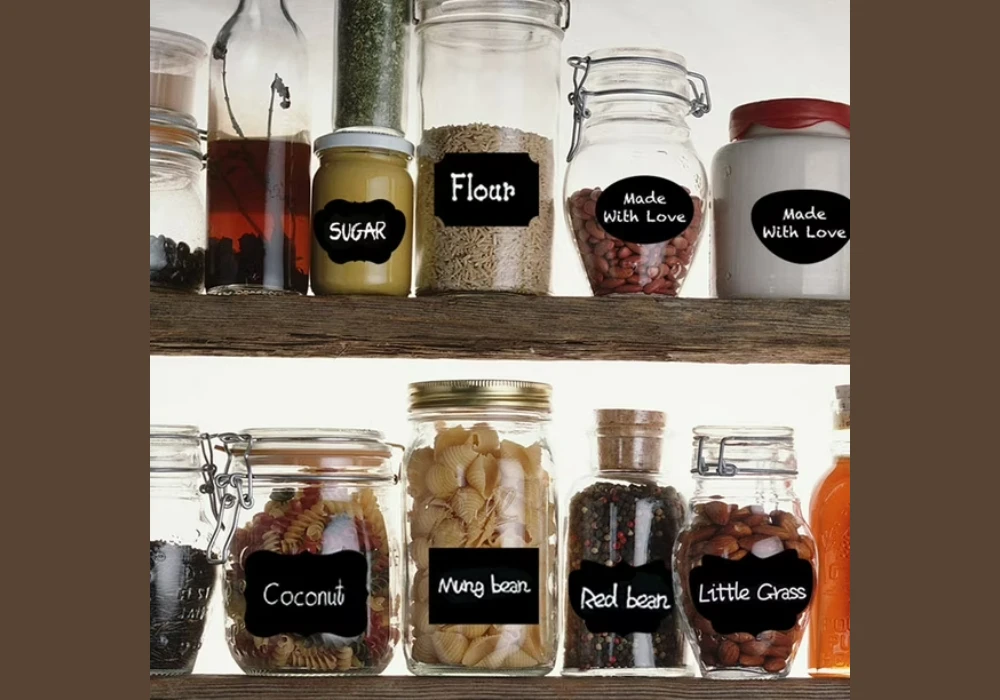
Labels help you quickly find items without opening every container. I noticed that labeling saves time, especially during busy cooking hours.
You can use simple stickers, printed labels, or even handwritten tags. The goal is clarity, not perfection, so keep it simple and readable.
Labeling also helps other family members maintain the system. When everyone knows where things belong, the pantry stays organized longer.
I recommend labeling both containers and shelves for better structure. This small step creates a big improvement in daily use.
3. Install Adjustable Shelving for Flexible Storage
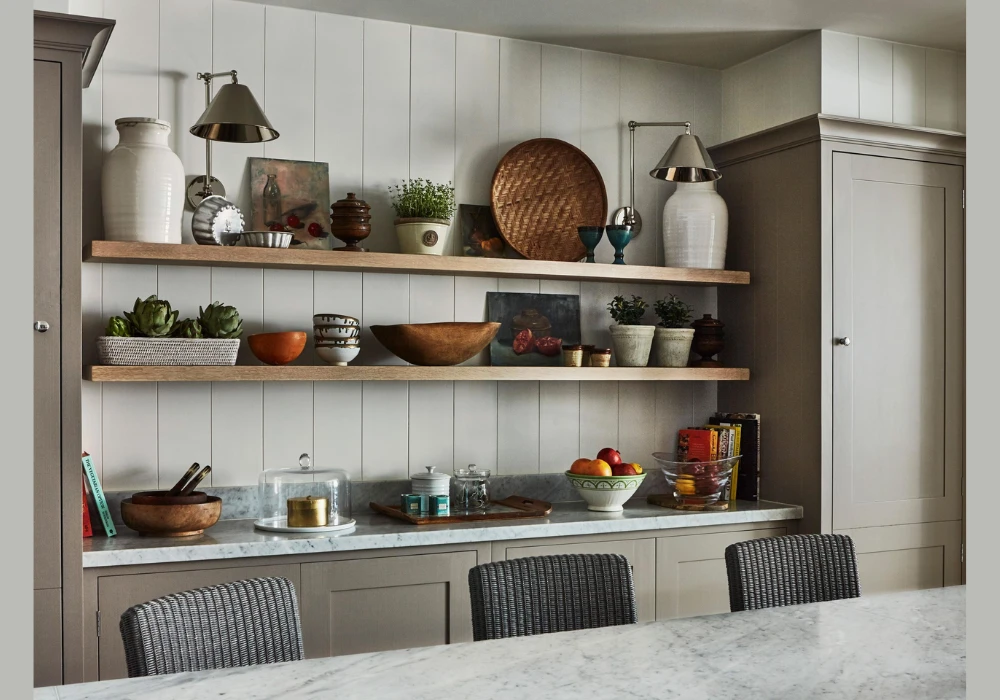
Adjustable shelves allow you to customize space based on your needs. I like this option because pantry items come in different sizes and shapes.
Fixed shelves often waste vertical space and create clutter. Adjustable systems let you rearrange the layout whenever your storage needs change.
This setup works especially well for tall items like cereal boxes or bottles. You can create sections that fit your pantry items perfectly.

If possible, choose sturdy shelves that can hold weight easily. A flexible pantry system makes long-term organization much easier.
4. Add Pull Out Drawers for Easy Access
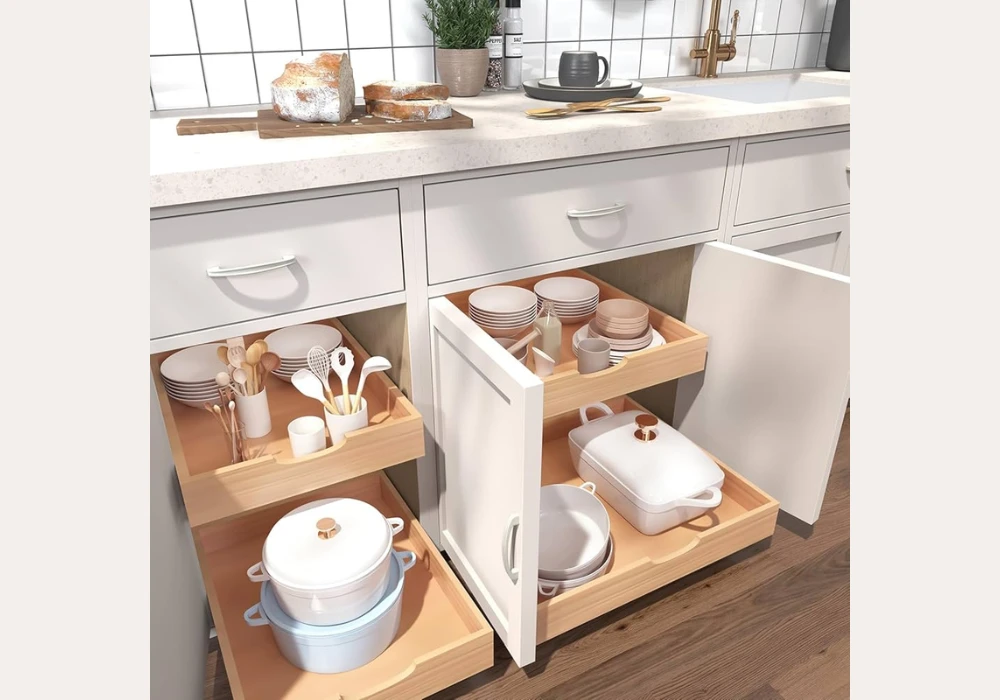
Pull-out drawers make it easier to reach items stored at the back. I always recommend this for deep pantry shelves where things get lost.
These drawers allow you to slide items forward instead of digging through clutter. This reduces frustration and keeps everything accessible.
They work well for snacks, canned goods, and small packets. You can group similar items together for better organization.
Even budget-friendly sliding baskets can work if custom drawers are not an option. The goal is to make every item easy to reach.
5. Use Lazy Susans for Corner Spaces
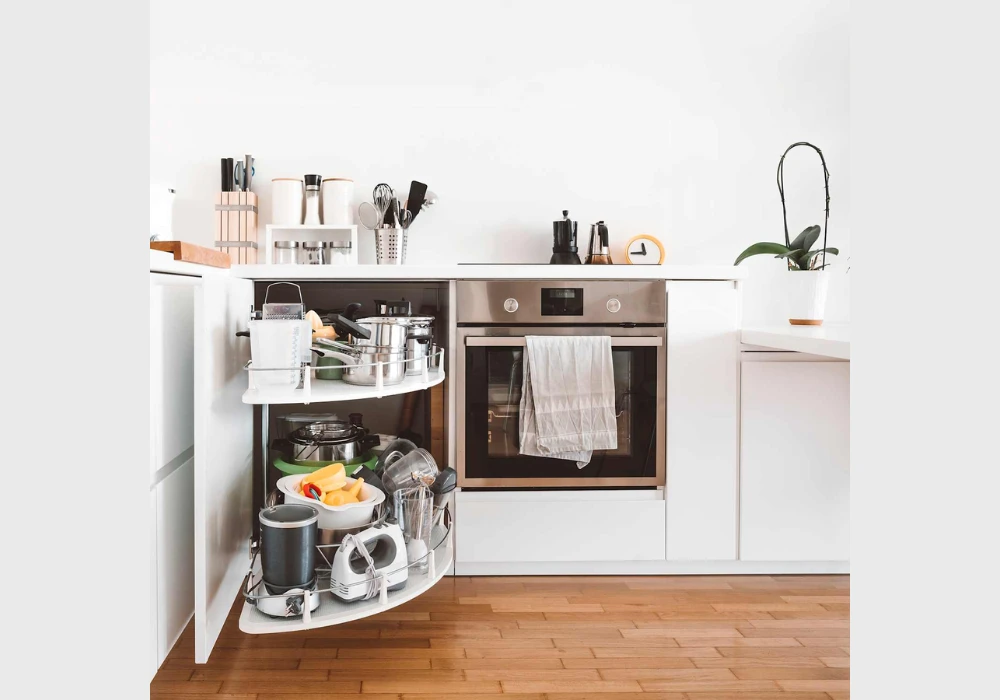
Lazy Susans help you use awkward corner spaces effectively. I find them perfect for storing sauces, spices, and small jars.
Instead of reaching deep into corners, you can simply rotate the tray. This keeps items visible and easy to access at all times.
They are especially useful in small pantries where space is limited. You can maximize storage without adding extra shelves.
Choose a sturdy and non slip design for better stability. This simple tool solves one of the most common pantry problems.

6. Group Similar Items Together for Better Flow
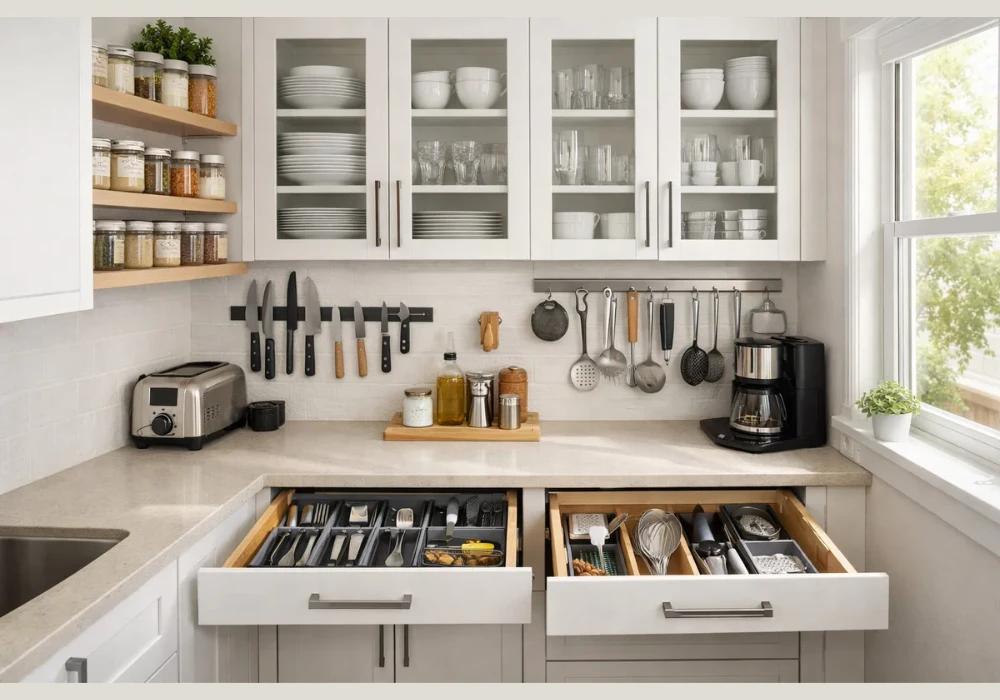
Grouping similar items creates a logical system that makes daily use easier. I always keep snacks, baking items, and breakfast foods in separate sections.
This method reduces the time spent searching for ingredients. When everything has a category, the pantry feels more structured and easy to manage.
You can use bins or baskets to define each category clearly. This also prevents items from mixing and creating clutter again.
I suggest reviewing categories every few weeks to keep things relevant. Your pantry should adapt to your changing habits and needs.
7. Use Door Storage to Maximize Space
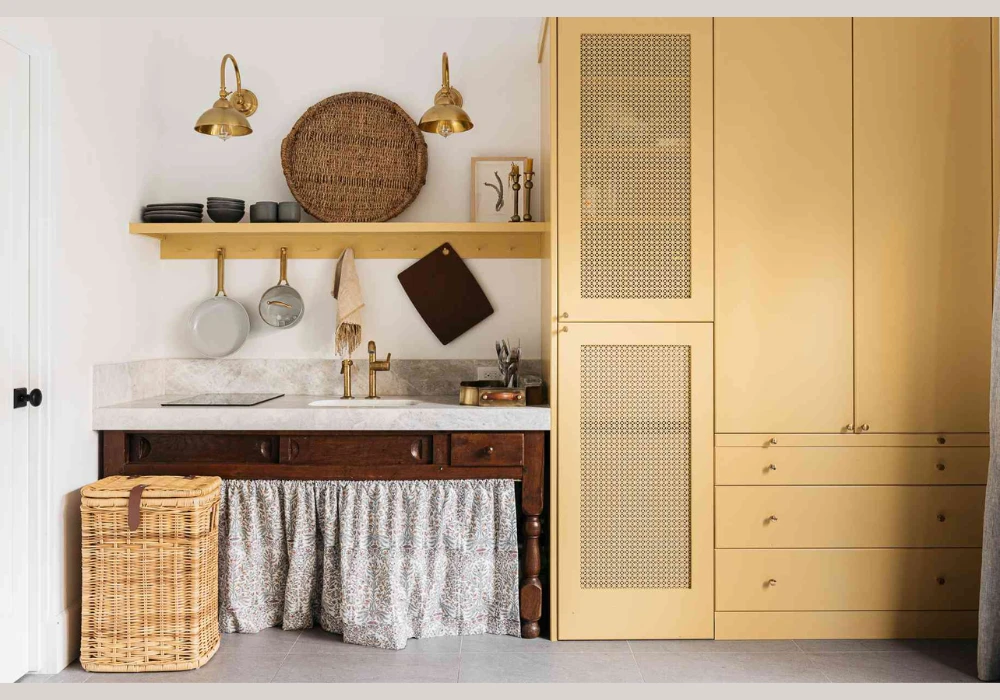
Pantry doors offer extra storage space that many people ignore. I started using door racks, and it instantly created more room inside my shelves.
This space works well for spices, small jars, and frequently used items. Keeping these items on the door makes them easy to grab quickly.

Over the door organizers are affordable and easy to install. You do not need any major changes to use this space effectively.
Make sure not to overload the door to avoid damage. A balanced setup keeps it functional and safe.
8. Add Stackable Bins to Utilize Vertical Space
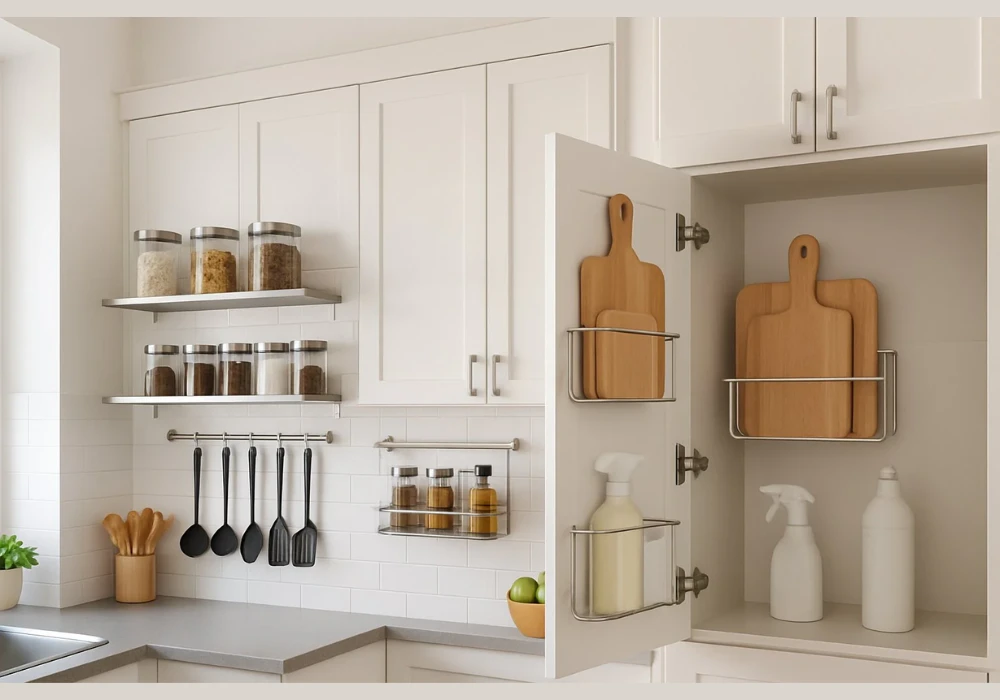
Stackable bins help you use vertical space efficiently in your pantry. I often use them for snacks, packets, and lightweight items.
Without stacking, a lot of vertical space goes unused. These bins allow you to store more without making the pantry feel crowded.
They also help keep small items contained in one place. This prevents clutter and makes cleaning much easier.
Choose bins that are easy to lift and move around. Flexibility is important for maintaining a practical system.
9. Store Frequently Used Items at Eye Level
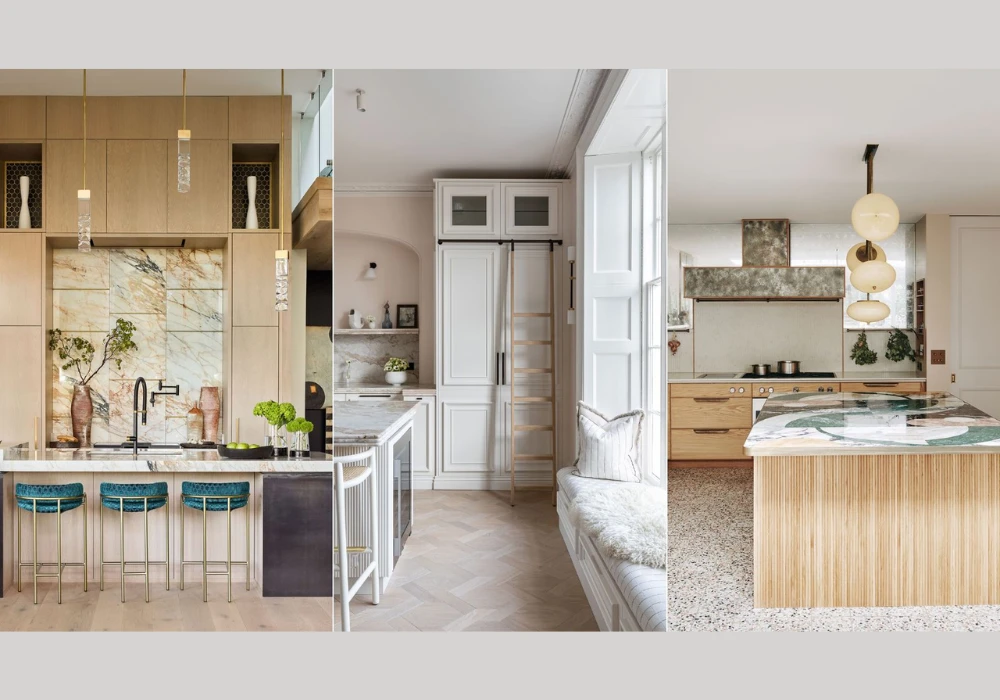
Placing frequently used items at eye level improves daily convenience. I always keep my everyday essentials within easy reach.
This reduces unnecessary bending or stretching while cooking. It also helps maintain a natural workflow in the kitchen.

Less-used items can go on higher or lower shelves. This way, your most important items stay accessible at all times.
Rearrange items based on your routine to keep things efficient. Your pantry should work for you, not the other way around.
10. Use Baskets for Bulk and Loose Items
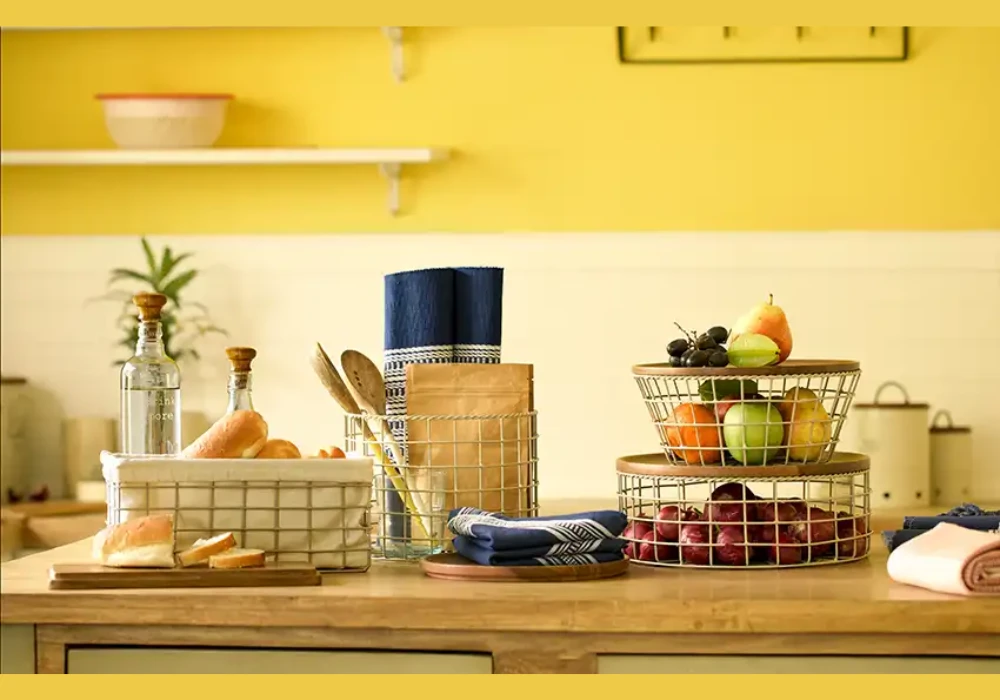
Baskets help manage bulky or loose pantry items effectively. I find them useful for onions, potatoes, and snack packets.
They keep items grouped together while allowing proper airflow. This is especially helpful for fresh produce stored in the pantry.
Baskets also make it easier to pull out and access multiple items at once. You can quickly grab what you need without creating a mess.
Choose durable and easy to clean baskets for long term use. A simple basket system can keep your pantry neat and functional.
11. Smart Storage Ideas for Maximum Efficiency
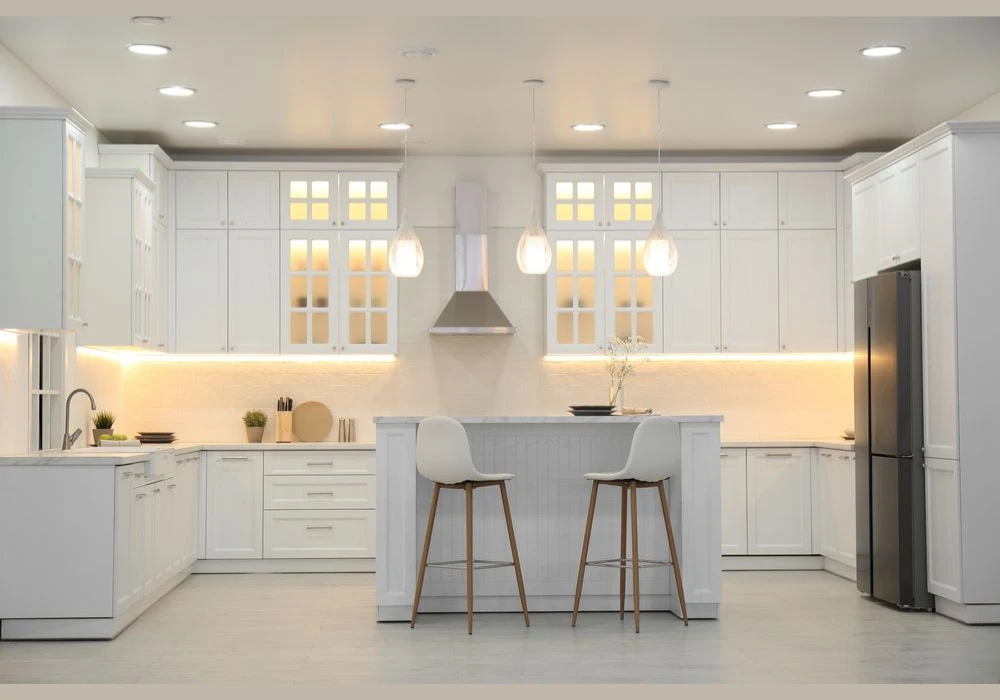
Vertical storage solutions help you use every inch of your kitchen space wisely. Tall cabinets and open shelves create both function and a modern visual appeal.

Pull out drawers and hidden organizers make daily tasks smoother and quicker. They reduce clutter and keep essentials easily accessible at all times.
Corner cabinets with rotating trays turn unused areas into practical storage zones. This clever approach ensures no space is wasted in compact kitchens.
Wall mounted racks and magnetic strips keep tools within reach while saving space. They add a stylish touch while improving overall kitchen organization.
12. Lighting Techniques to Enhance Kitchen Ambience
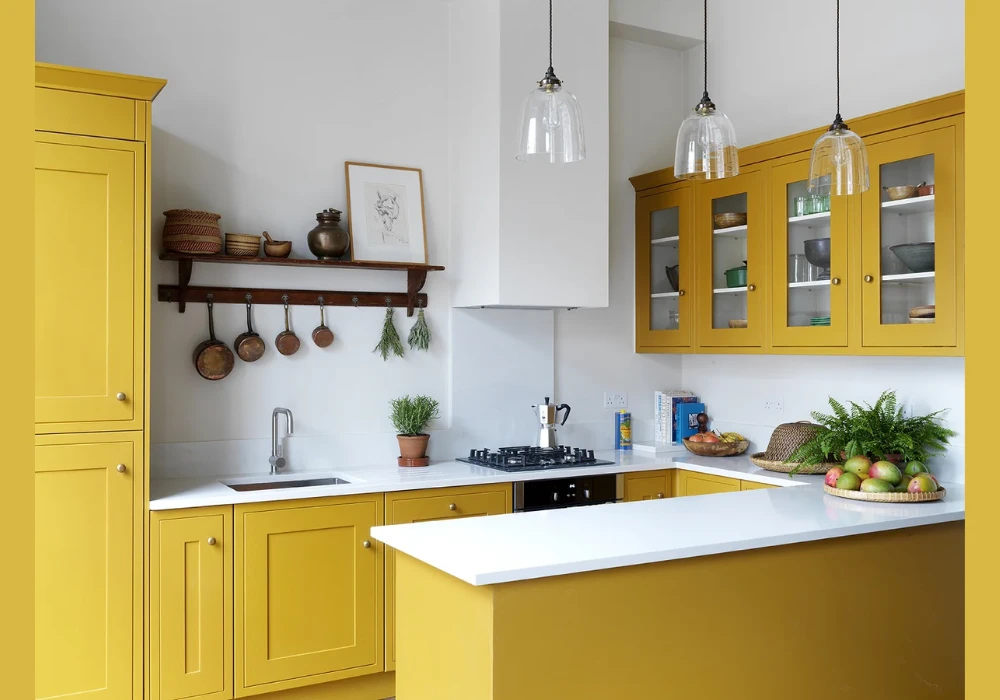
Layered lighting creates a balanced and inviting kitchen environment. Combining task, ambient, and accent lighting improves both function and mood.
Under cabinet lights brighten workspaces and make cooking safer and easier. They also highlight countertops for a clean and polished look.
Pendant lights above islands add elegance and a focal point to the kitchen. They bring both style and focused illumination to key areas.
Natural light from windows enhances colors and makes the space feel open. It creates a fresh atmosphere that boosts comfort and energy.
13. Choosing the Right Materials for Durability
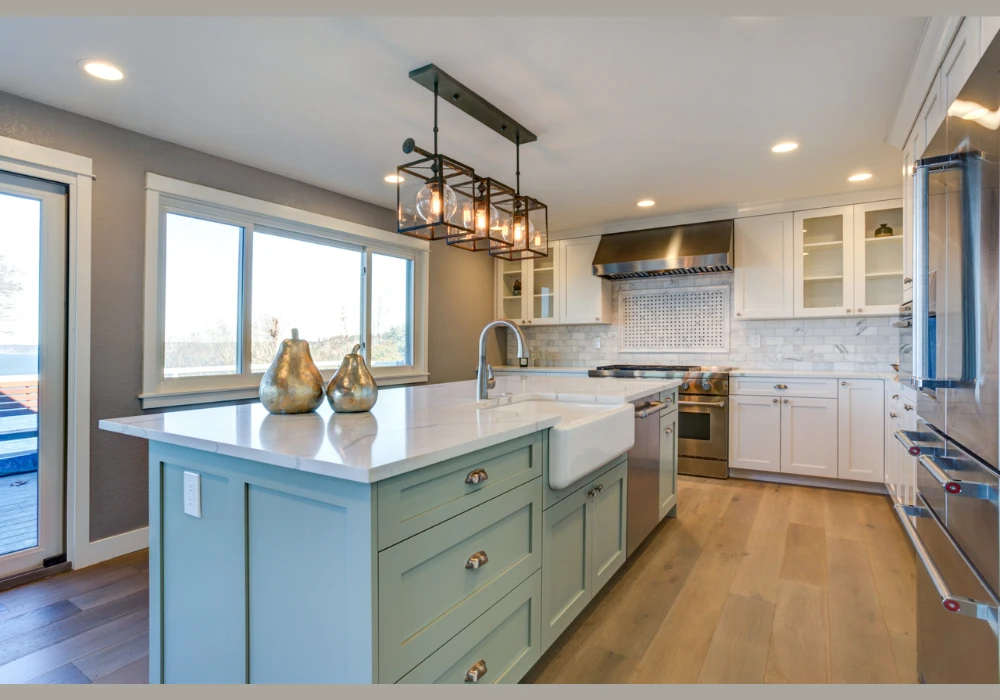
Durable materials ensure your kitchen stays functional for years to come. Quartz and granite countertops resist stains and scratches effectively.

Solid wood cabinets offer strength and a timeless aesthetic appeal. They can be refinished easily to match changing design trends.
Ceramic and porcelain tiles are ideal for flooring due to their resilience. They are easy to clean and maintain in busy kitchen environments.
Stainless steel appliances provide a sleek and modern finish. They are long lasting and resistant to heat and corrosion.
Kitchen Design Comparison Table
| Feature | Modern Kitchen | Traditional Kitchen |
|---|---|---|
| Design Style | Sleek, minimal, clean lines | Detailed, classic, decorative |
| Colors | Neutral tones, monochrome | Warm tones, rich colors |
| Materials | Glass, metal, engineered surfaces | Wood, stone, natural materials |
| Storage | Hidden, smart, space saving | Visible cabinetry, more decorative |
| Lighting | LED, recessed, pendant lights | Chandeliers, warm ambient lighting |
| Maintenance | Easy to clean, low maintenance | Requires more care and upkeep |
| Overall Feel | Modern, open, and airy | Cozy, elegant, and timele |
Budget Friendly Kitchen Design Tips
Planning a stylish kitchen does not always require a large budget. Smart choices and prioritizing essentials can deliver great results affordably.
Refacing cabinets instead of replacing them saves both money and effort. It refreshes the look while maintaining the existing structure.
Choosing cost effective materials like laminate and vinyl reduces expenses. These options still offer durability and attractive finishes.
DIY decor elements add personality without increasing costs significantly. Simple upgrades can make your kitchen feel new and inviting.

Modern vs Traditional Kitchen Design Comparison
Both modern and traditional kitchens have unique strengths and appeal. Choosing between them depends on your lifestyle and aesthetic preference.
Modern kitchens focus on simplicity, clean lines, and minimal clutter. Traditional kitchens highlight warmth, detail, and classic charm.
Material selection also differs between the two styles significantly. Modern uses metals and glass, while traditional favors wood and stone.
Understanding these differences helps you design a kitchen that suits your needs. It ensures a balance between style, comfort, and functionality.
Conclusion
A well designed kitchen blends functionality, comfort, and modern style in a balanced way. By focusing on smart storage, proper lighting, and durable materials, you create a space that truly works for your daily life.
Every small detail, from layout to finishes, contributes to long term efficiency and visual appeal.
With thoughtful planning, your kitchen can become both a practical workspace and a beautiful centerpiece of your home.
FAQs
The layout is the most important, as it affects workflow and overall usability.
A functional layout ensures smooth movement between cooking, cleaning, and storage areas.

Use light colors, proper lighting, and smart storage solutions. Minimizing clutter and adding reflective surfaces also enhances openness.
Quartz countertops, solid wood cabinets, and ceramic tiles are highly durable. These materials offer both strength and easy maintenance over time.
A mix of ambient, task, and accent lighting works best. This combination improves visibility while creating a warm atmosphere.
Use pull out drawers, wall racks, and compartment organizers. Regular decluttering helps maintain a neat and efficient space.