
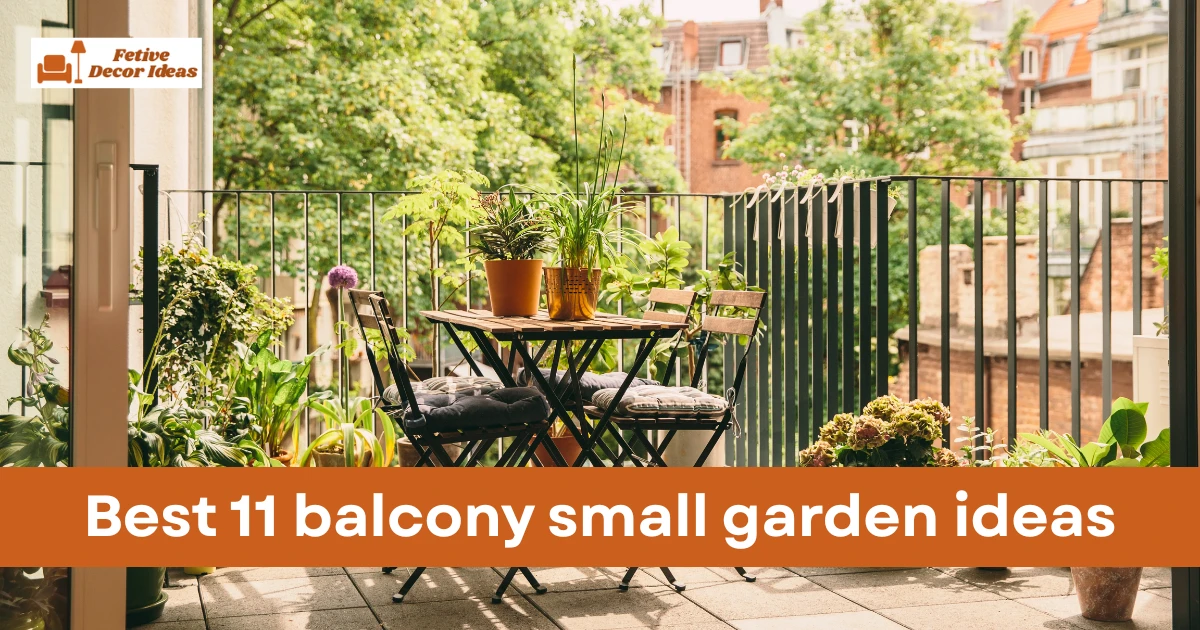

I know the struggle of staring at a tiny concrete slab and wishing it were a lush paradise. Most of us treat our balconies like a graveyard for old boxes or a place to dry socks.
It is time to stop neglecting that square footage and start growing something besides dust bunnies.
You can actually turn that cramped space into a green retreat without spending a fortune.
I believe your balcony should feel like an extra room rather than an outdoor storage unit. Transforming a small area requires a bit of clever thinking and some vertical strategy.
Balcony Small Garden Ideas to Refresh Your Home
I believe your balcony should feel like an extra room rather than an outdoor storage unit. Transforming a small area requires a bit of clever thinking and some vertical strategy.
You don’t need a massive backyard to enjoy the feeling of dirt under your fingernails. Let’s look at some practical ways I have found to make your small garden thrive.
I truly believe that even the smallest outdoor space can become the soul of a home. It is not just about the plants; it is about creating a tiny escape where you can breathe and enjoy a bit of quiet.
You don’t need a green thumb or a huge budget to make these ideas work for you. Start with one vertical rack or a single railing box and watch how quickly your mood improves when you step outside.

1. Vertical Wooden Pallet Planters
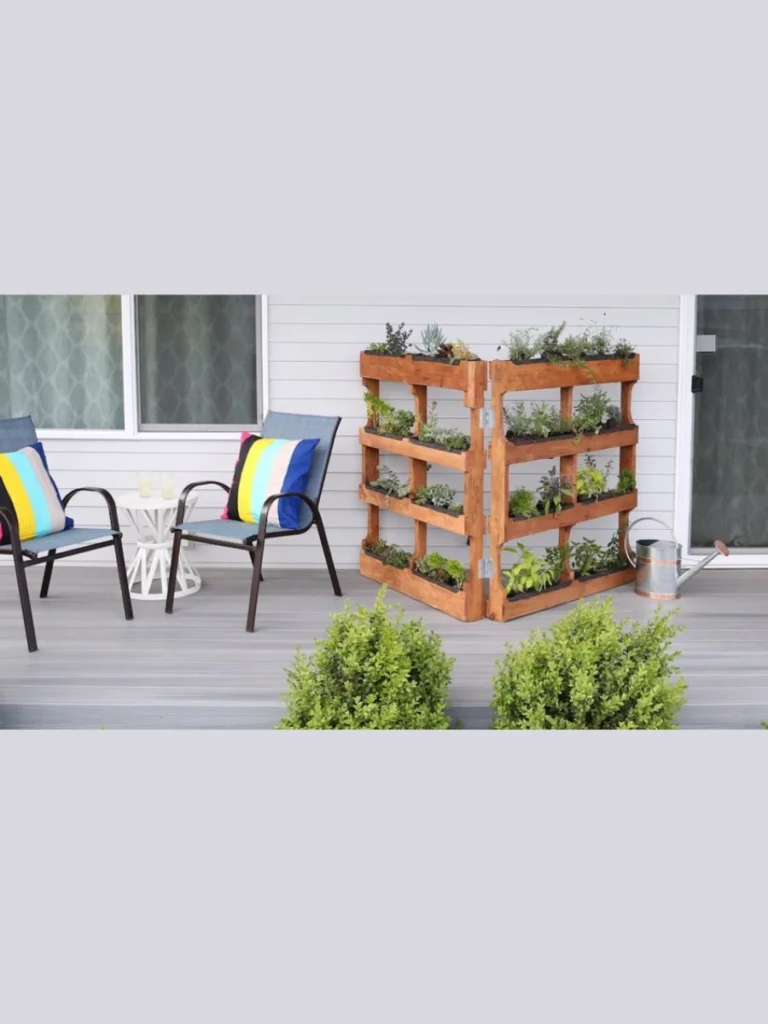
I find that using a vertical pallet is the smartest way to save your precious floor space. You simply lean a treated pallet against the wall and fill the slots with landscape fabric.
This setup allows you to stack multiple rows of plants without taking up more than a few inches. It turns a boring brick wall into a living tapestry that looks professional and organized.
You can grow anything from trailing ivy to small flowering annuals in these wooden pockets. I suggest using lightweight potting soil so the structure does not become too heavy for your railing.
Most people ignore walls, but I see them as prime real estate for your new garden. This method keeps your plants at eye level and makes watering much easier on your back.
2. Hanging Railing Planter Boxes
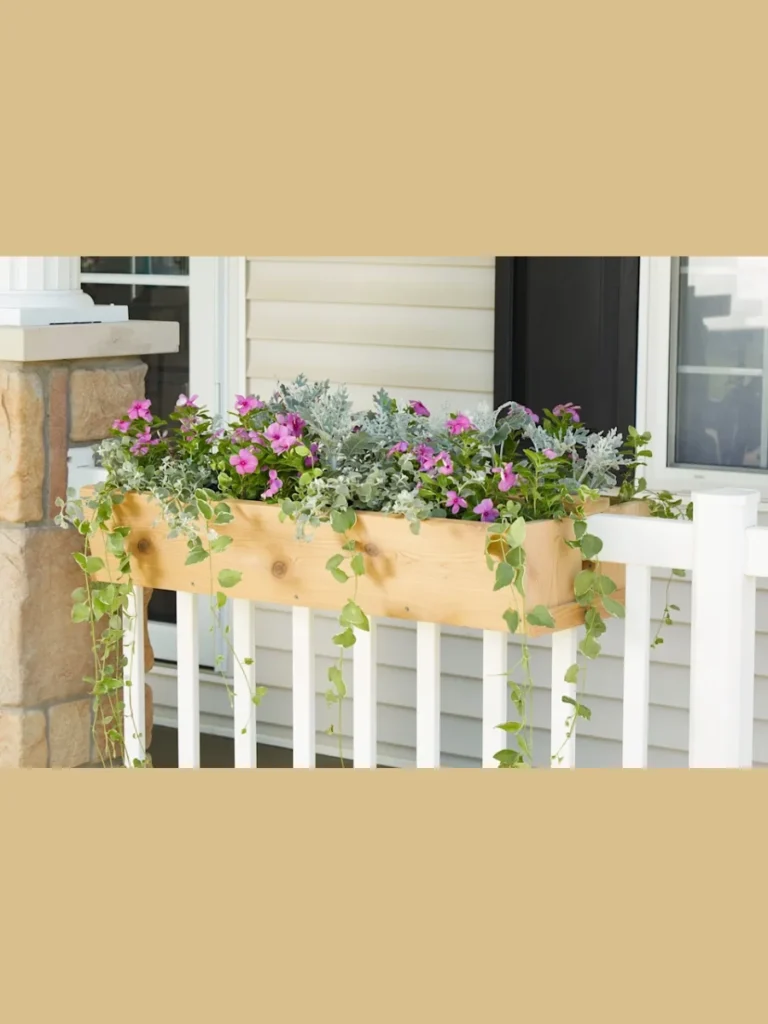
Railing boxes are the classic choice for anyone who wants to maximize every single inch. These containers hook directly onto your balcony fence and face inward or outward depending on your preference.
I love these because they provide a burst of color right at the edge of your space. They keep the floor clear for a small chair so you can actually sit outside.
You should choose high-quality plastic or metal hooks to ensure the wind doesn’t send your flowers flying. I usually plant cascading petunias here because they drape beautifully over the sides of the pots.

Make sure your railing can support the weight of wet soil before you hang ten of these. It is a simple upgrade that instantly makes your apartment look more inviting from the street.
3. Tiered Step Ladder Displays
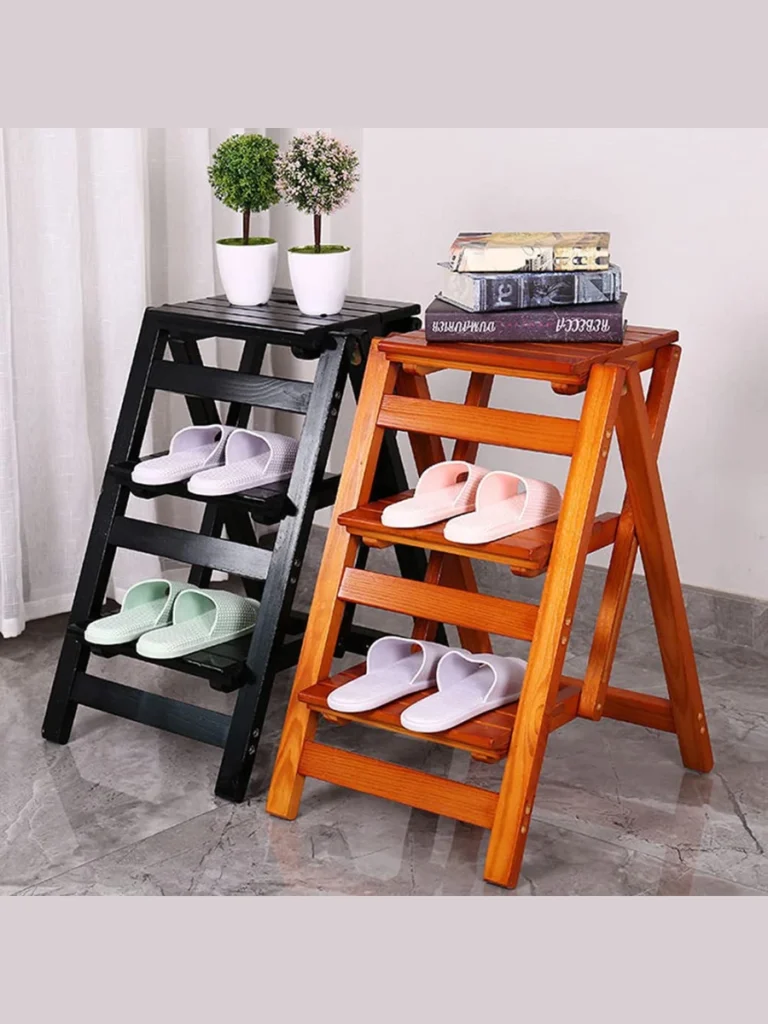
I often use an old wooden step ladder to create different levels for my potted plants. This creates a stadium seating effect where every plant gets its fair share of the afternoon sun.
It adds a rustic charm to the balcony while keeping your collection tidy and easy to manage. You can place larger pots at the bottom and smaller succulents on the top rungs.
This setup is perfect if you like to rearrange your garden frequently based on the season. I find it much more visually interesting than just lining up pots in a straight row.
If your ladder is looking a bit rough, a quick coat of waterproof paint will fix it. It is an affordable way to gain vertical height without drilling holes into your building walls.
4. Hanging Macrame Plant Hangers
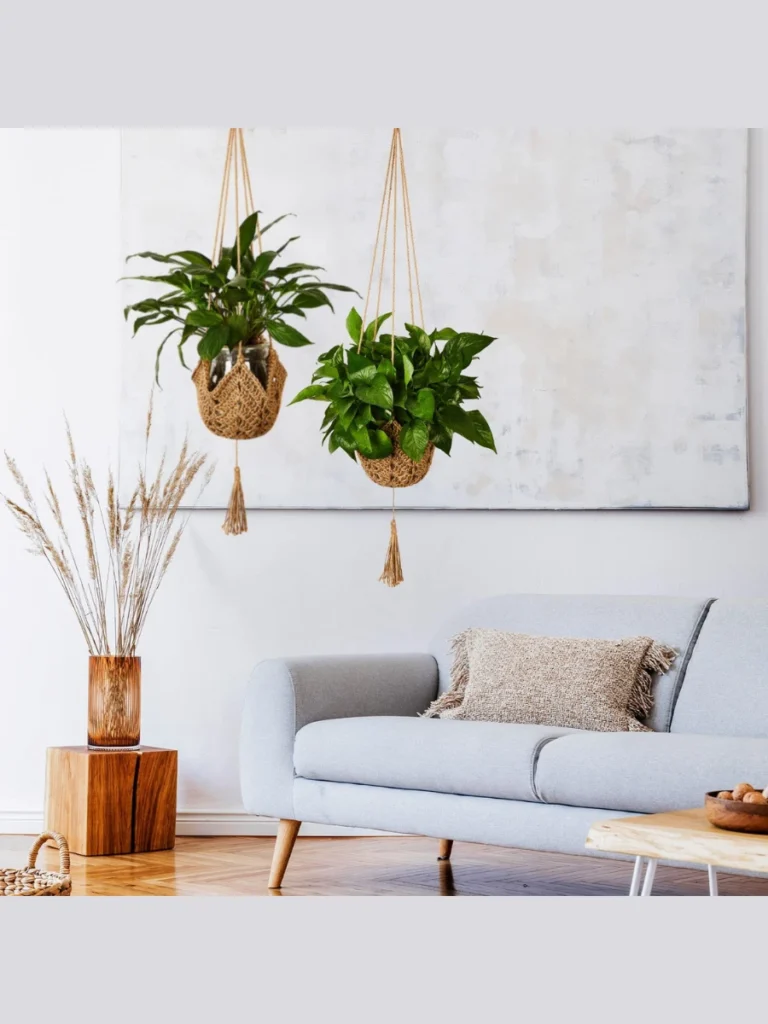
I think hanging plants from the ceiling or overhanging beams is a total life saver for tiny balconies. Using macrame holders adds a soft texture that contrasts well with cold metal railings and concrete.

It draws the eye upward and makes the entire balcony feel much larger than it actually is. You can hang them at different heights to create a lush canopy of green leaves.
I recommend using plants like Spider Plants or Pothos because they handle the breeze very well. Just make sure your ceiling hooks are sturdy enough to handle the weight of a watered pot.
This keeps your plants away from pets or tripping hazards that usually clutter a small floor. It is a bohemian look that feels relaxed and helps you disconnect from the city noise.
5. Wall Mounted Succulent Frames
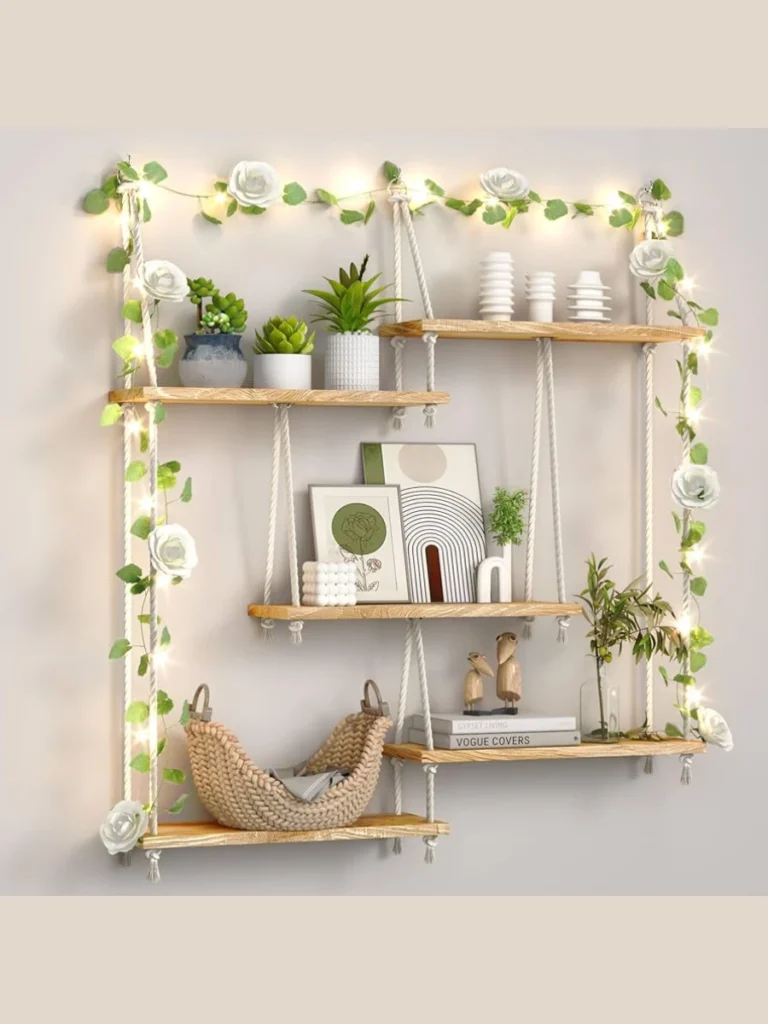
I enjoy creating living art by mounting shallow wooden frames filled with various colorful succulents. These frames act like a picture on your wall but use real plants instead of paint.
Succulents are ideal for this because they have shallow roots and require very little water to survive. You can create intricate patterns using different shapes and shades of green and purple.
This is a great option if your balcony gets a lot of direct sunlight and heat. I find that these frames stay looking great even if you forget to water them for a week.

It keeps the greenery off the ground and away from where you need to walk. It is a sophisticated way to add nature to your home without the mess of large pots.
6. Corner Shelving Units
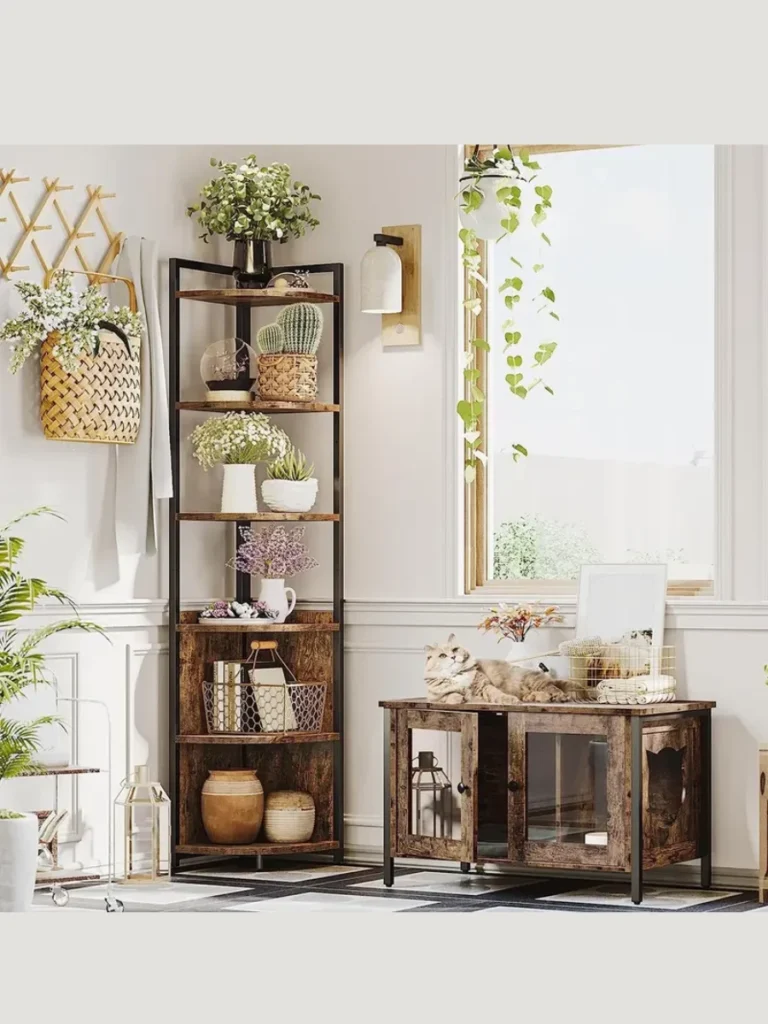
I suggest utilizing the corners of your balcony because they are usually dead space that collects trash. A weather-resistant corner shelf can hold a surprising amount of small pots and garden tools.
It tucks everything neatly away and provides a structured look to your outdoor garden design. I use metal shelves to ensure they can withstand rain and sun without rusting or rotting.
You can dedicate one shelf to herbs and another to decorative flowers to keep things organized. This approach leaves the center of your balcony open for movement or a small table.
Keeping your garden in the corner makes the space feel less cluttered and more intentional. It is a practical solution for anyone living in a high rise with very limited square footage.
7. Integrated Bench Planters
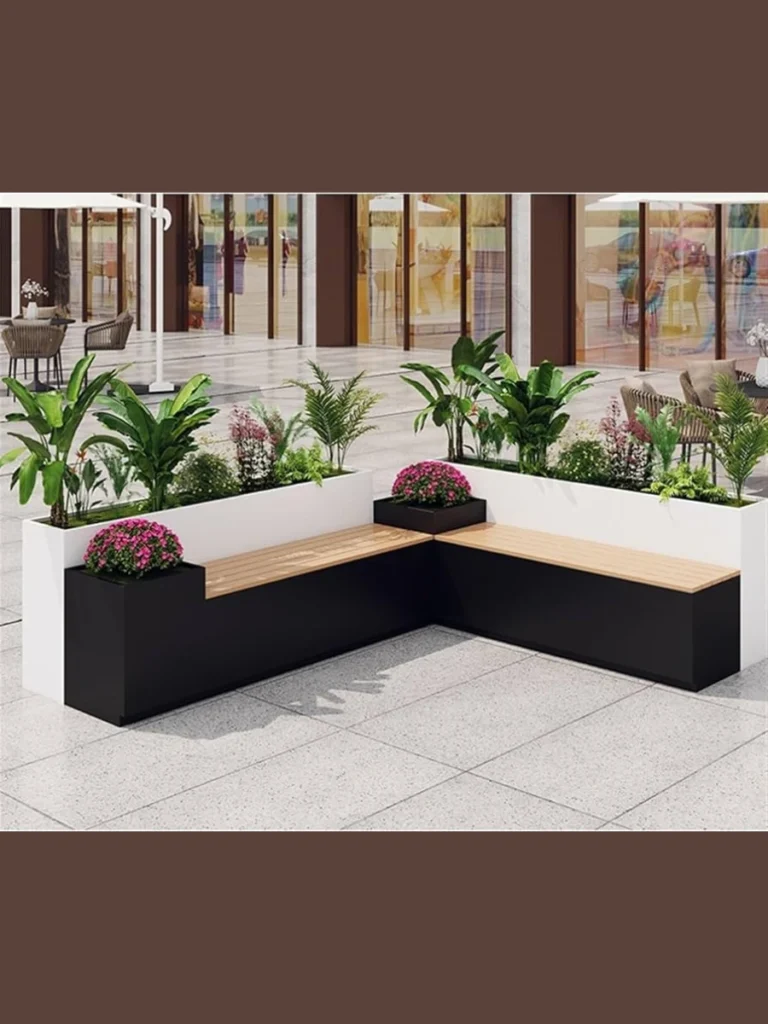
I find that combining your seating with your garden is the most efficient way to use a tight corner. A wooden bench with built in planters at each end provides a place to sit and grow greenery simultaneously.
This setup eliminates the need for extra chairs that usually take up all your walking room. It creates a cozy nook where you are literally surrounded by your favorite aromatic plants and flowers.
I suggest using cedar or treated pine to ensure the bench survives the outdoor elements for years. You can add a couple of outdoor cushions to make the space feel like a high-end lounge.
It makes the balcony feel like a planned architectural space rather than a random collection of pots. I love how it anchors the area while providing a deep base for larger root systems.
8. Trellis Systems for Climbing Vines
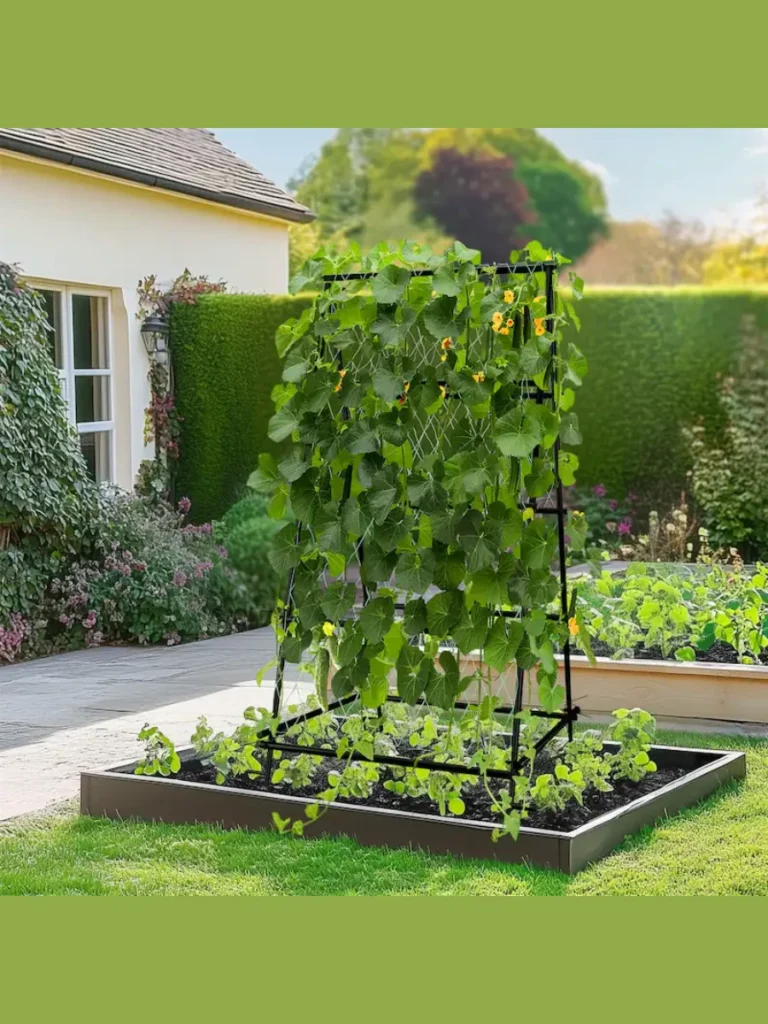
I think a simple wooden or metal trellis is the best tool for creating a natural privacy screen. You can plant fast growing climbers like Jasmine or Clematis to cover the grid in a single season.
This vertical wall of leaves blocks the view from nosy neighbors without feeling like a heavy fence. It provides a cooling effect during the summer by shading the concrete floor from direct sun.

You only need a narrow rectangular pot at the base to support a massive amount of upward growth. I find that the scent of blooming Jasmine in the evening is better than any candle.
It gives your balcony a secret garden vibe that feels completely detached from the urban grind. This is my go to recommendation for anyone who feels too exposed on their outdoor patio.
9. Hydroponic Tower Gardens
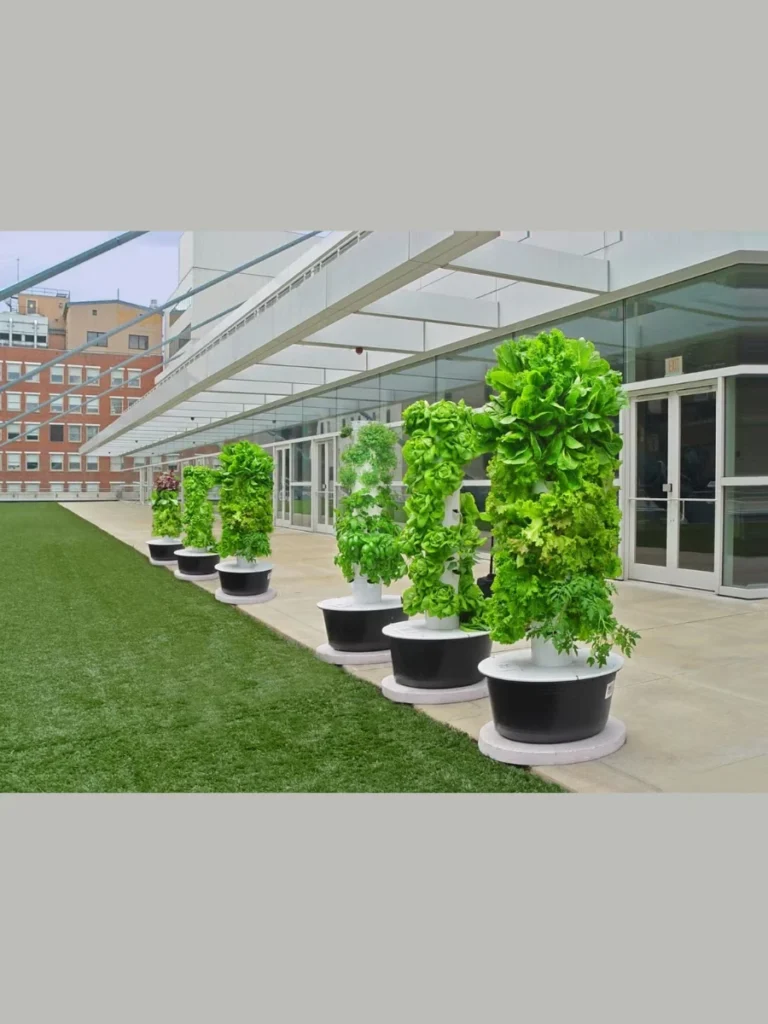
I have experimented with vertical hydroponic towers and the results for small spaces are honestly impressive. These systems use a recirculating water pump to feed your plants without needing a single scoop of soil.
You can grow up to twenty different herbs or vegetables in a footprint no larger than a dinner plate. It is a clean and modern way to produce your own food right outside your door.
I appreciate that these systems are almost impossible to overwater since the timing is all automated for you. It looks like a futuristic piece of art that happens to provide you with fresh salad.
While the initial cost is higher than a clay pot, the growth rate is much faster. It is a conversation starter that proves you don’t need a farm to be a successful gardener.
10. Portable Rolling Garden Carts
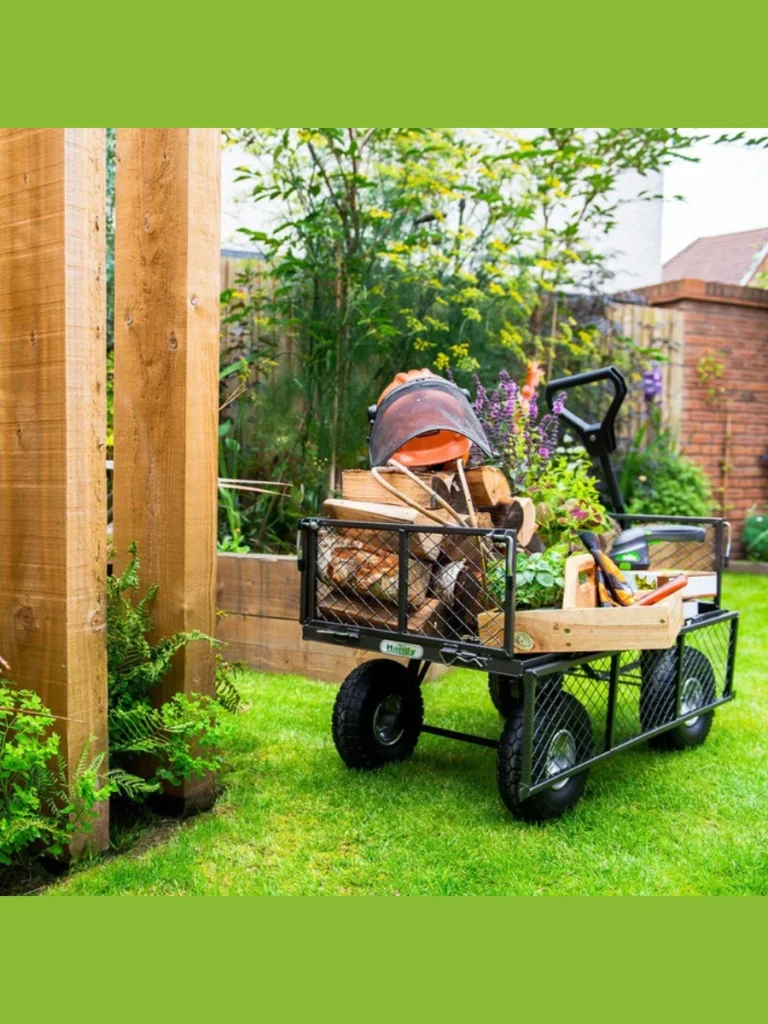
I often recommend using a multi-tiered rolling cart if your balcony receives sun in different spots throughout the day. You can easily wheel your entire garden toward the light or under cover during a storm.
The metal mesh shelves allow for great drainage so your plants don’t sit in stagnant water after it rains. I use the bottom shelf for heavy bags of soil and the top for delicate herbs.
It keeps everything mobile which is perfect if you also use your balcony for DIY projects or exercise. When you need more floor space, you simply roll the garden into the corner out of the way.
This flexibility is a huge advantage for people who live in apartments with shifting shadows and wind. It makes the hobby feel less like a permanent chore and more like a fun, adaptable project.
11. Over the Door Organizer Pockets
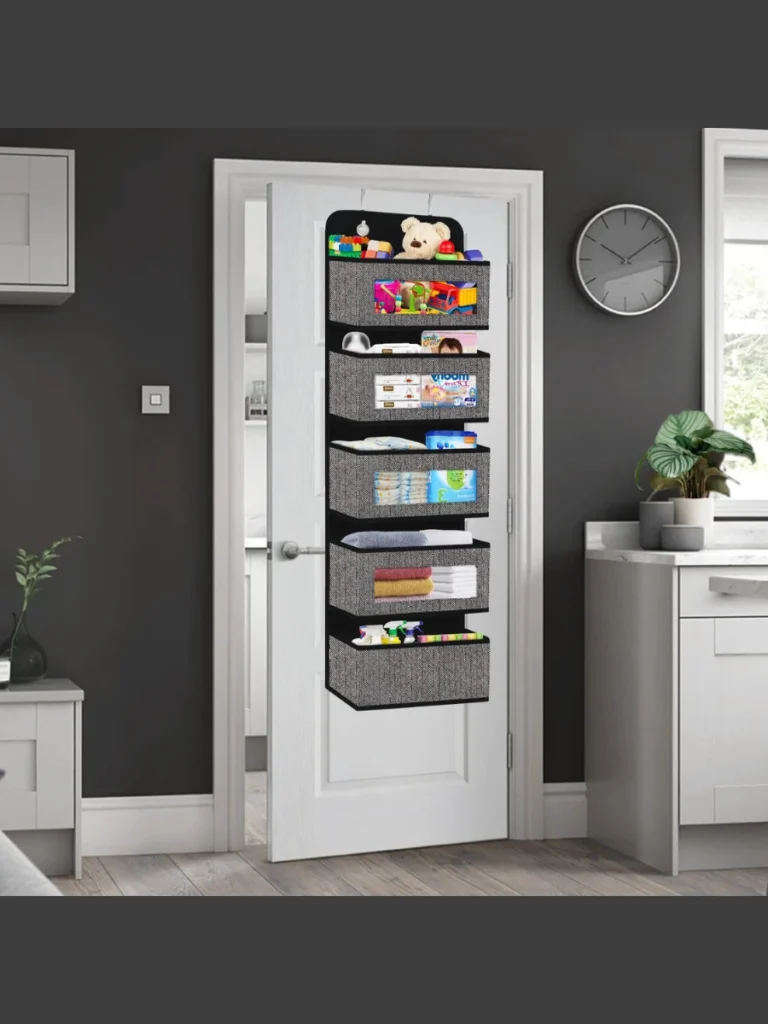
I know it sounds a bit strange, but a clear shoe organizer is actually a genius vertical garden hack. You can hang it over the back of your balcony door or along a sturdy section of the railing.
Each pocket acts as an individual planter for small succulents, herbs, or even colorful pansies and petunias. I find that the fabric pockets allow the roots to breathe much better than cheap plastic pots.
It is probably the most affordable way to grow a dozen different plants without using any floor space. You just need to be careful with watering to ensure the bottom pockets don’t get too soggy.
I think this is a brilliant “entry level” garden for anyone who is still afraid of killing their plants. It is low risk, high reward, and surprisingly stylish once the foliage starts to spill over.
Maintaining Your Compact Green Haven
I have learned that the biggest mistake people make is ignoring the unique environment of a high-rise balcony. The wind can dry out a small pot in hours, so checking soil moisture daily is a non negotiable task.
You should also look for lightweight containers made of resin or fiberglass to keep the total load low. I always suggest using saucers under your pots to prevent muddy water from dripping on your neighbors below.
Keeping your plants pruned is also vital so they don’t become a tangled mess in such a small area. A little bit of weekly maintenance goes a long way in keeping your urban oasis looking professional.
Essential Gear for Small Balcony Gardens
| Item | Purpose | Importance |
| Long Neck Watering Can | Reaching high hanging plants without a mess. | High |
| Lightweight Potting Mix | Reducing weight on the balcony structure. | Critical |
| Collapsible Table | Providing a workspace that disappears when done. | Medium |
| Battery Powered Lights | Making the garden usable after the sun goes down. | High |
Tips for Managing Your Small Balcony Garden
I have found that the secret to a thriving balcony garden lies in the small details you might overlook. You need to consider how the wind and sun interact with your specific floor level before buying plants.
It is smart to group plants with similar water needs together to make your morning routine much faster. I always suggest starting with just three or four pots so you don’t feel overwhelmed by the maintenance.
- Check Your Weight Limits: Always verify how much weight your balcony can safely hold before adding heavy stone pots.
- Use Self-Watering Pots: These are absolute life savers if you tend to travel or have a very busy work schedule.
- Watch the Drainage: Ensure your pots have holes so roots don’t rot, but use trays to keep the floor clean.
- Rotation is Key: Turn your pots every week so every side of the plant gets a turn in the sunlight.
- Choose Dwarf Varieties: Look for plants specifically labeled as “compact” or “patio” versions to ensure they stay small.
Creative Solutions for Common Balcony Problems
I know that city living comes with challenges like lack of privacy or noisy street traffic below your unit. You can use tall bamboo or thick leafy shrubs to create a natural sound barrier that actually works.
If your balcony is extremely shady, don’t fight nature by trying to grow sun-loving roses or tomatoes. I have had great success with hostas and ferns that thrive in the dark corners of urban buildings.
| Problem | Best Solution | Result |
|---|---|---|
| High Winds | Heavy Resin Pots | Prevents tipping |
| Intense Sun | Shade Cloth | Protects leaves |
| No Privacy | Tall Grasses | Blocks views |
| Pests | Neem Oil | Natural control |
Conclusion
I hope these ideas help you see that your small balcony has more potential than just being a spot for the AC unit. It takes very little effort to turn a grey space into a vibrant garden that improves your mood every day.
You don’t need to be a professional landscaper to create something beautiful and functional in a small area. Just take it one pot at a time and don’t be afraid to experiment with different layouts and plant types.
I personally find that spending ten minutes a day tending to my balcony plants is the best way to destress. Your home deserves a little bit of nature, even if you are living twenty stories up in the air.
FAQs
I recommend choosing plants with flexible stems like ornamental grasses or low growing succulents that won’t snap in a breeze.
Small pots dry out much faster than garden soil, especially when exposed to the wind and sun on a high floor.
You can definitely grow a variety of edibles like cherry tomatoes, lettuce, and peppers in compact containers or vertical towers.
I always advise checking with your building management or a structural engineer if you plan on adding very large, heavy planters
I keep my garden clean by removing dead leaves and avoiding overwatering which can attract gnats and other pests