
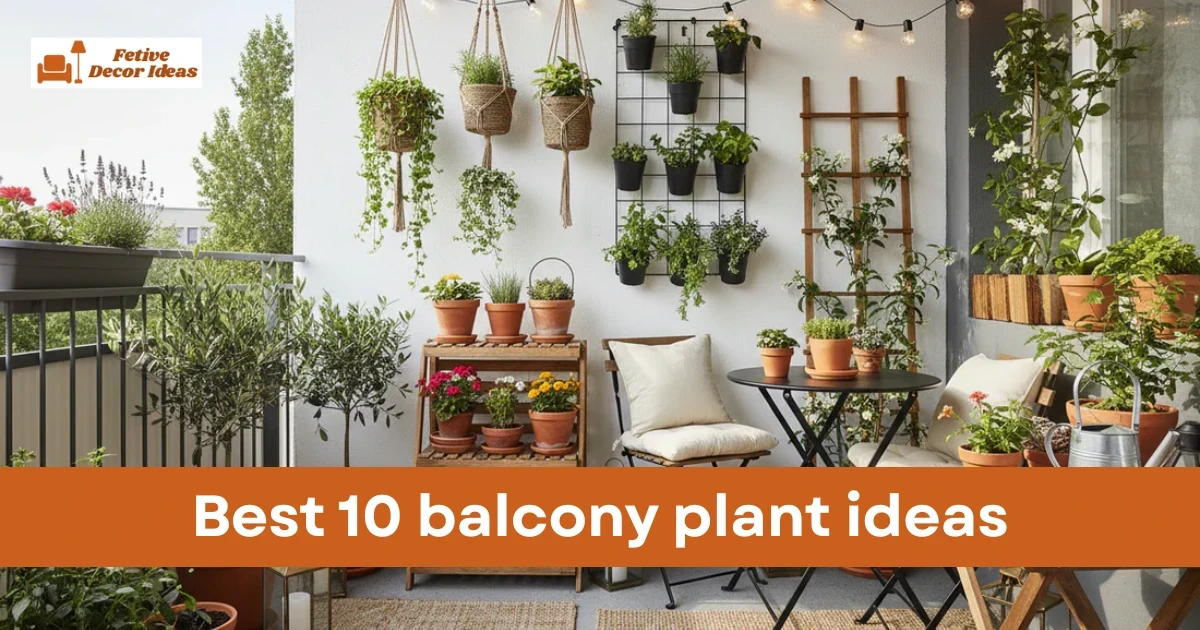

I know the struggle of staring at a cold, concrete balcony and wishing it looked like a botanical garden.
Most of us just end up with a dead cactus and a plastic chair, but it doesn’t have to stay that way.
Adding the right greenery transforms that tiny ledge into a place where you actually want to spend your mornings.
I have tested plenty of options to see which ones survive the wind and which ones just give up immediately.
Why You Need The Best Balcony Plants For Your Small Space
Selecting the right plants helps you hide that nosy neighbor who always watches you drink your coffee.

It also brings a bit of nature to your high-rise life without requiring a massive backyard or a riding mower.
I found that choosing specific species makes your balcony feel larger and much more inviting for guests.

You just need to match your plant picks to the amount of sun your building actually gets during the day.
1. Low Maintenance Snake Plants For Shady Balconies
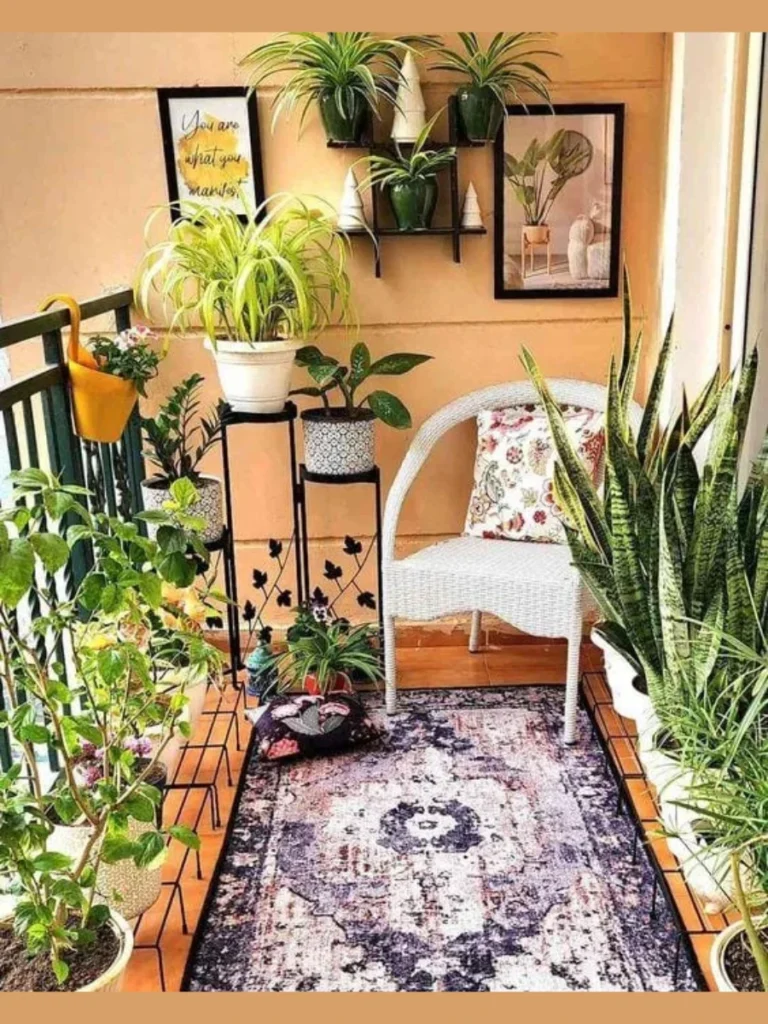
I love snake plants because they are basically impossible to kill, even if you are the type of person who forgets to water everything. They stand tall and stiff, providing a modern architectural look that fits perfectly in tight corners or narrow balcony walkways.

These plants handle low light like absolute champions, making them ideal if your balcony is tucked under a shadow most of the afternoon. You won’t have to worry about them drooping or complaining if the weather gets a little bit dry or neglected.
The vertical growth habit means they take up very little floor space while still adding significant height to your outdoor decor. I usually suggest grouping three of them in different sized pots to create a clean, layered look that feels very professional.
Just make sure you don’t overwater them, or they will start to rot and smell like a swamp, which is not the vibe we want. They prefer to dry out completely between your watering sessions, giving you more time to actually sit back and enjoy the view.
2. Vibrant Petunias For Colorful Railing Planters
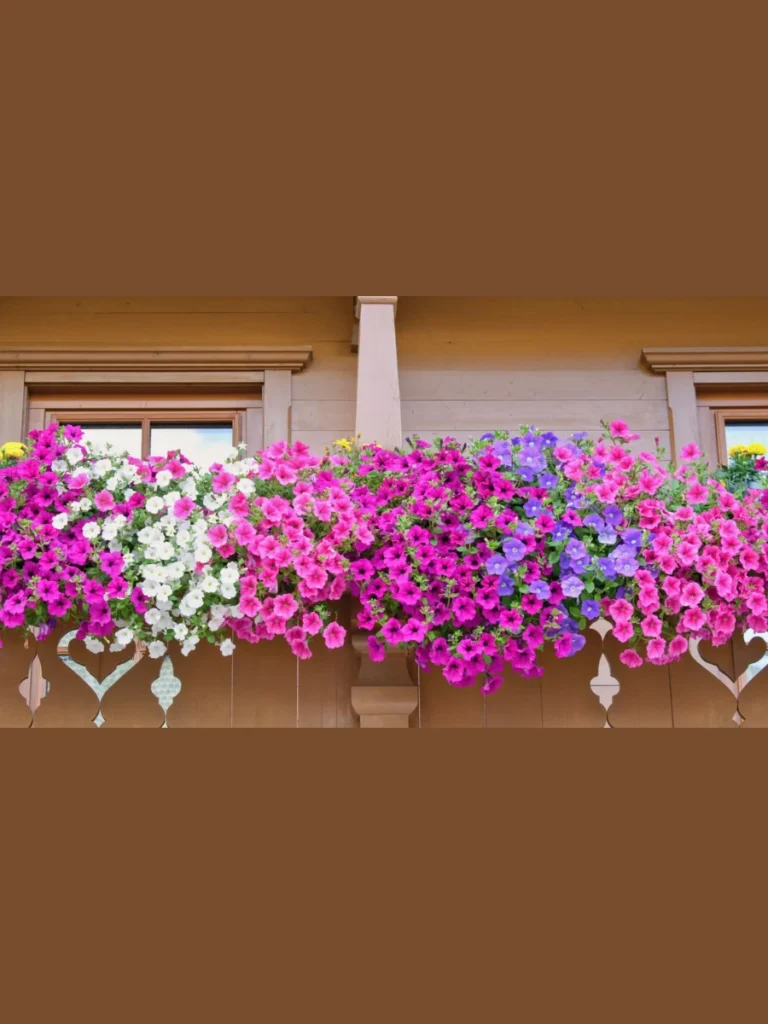
Petunias are the classic choice for a reason because they explode with color and trail down your railings in a very dramatic fashion. I find that the purple and white varieties tend to look the most expensive and high end when paired with black metal planters.

These flowers need plenty of direct sunlight to keep those blooms coming all summer long, so place them where the sun hits hardest. If you give them enough light, they will reward you by covering your balcony railing in a thick carpet of soft, bright petals.
I recommend the “Wave” variety if you want that long, cascading effect that makes your balcony look like a floral waterfall from the street. They do require a bit of “deadheading” to stay tidy, which is just a fancy way of saying you should pinch off dead flowers.
Keep the soil moist but not soaking wet, especially during those heatwaves that turn your balcony into a literal oven. A little bit of liquid fertilizer every two weeks will keep them looking like they belong in a professional garden magazine rather than a clearance bin.
3. Fragrant Lavender For A Relaxing Sensory Experience
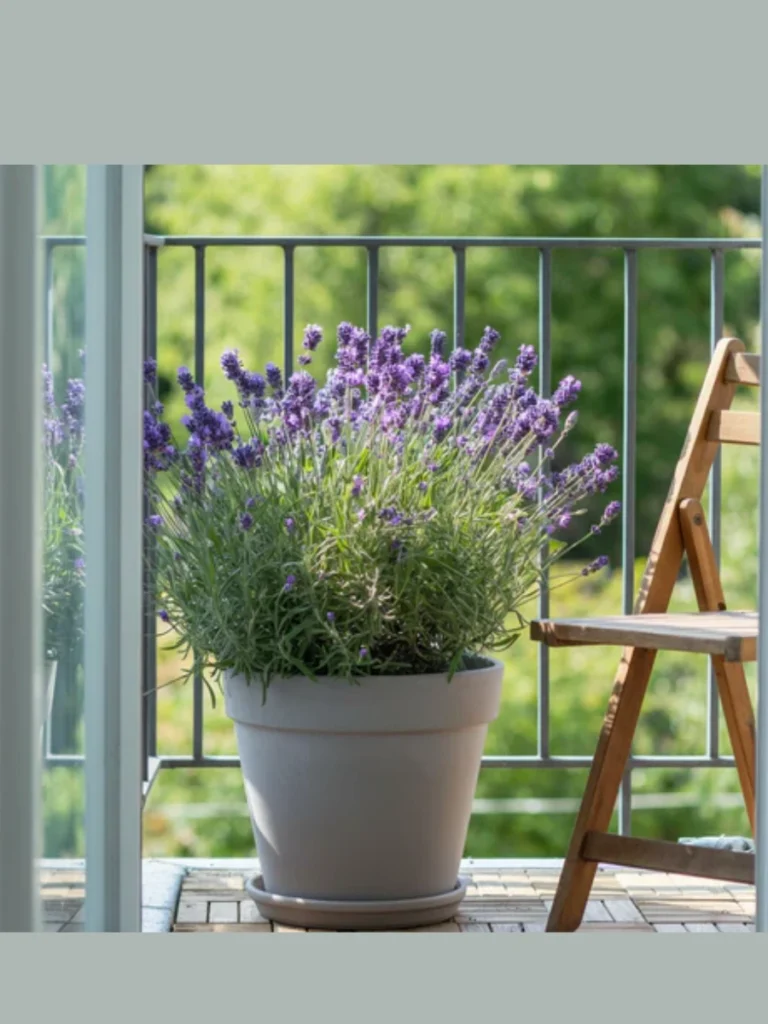
Nothing beats the smell of fresh lavender hitting you as soon as you step outside to check your phone or read a book. I personally keep a few pots of English lavender near my seating area to help mask the smell of city traffic and hot asphalt.
This plant loves the sun and actually prefers poor soil, so you don’t need to spend a fortune on the most expensive potting mixes. It thrives on neglect and doesn’t mind a bit of wind, which is a common problem for anyone living on a higher floor.
The silvery-green foliage provides a beautiful contrast to darker plants and looks stunning when the purple spikes finally start to emerge. Lavender also attracts bees and butterflies, which is a nice way to feel connected to nature even if you live in a concrete jungle.
You should ensure your pots have excellent drainage because lavender hates having “wet feet” more than anything else in the world. Use a terracotta pot for these guys since the breathable material helps the soil dry out quickly and prevents any root issues.
4. Hardy Bamboo For Natural Privacy Screening
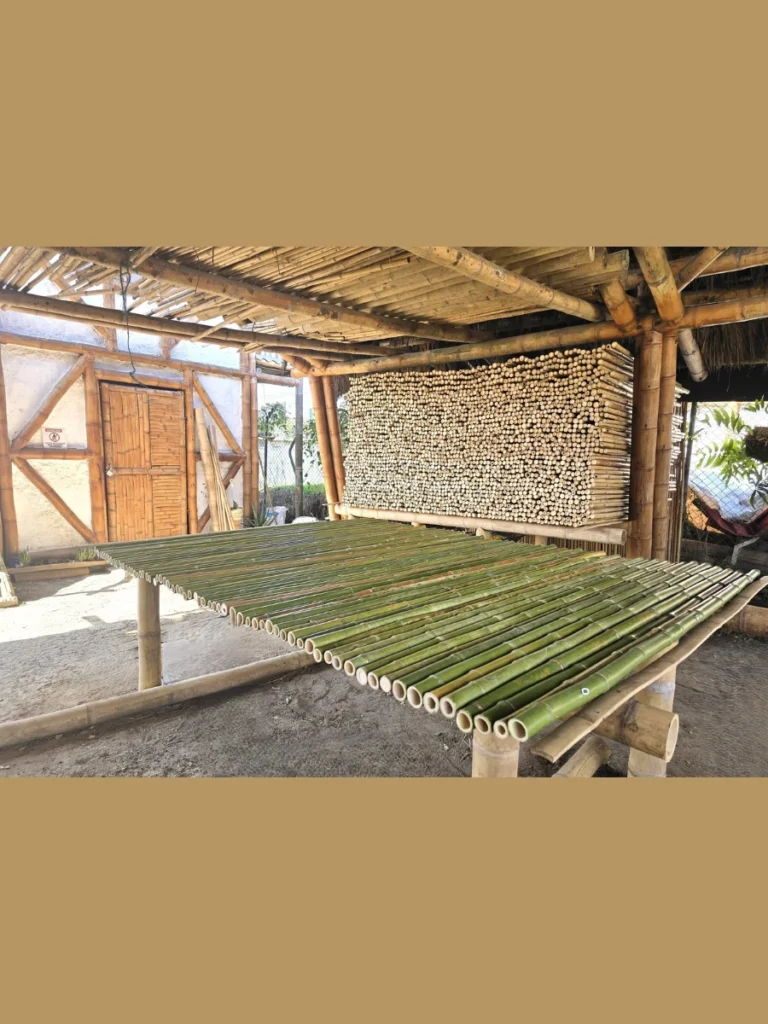
If you want to hide from the world without building a literal wall, bamboo is the fastest way to get some natural privacy. I use it to block out the streetlights and create a soft, rustling sound that makes the balcony feel much more secluded and quiet.

Make sure you choose a “clumping” variety rather than a “running” one, or you might find bamboo growing into your neighbor’s living room. It grows incredibly fast and fills in gaps quickly, providing a thick green screen that looks great all year round.
I suggest using long, rectangular planters to create a hedge effect along the edge of your balcony space. It creates a tropical atmosphere that pairs perfectly with some wooden furniture and a few soft outdoor pillows for a complete transformation.
Bamboo is a thirsty plant, so you will need to keep a close eye on the moisture levels in those large planters. It also appreciates a bit of shade during the hottest part of the day to keep those long leaves from turning brown and crispy.
5. Versatile English Ivy For Elegant Vertical Greenery
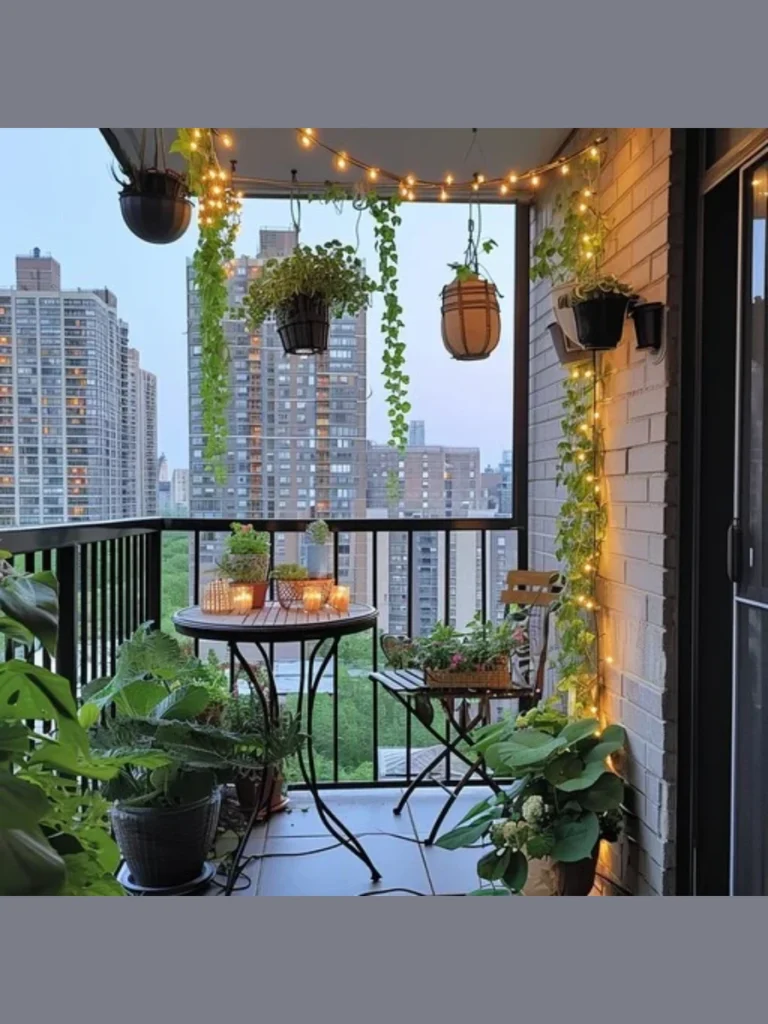
I think English ivy is the best solution for anyone who wants their balcony to look like an old European estate. It climbs up walls and wraps around railings with very little help, creating a lush look that covers ugly concrete surfaces.

This vine is incredibly tough and doesn’t mind the cooler temperatures that often hit balconies during the early spring or late autumn months. You can let it trail down from hanging baskets or train it to grow upward on a small wooden or metal trellis.
I find that the variegated versions with white or yellow edges add a nice pop of brightness to darker corners of the space. It is a fantastic choice for those north-facing balconies where most other flowering plants usually go to die within a few weeks.
You do need to give it a quick trim every now and then to stop it from trying to enter your apartment through the vents. Keeping it contained in a sturdy pot is the best way to enjoy the beauty without letting it take over the entire building.
6. Tasty Cherry Tomatoes For Your Own Edible Garden
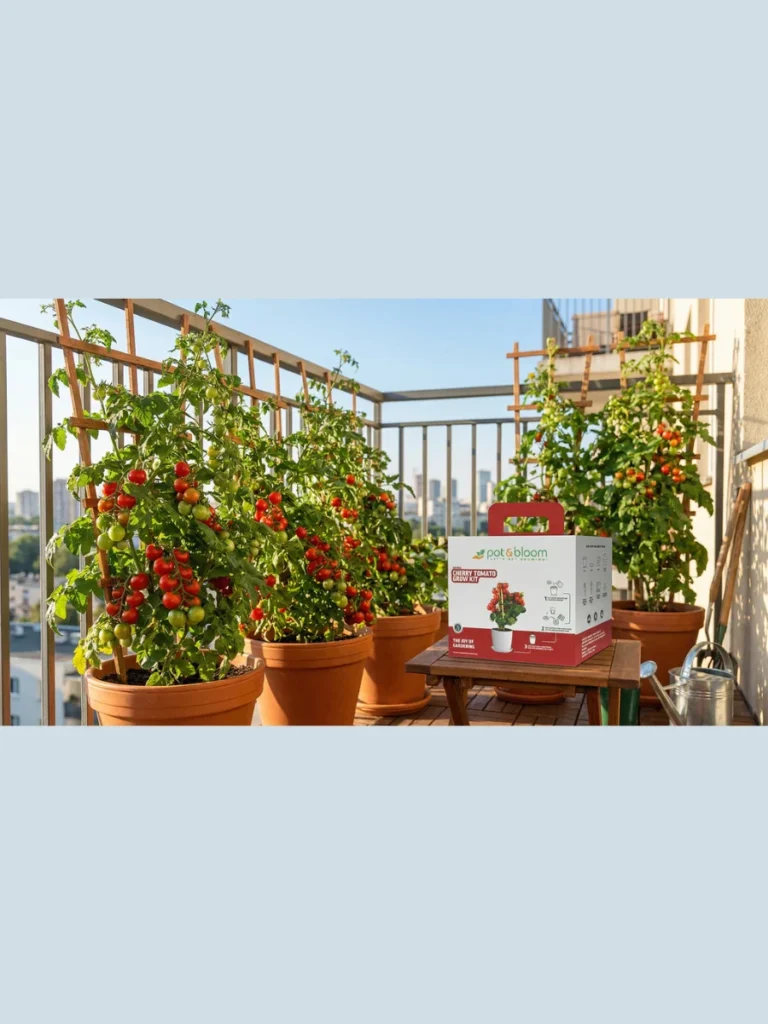
There is something deeply satisfying about picking a sun warmed tomato right off the vine while you are standing outside in your pajamas. I always suggest dwarf or “patio” varieties because they stay compact and produce a massive amount of fruit in a small area.
These plants are heavy drinkers and sun worshippers, so place them in the brightest spot you have and keep the watering can nearby. They need at least six hours of direct light to turn those little yellow flowers into the sweet red treats you actually want.
I like to use self watering planters for my tomatoes because they prevent the soil from drying out too fast during a hot afternoon. Providing a small cage or stake will keep the branches from snapping under the weight of all that delicious, growing produce.
Just be prepared to share a few with the local birds, as they usually have a very good eye for when the fruit is perfectly ripe. Adding a bit of organic fertilizer every few weeks will ensure your harvest lasts all the way through the end of the summer.

7. Tough Geraniums For Heat Resistant Balcony Beauty
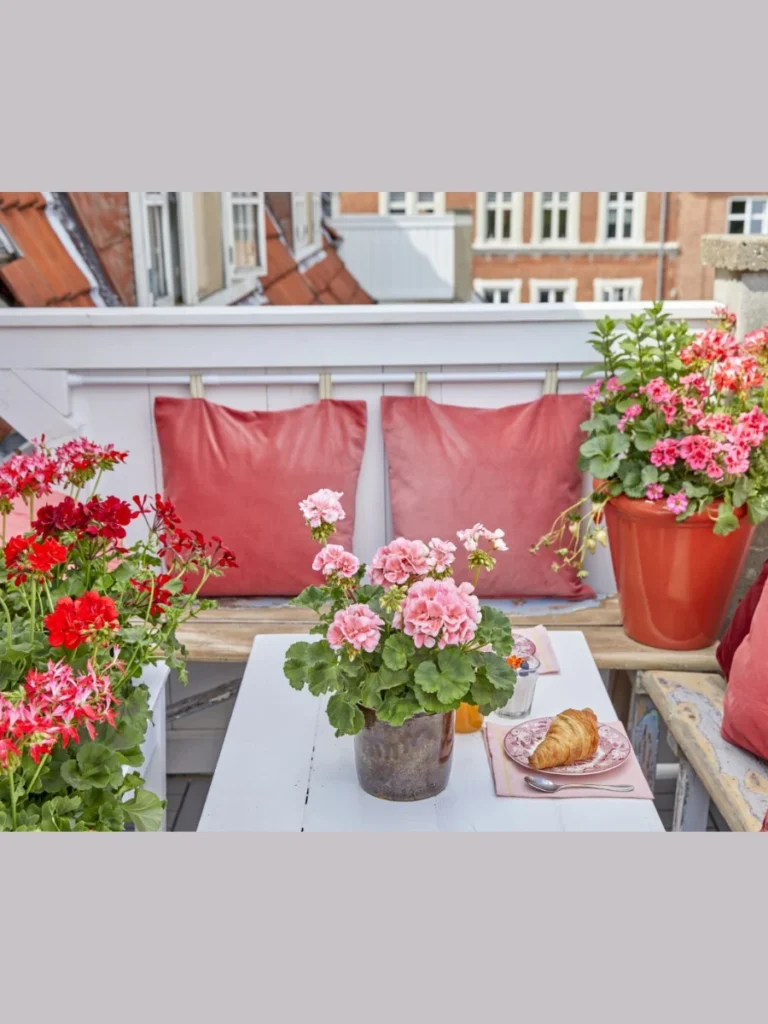
Geraniums are the ironclad soldiers of the balcony world because they can handle intense heat and a little bit of accidental neglect. I appreciate how they keep blooming even when the mid summer sun is beating down on the pavement and reflecting off the glass.
They come in incredibly bold reds and pinks that stay vibrant for a long time, making your balcony the envy of the entire street. These plants store water in their thick stems, which is why they don’t wilt the moment you forget to water them for a day.
I recommend removing the faded flower heads regularly to encourage the plant to keep producing new buds throughout the entire growing season. This simple task keeps the plant looking tidy and prevents it from looking like a scraggly mess after a heavy rain storm.
You should make sure the soil is well drained because these plants will quickly fail if they are sitting in a puddle of stagnant water. Using a mix of potting soil and a bit of sand or perlite works wonders for keeping their roots happy and healthy.
8. Elegant Japanese Maples For A High End Focal Point
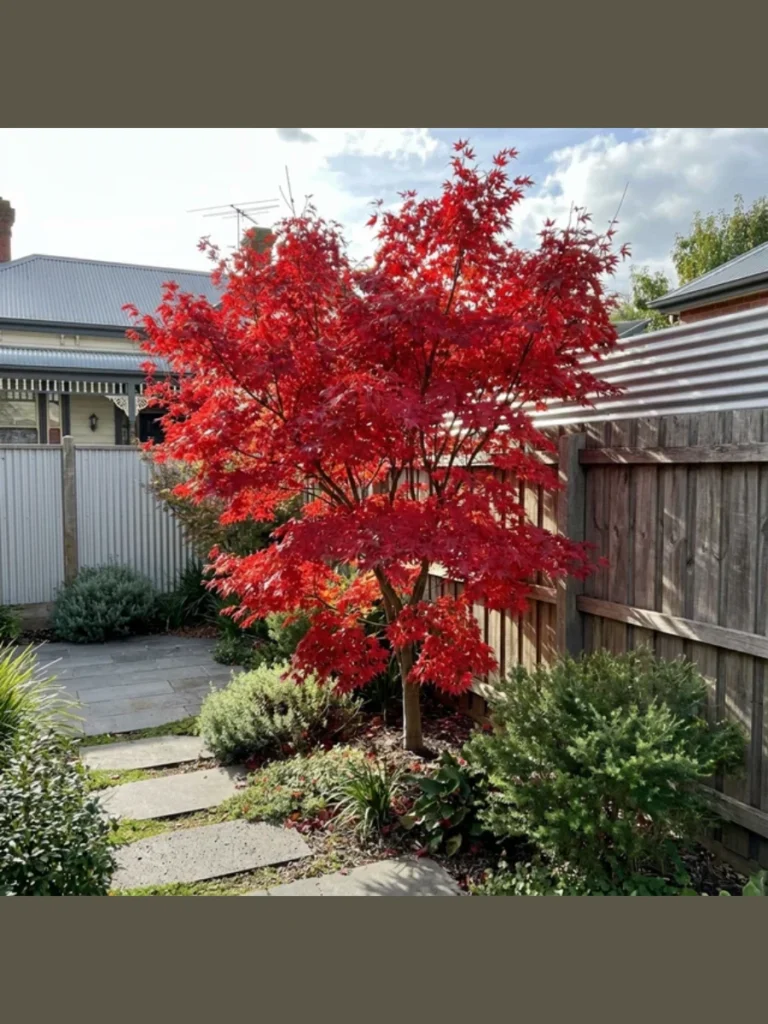
If you want to add a touch of class and a permanent structure to your balcony, a potted Japanese maple is a brilliant investment. I love how the delicate leaves change color through the seasons, offering a shifting palette of greens, oranges, and deep reds.

These trees grow slowly and are perfectly happy living in a large pot for many years as long as you give them some love. They prefer a spot that is sheltered from heavy winds, which can sometimes tear their thin, paper like leaves during a summer storm.
I suggest placing one in a large ceramic pot to act as a central piece of art that anchors your entire outdoor design. It creates a sense of permanence and “real” gardening that you just don’t get with smaller, temporary annual flowers that die in winter.
You will need to keep the soil consistently moist but never soggy, as these trees are a bit more sensitive than your average hardy shrub. A layer of mulch on top of the soil helps retain moisture and keeps the roots cool when the balcony floor heats up.
9. Colorful Coleus For Stunning Foliage Patterns
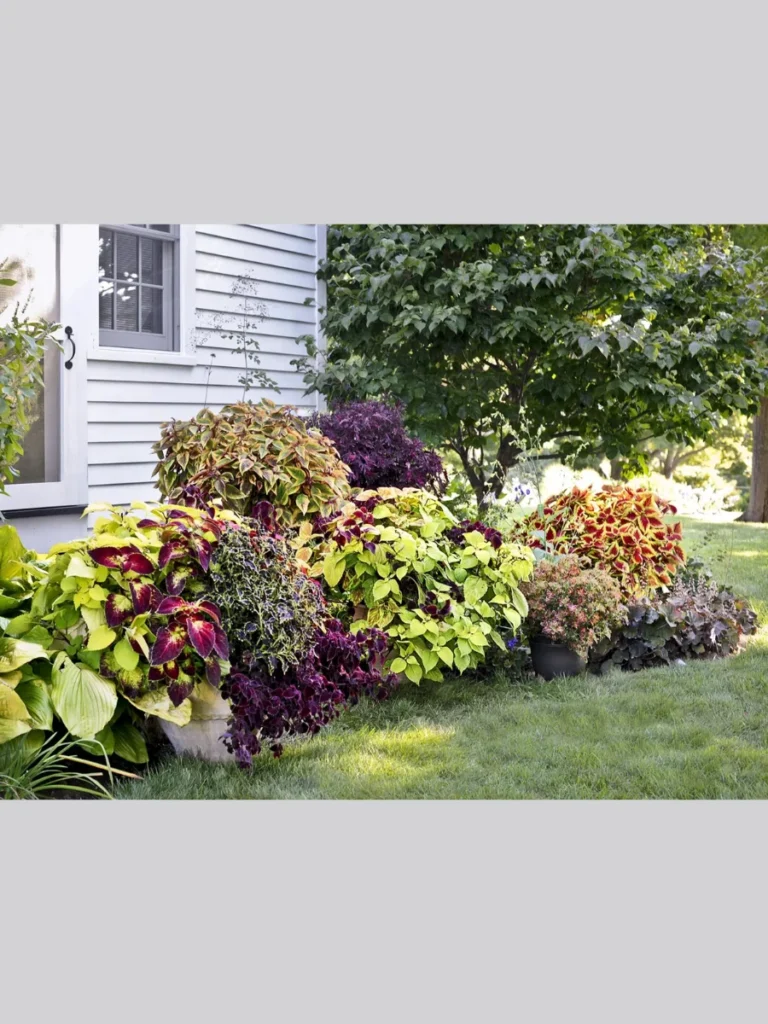
I often tell people that you don’t need flowers to have a bright balcony when you have the incredible colors of a coleus plant. These plants feature leaves with neon pinks, deep purples, and lime greens that look like they were painted by a professional artist.

They are the perfect choice if your balcony doesn’t get a ton of direct sunlight because they actually prefer a bit of afternoon shade. If you put them in too much sun, their beautiful colors can sometimes wash out or the leaves might get a little scorched.
I like to pinch off the small flower spikes that appear because the real show is the foliage, and this keeps the plant nice and bushy. If you let them grow too tall without trimming, they can get a bit leggy and lose that full, lush look we want.
Make sure you keep the soil consistently damp because these guys will wilt dramatically the moment they feel even a little bit thirsty. They are very communicative plants, so as soon as you see them drooping, you know it is time to grab the watering can.
10. Practical Herbs For A Useful Kitchen Balcony
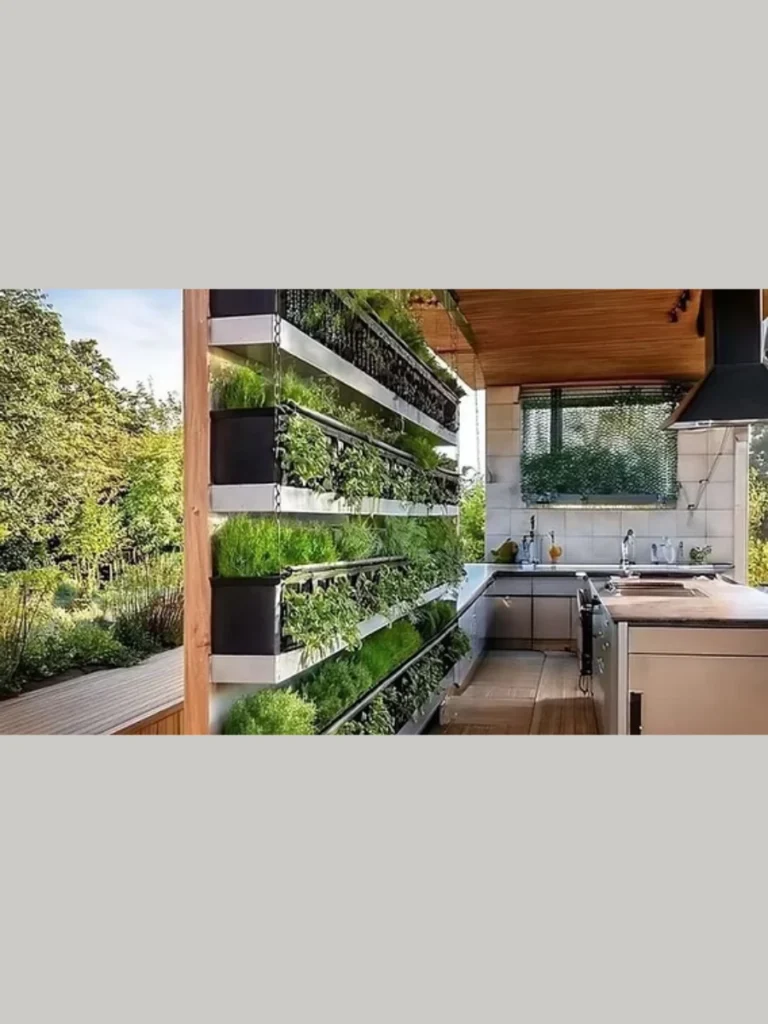
I truly believe every balcony should have a small herb garden because nothing beats the convenience of fresh basil or mint for your cooking. I keep mine right outside the kitchen door so I can grab a handful of leaves while I am right in the middle of making dinner.
Most common herbs like rosemary and thyme love the sun and don’t mind the wind, which makes them great for higher balcony railings. You can grow them in small individual pots or group them together in a long trough to save a bit of floor space.
I find that mint can be a bit of a bully, so you should always give it a separate pot to prevent it from taking over everything else. Using fresh herbs from your own balcony is a huge money saver and honestly makes everything you cook taste ten times better.
Just ensure you harvest them regularly to keep the plants productive and prevent them from going to seed too early in the summer season. A little bit of water every morning is usually enough to keep your mini spice rack thriving and smelling absolutely amazing all day.

Comparison Of Balcony Plant Maintenance Levels
| Plant Name | Light Level | Growth Speed | Skill Level |
|---|---|---|---|
| Coleus | Shade / Part Sun | Fast | Beginner |
| Herbs | Full Sun | Medium | Easy |
| Snake Plant | Any Light | Slow | Very Easy |
| Tomato | Full Sun | Very Fast | Intermediate |
Expert Tips For Successful Balcony Gardening
I have learned that the biggest mistake people make is using heavy garden soil in pots instead of a lightweight potting mix for drainage.
You should also check the weight limits of your balcony if you plan on adding massive ceramic pots filled with wet dirt.
Grouping your plants together not only looks better but also creates a little microclimate that helps them stay humid and happy during dry spells.
I always suggest starting with just three or five plants so you don’t get overwhelmed by the maintenance during the first month.
Conclusion
Turning a boring balcony into a lush green retreat is honestly one of the best things I ever did for my own mental health. It provides a quiet place to escape the noise of the city and gives you a sense of pride every time a new leaf appears.
I hope this list gives you the confidence to go out and grab a few pots and some soil to start your own little urban jungle today. You don’t need a green thumb to succeed as long as you pick the right plants for your specific light and wind conditions.

The best part is that your balcony will look better every year as your plants grow and you learn exactly what works for your space. Grab a cold drink, pull up a chair, and enjoy the beautiful view you created with your own two hands and some patience.
FAQs
I recommend choosing low profile plants with flexible stems like ornamental grasses or hardy succulents that won’t snap when the wind picks up.
Potted plants on balconies dry out much faster than those in the ground, so you should check the soil moisture every single morning
You can definitely grow plenty of food in small spaces by choosing “patio” or “determinate” varieties that are bred specifically for container life.
It depends on your local climate and whether your plants are perennials or annuals, so check the hardiness zone for each species you buy.
I always use deep saucers under every pot to catch any excess drainage and prevent a waterfall from hitting the people living below me
