
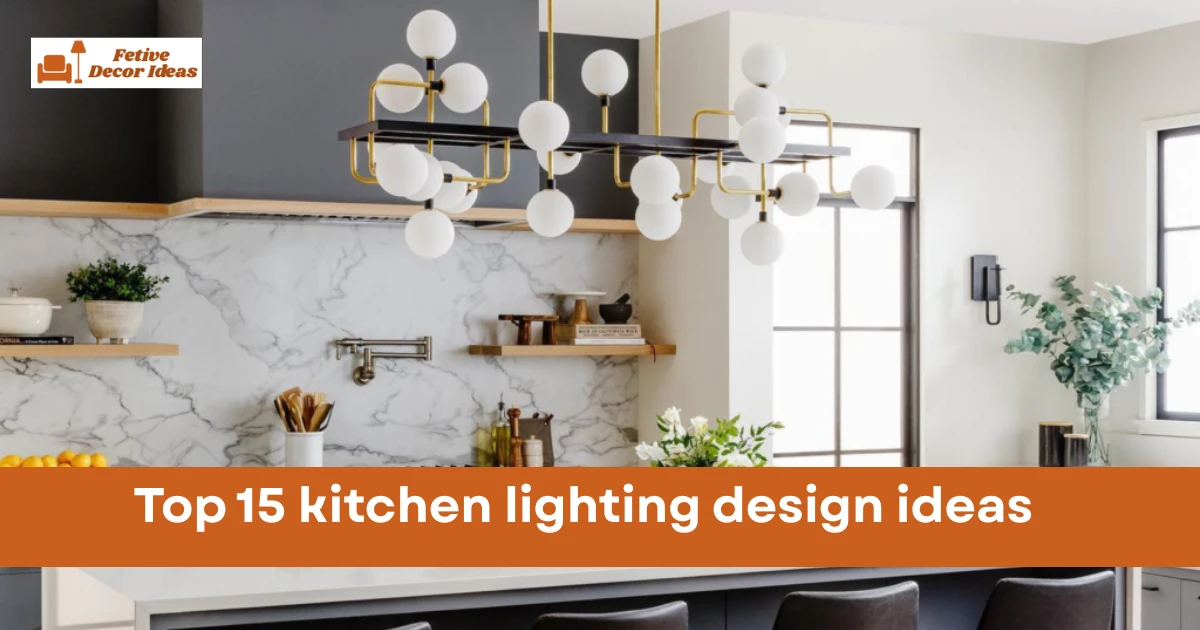
Good kitchen lighting design is the difference between a kitchen that just functions and one that genuinely feels great to be in. Most people get the layout right, choose beautiful cabinets, and splurge on countertops, then completely forget that lighting is what ties all of it together. I have seen stunning kitchens look flat and uninviting simply because the lighting was an afterthought.
A well planned kitchen lighting scheme works on multiple levels at the same time. It brightens your work surfaces for safe and comfortable cooking, adds warmth and atmosphere for everyday living, and highlights the design details you spent good money on. Getting all three of those things right in one kitchen is very achievable with the right ideas.
In this guide, I am sharing 15 of the best kitchen lighting design ideas that work across different kitchen styles, sizes, and budgets. Whether you are planning a full kitchen renovation or simply want to improve how your current kitchen feels, these ideas will give you a clear and practical starting point.
Kitchen Lighting Design Ideas Worth Planning Around
Kitchen lighting design is not about picking one light and calling it done. The best lit kitchens layer different types of lighting to cover different needs, from bright task lighting above the countertop to softer ambient light that makes the space feel warm and welcoming in the evenings.
I always think of kitchen lighting in three layers. The first layer is ambient lighting, which fills the whole room with general light. The second is task lighting, which focuses on specific work areas like the countertop and hob. The third is accent lighting, which highlights design details and adds depth and personality to the space.
Understanding these three layers before you start choosing fixtures makes the whole process much simpler and more effective. Every idea in this list fits into one or more of these layers, and together they build a kitchen lighting design that looks considered, feels comfortable, and performs brilliantly every single day.
1. Recessed Ceiling Lights for Clean and Even Ambient Lighting
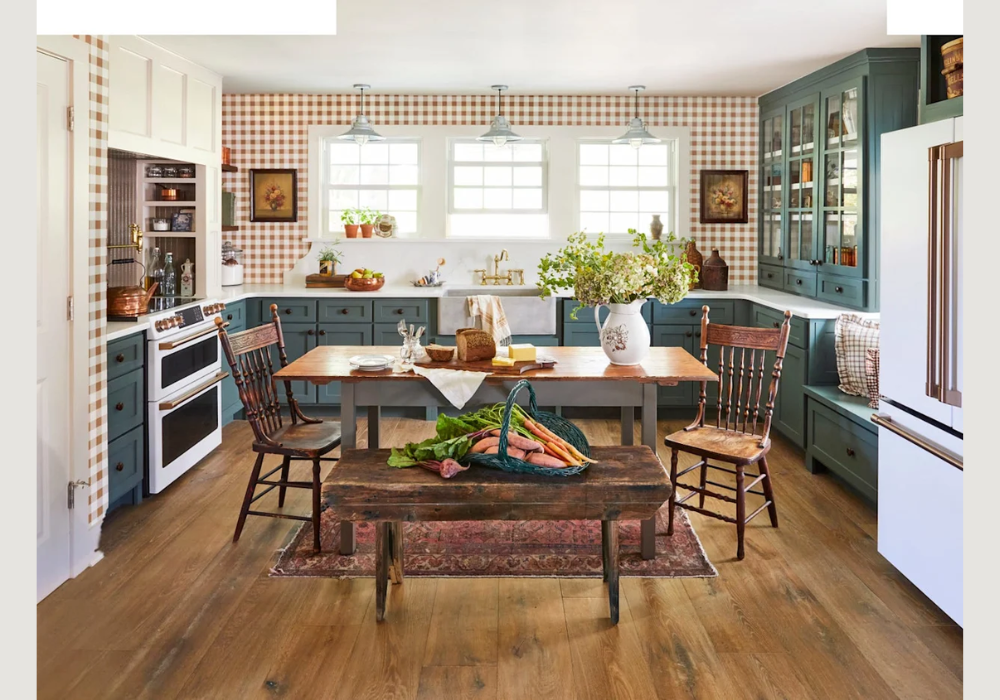
Recessed ceiling lights, also called downlights, are one of the most popular kitchen lighting choices for good reason. They sit flush with the ceiling and spread light evenly across the entire kitchen without taking up any visual space or adding clutter to the ceiling line. The result is a clean, uninterrupted look that suits modern and contemporary kitchens particularly well.
These lights work as the primary ambient light source in the kitchen. Space them evenly across the ceiling in a grid pattern to avoid dark corners and ensure consistent brightness throughout the whole room. A spacing of around 4 feet between each downlight works well in most standard kitchen sizes.
One thing I always recommend with recessed lights is to install them on a dimmer switch from the very beginning. Full brightness works well for cooking and food preparation, but being able to lower the light level transforms the kitchen into a much more relaxed and comfortable space for evening meals and quiet moments.
LED recessed lights are the best choice for kitchens today. They use significantly less energy than older halogen downlights, produce very little heat, and last for many years without needing replacement. Choose a warm white color temperature between 2700K and 3000K for a flattering, comfortable kitchen atmosphere.
2. Under Cabinet LED Strip Lights for Perfect Kitchen Task Lighting
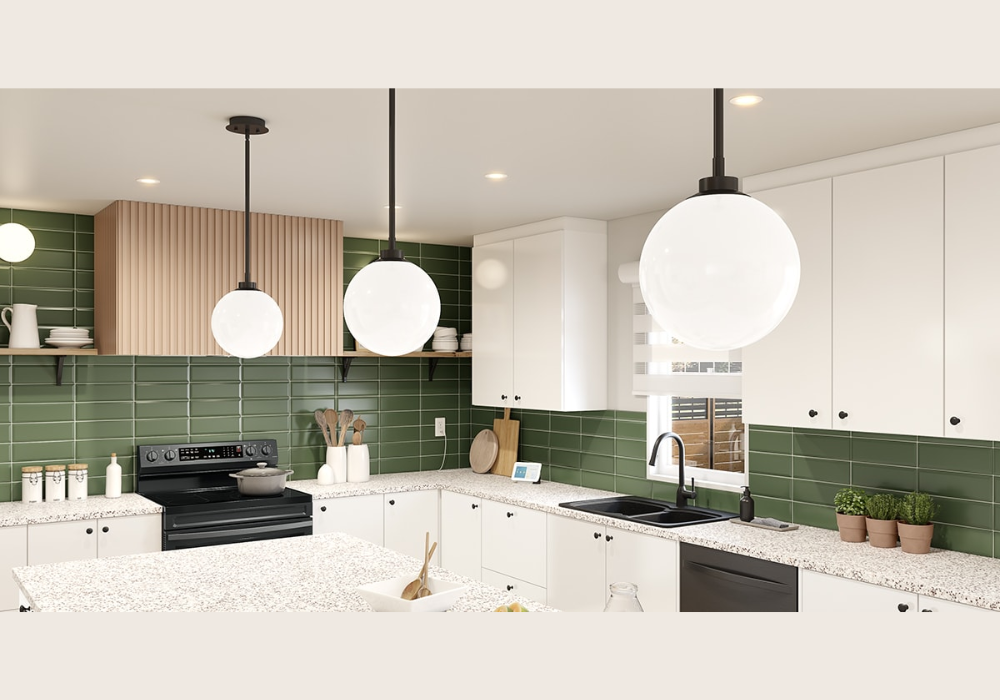
Under cabinet lighting is one of the most practical additions you can make to any kitchen. LED strip lights fitted to the underside of your wall cabinets shine directly onto your countertop, illuminating your main food preparation area clearly and evenly. This removes the shadows that overhead ceiling lights often cast across the counter when you stand in front of them.

This type of lighting makes a real difference to everyday cooking comfort. Chopping vegetables, reading recipe measurements, and handling sharp knives all become noticeably safer and easier when your work surface has dedicated, shadow free lighting directly above it. It is one of those additions that people wonder how they ever managed without.
LED strip lights are the most popular under cabinet option because they are slim, discreet, and very easy to install. Many options come with adhesive backing that sticks directly to the cabinet base without any professional installation needed. Plug in versions are particularly convenient for renters who want the benefit without any permanent changes.
Choose a warm white strip light in the 2700K to 3000K range to match your ceiling lights and keep the overall color temperature consistent throughout the kitchen. Cooler white strips above 4000K can feel harsh and clinical in a domestic kitchen environment and rarely complement the warm tones of wood, stone, or cream cabinetry.
3. Kitchen Island Pendant Lights for Style and Focused Lighting
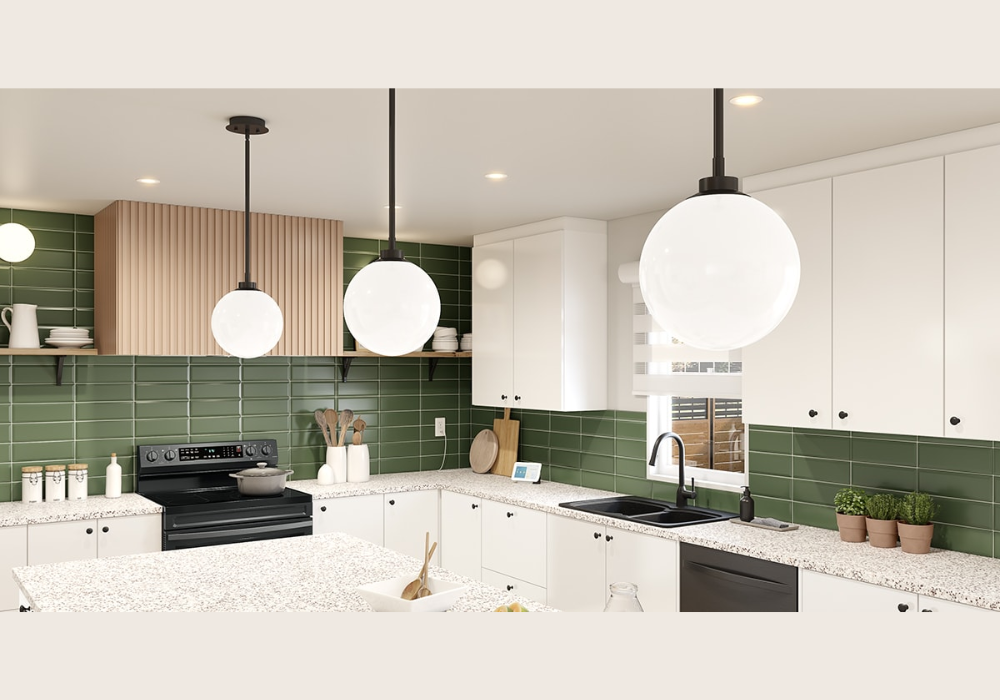
Pendant lights above the kitchen island are one of the most searched and most loved kitchen lighting design choices available. They serve a dual purpose beautifully, providing focused task lighting directly above the island work surface while also acting as a strong decorative feature that defines and anchors the island within the wider kitchen space.
The style of pendant you choose sets the tone for the entire kitchen. Industrial cage pendants in matte black create a bold, edgy look. Glass globe pendants feel clean and modern. Rattan woven shades add warmth and texture. Brass dome pendants bring a rich, curated quality. Each style sends a clear design signal about the kind of kitchen you are creating.
I find that getting the hanging height right is the single most important practical detail with island pendants. Hang the bottom of the pendant 30 to 36 inches above the countertop surface for the best combination of task lighting and clear sightlines across the island. Too high and the light becomes ineffective. Too low and it feels intrusive.
For a standard kitchen island, two to three pendants spaced evenly work well. On a longer island of six feet or more, three pendants create a balanced, symmetrical arrangement that looks intentional and well planned. Always leave at least six inches of clearance between the outermost pendant and the edge of the island for the best visual proportion.
4. Above Sink Pendant or Sconce Lighting for a Bright and Functional Work Zone
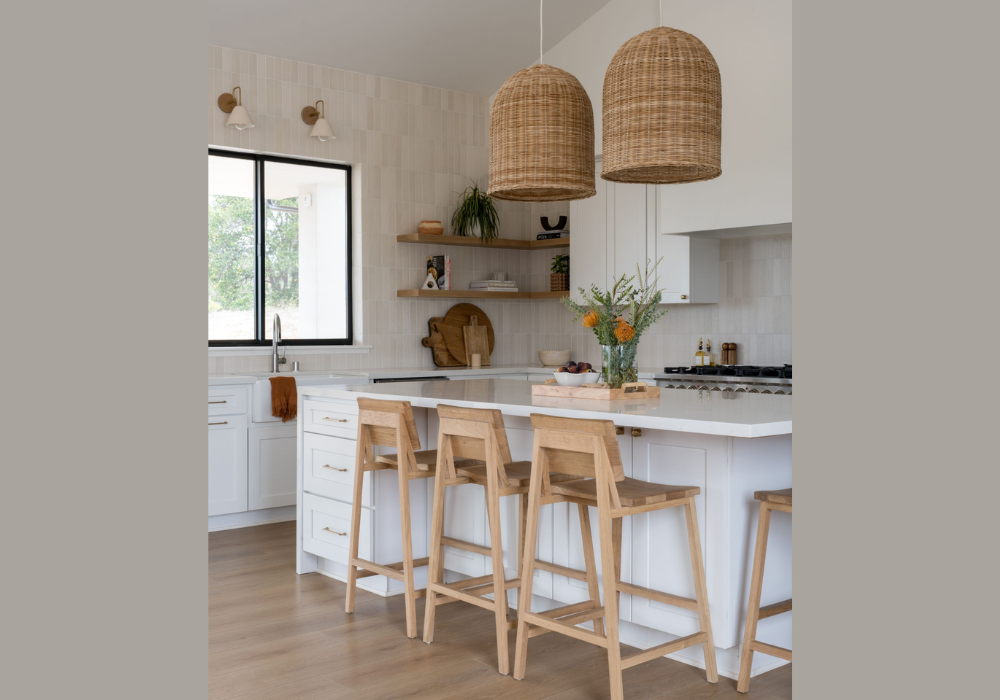
The area above the kitchen sink is one of the most used work zones in any kitchen, yet it is one of the most frequently overlooked spots when planning the lighting design. A dedicated light above the sink makes washing up, food rinsing, and general sink tasks significantly more comfortable and practical, especially in kitchens where the sink sits against a wall away from the main ceiling lights.

A small pendant light hung directly above the sink is a stylish and effective solution. It provides focused light exactly where you need it and also adds a decorative element to what is often a plain and functional corner of the kitchen. Even a simple clear glass pendant or a small dome shade makes a noticeable difference to both the function and the look of the sink area.
Wall mounted sconce lights on either side of the window above the sink are another strong option, particularly in kitchens where hanging a pendant is not practical. Sconces frame the window nicely, add a layered quality to the lighting design, and provide even, shadow free light across the sink area from both sides simultaneously.
In kitchens where the sink sits below a window, natural daylight handles the job well during the day. But after dark or on overcast days, a dedicated sink light makes a real practical difference. It is a small addition that costs very little but improves the everyday experience of using your kitchen more than most people expect.
5. Cabinet Interior Lighting for a High End Kitchen Look
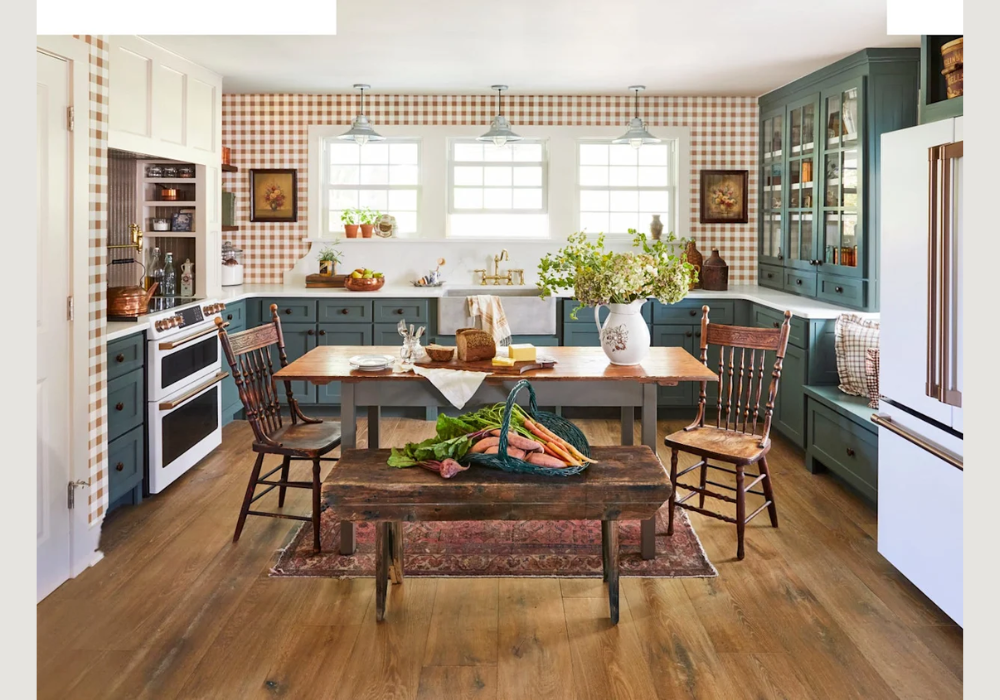
Cabinet interior lighting is one of those design details that immediately makes a kitchen look more considered, more expensive, and more professionally designed. Small LED strip lights or puck lights fitted inside glass fronted cabinets illuminate your dishware, glassware, and decorative items from within, turning everyday storage into a genuine display feature.
This type of lighting adds a layer of warmth and depth to the kitchen that ceiling lights alone cannot achieve. When the main kitchen lights are dimmed in the evening and the cabinet interiors glow softly, the effect is genuinely beautiful. It creates a layered, atmospheric quality that makes the kitchen feel more like a designed living space than a purely functional room.
Open shelving with integrated LED strip lighting along the back panel or underside of each shelf works in the same way. The light draws attention to the items on display, adds depth to the wall, and creates a warm background glow that contributes to the overall ambient lighting of the kitchen without being harsh or direct.
Cabinet interior lighting is also surprisingly affordable and straightforward to install. Battery operated LED puck lights require no wiring at all and switch on automatically when you open the cabinet door. For a more permanent and polished result, hardwired LED strip lights give a cleaner finish and connect to the main kitchen lighting circuit.
6. Toe Kick Lighting for a Soft and Atmospheric Kitchen Glow
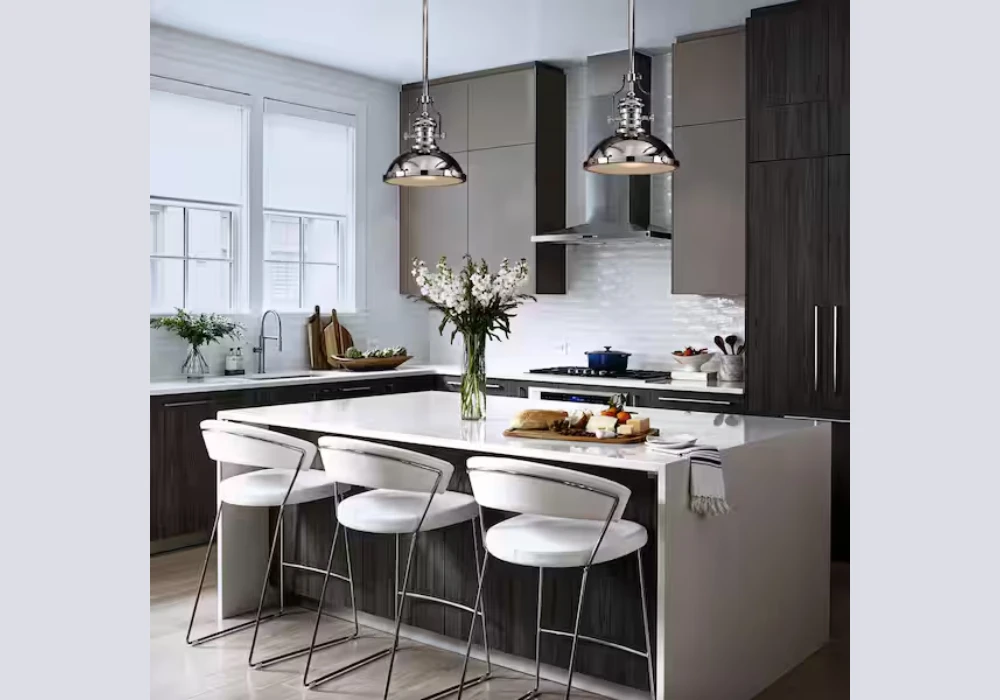
Toe kick lighting is one of the most underrated kitchen lighting design ideas that most homeowners never think to include until they see it in someone else’s kitchen. LED strip lights fitted along the base of your kitchen cabinets at floor level cast a soft, low glow across the kitchen floor that creates a floating effect. It looks genuinely stunning, especially in the evening when the main lights are dimmed.

This type of lighting serves a very practical purpose beyond just looking beautiful. It provides a gentle night light level of brightness that is perfect for navigating the kitchen after dark without switching on harsh overhead lights. If you ever get up in the middle of the night for a glass of water, you will appreciate this more than you can imagine right now.
The best color for toe kick lighting depends on the overall tone of your kitchen. Warm white at 2700K suits wood toned and cream kitchens beautifully. Cool white works well in very modern, monochrome kitchens with grey or white cabinets and polished surfaces. Some homeowners use color changing RGB strips for a more playful, contemporary result that can shift mood with a tap on a phone app.
Installation is straightforward and affordable. Most toe kick lighting uses self adhesive LED strip lights that press directly into the recess at the base of the cabinet carcass. The strip sits hidden from direct view so you only see the light effect on the floor, not the strip itself. That hidden quality is exactly what makes the result look so clean and professional.
7. Skylight and Natural Light Design for a Bright Daytime Kitchen
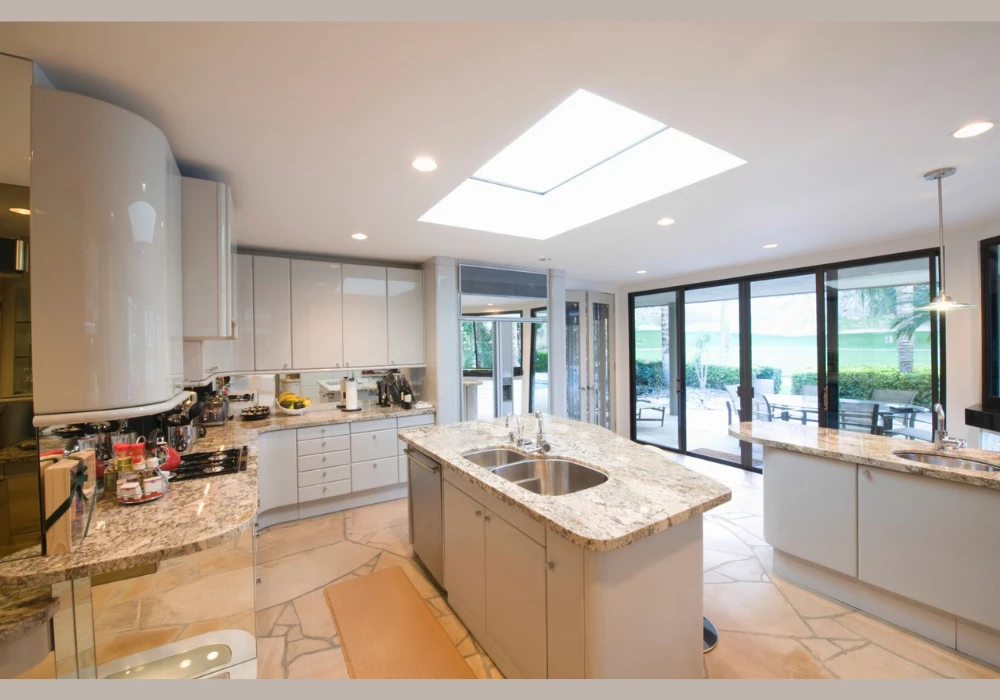
Natural light is the best kitchen lighting you can have during the day, and designing your kitchen to make the most of it costs nothing once it is built in. A well positioned skylight above the kitchen can flood the entire space with daylight from above, reaching areas that standard windows simply cannot illuminate. Kitchens that benefit from good natural light feel healthier, more spacious, and more pleasant to spend time in.
If your kitchen sits in the middle of the house with limited wall space for windows, a roof lantern or flat roof light is one of the best investments you can make. The light that enters from directly above spreads more evenly across the room than side windows, which only illuminate the area immediately around them. A single well placed skylight can transform a dark and enclosed kitchen into a genuinely bright and airy space.
For kitchens with existing windows, maximizing natural light is about keeping the glass clean, avoiding heavy window treatments that block the light, and choosing reflective surfaces nearby that bounce daylight further into the room. Light colored countertops, glossy cabinet doors, and pale flooring all help to distribute natural light more effectively throughout the kitchen.
Pairing good natural light with the right artificial lighting design creates a kitchen that performs well at all hours of the day. During daylight hours the natural light does the heavy lifting. As the evening comes in, your layered artificial lighting scheme takes over seamlessly. That transition from natural to artificial light is something the best kitchen lighting designs handle beautifully.

8. Pendant Cluster Lights for a Statement Kitchen Ceiling Design
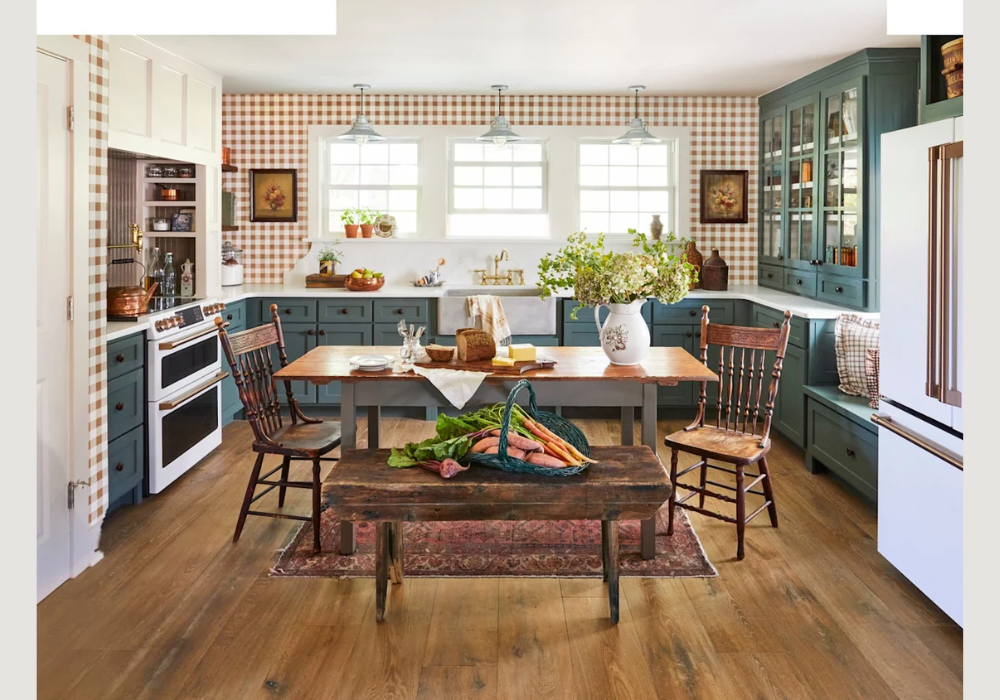
A cluster of pendant lights grouped together above the kitchen island or dining area creates one of the most visually dramatic lighting arrangements you can achieve in a domestic kitchen. Multiple pendants hanging at slightly varied heights from a single ceiling canopy give the impression of a sculptural installation rather than a standard light fitting. The effect is bold, creative, and genuinely impressive.
Cluster pendants work particularly well in open plan kitchens and kitchen dining spaces where the ceiling has enough height to accommodate the layered drop lengths. A cluster of five to seven small glass globe pendants hanging above a round kitchen dining table, for example, creates a focal point that anchors the dining area within the larger open plan space and makes it feel defined and intentional.
The key to making cluster pendants look deliberate rather than chaotic is consistency within the cluster. Use the same shade style throughout, whether that is clear glass globes, small rattan shades, or simple cylinder pendants, and vary only the drop length of each pendant. That single variation creates the layered effect without introducing visual confusion from mixing too many different shapes.
I think cluster pendants are one of those lighting ideas that genuinely surprise people when they see them in real life. In photographs they look impressive. In person they look extraordinary. If you have the ceiling height and the budget, a well chosen pendant cluster is one of the most rewarding kitchen lighting investments you can make.
9. Dimmable Kitchen Lighting for Full Control Over Mood and Brightness
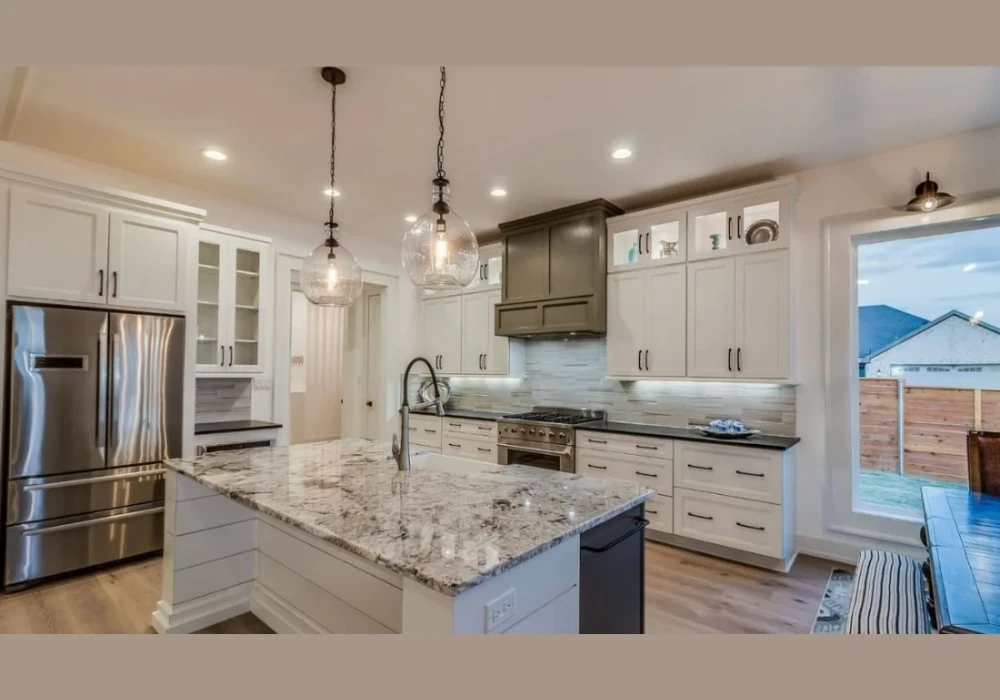
Dimmable lighting is not a style or a fixture type. It is a feature that every kitchen lighting design should include from the very beginning. The ability to adjust the brightness of your kitchen lights gives you complete control over the mood and atmosphere of the space at any time of day. It is one of those practical decisions that costs very little extra during installation but adds enormous value to daily life.
A fully lit kitchen at maximum brightness is exactly what you need when preparing food, reading recipes, and working at the counter. That same kitchen at 30 percent brightness feels completely different. It becomes warm, relaxed, and comfortable for an evening meal or a quiet cup of tea after the children are in bed. Dimmers make one kitchen perform like two completely different spaces depending on what you need from it.

Installing dimmers is straightforward when you plan for them at the beginning of a kitchen renovation. Most modern LED downlights, pendant lights, and strip lights are compatible with standard dimmer switches. The important thing is to check compatibility before you buy your fixtures, because not all LED lights dim smoothly on all dimmer switch types. A good electrician will guide you through the right combinations.
Smart dimmer switches take this even further by allowing you to control your kitchen lights through a phone app or voice command. You can set specific brightness scenes for cooking, dining, and evening relaxation and switch between them instantly. For anyone building a new kitchen or doing a full rewire, smart lighting control is genuinely worth considering from the start.
10. Warm White LED Lighting for a Comfortable and Inviting Kitchen
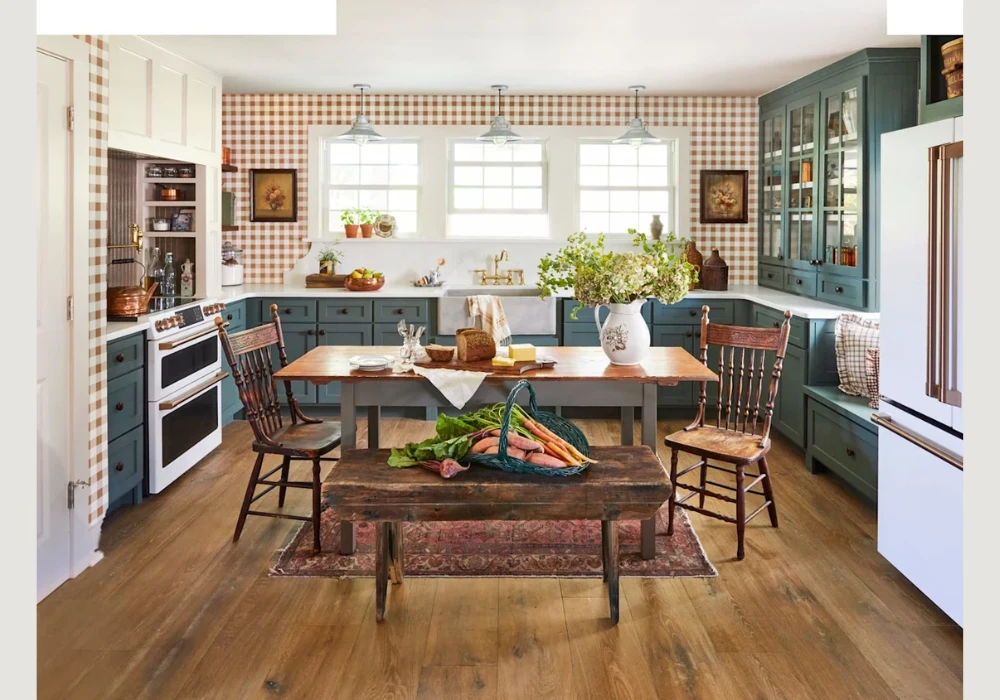
The color temperature of your kitchen lighting affects how the whole space feels more than most people realize. Warm white LED lighting in the 2700K to 3000K range creates a soft, flattering, and genuinely comfortable atmosphere in the kitchen that cooler or daylight balanced bulbs simply cannot replicate. It makes food look more appetizing, skin tones look healthier, and the kitchen feel more like a home.
Many people make the mistake of choosing cool white or daylight bulbs for their kitchen because they assume brighter and whiter means better. In reality, a kitchen lit with 5000K or 6500K daylight bulbs feels clinical, harsh, and more like a hospital corridor than a welcoming home environment. The extra brightness is rarely necessary and the atmosphere it creates is rarely pleasant.
Warm white LEDs work across every area of the kitchen. Use them in your recessed ceiling lights, your under cabinet strip lights, your pendant shades, and your cabinet interior lights for a consistent and harmonious color temperature throughout the entire space. Mixing warm and cool white lights in the same kitchen creates an unsettling visual inconsistency that most people cannot immediately identify but instinctively find uncomfortable.
The practical advantages of warm white LEDs go beyond atmosphere. Modern warm white LED bulbs deliver excellent energy efficiency, a very long lifespan of 15,000 to 25,000 hours, and very low heat output compared to older halogen alternatives. Switching your kitchen to warm white LED lighting reduces your energy bills noticeably and removes the need for frequent bulb replacements throughout the year.
11. Open Shelf Accent Lighting to Highlight Your Kitchen Display Areas
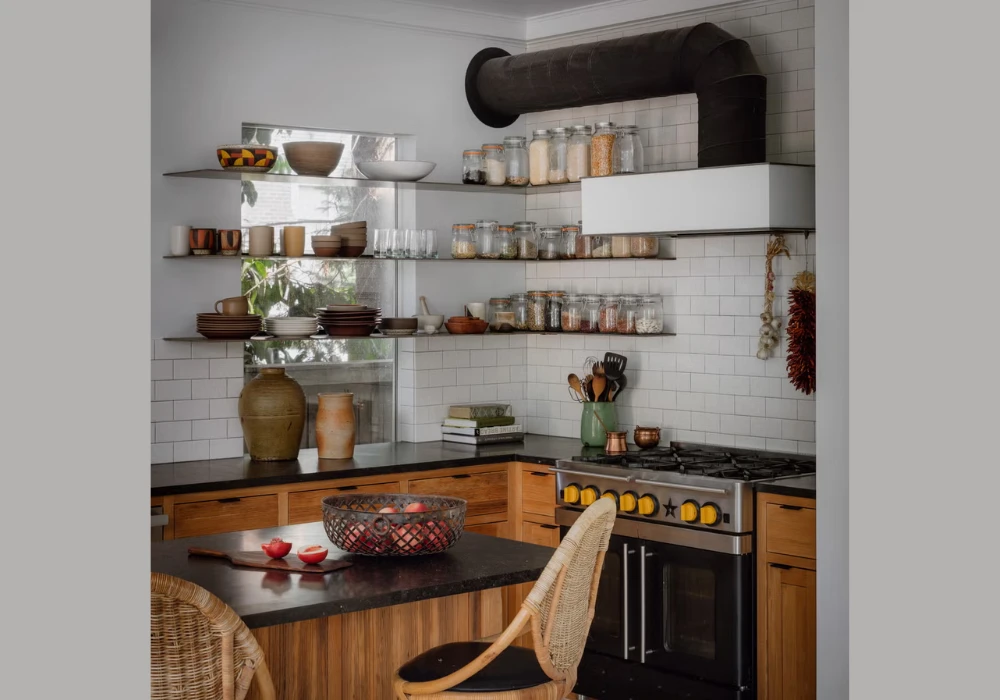
Open shelving has become one of the most popular kitchen design choices over the last several years, and accent lighting transforms open shelves from simple storage into a genuine design feature. A small LED strip light fitted along the underside of each shelf or along the back panel casts a warm glow across whatever sits on the shelf below, whether that is a row of ceramic bowls, a collection of cookbooks, or a set of matching glass jars.

This type of accent lighting adds visual depth to the kitchen wall in a way that a plain painted shelf simply cannot achieve on its own. The interplay of light and shadow across the objects on the shelf creates texture and interest that makes the wall feel alive rather than flat. In kitchens where the walls are otherwise plain or neutral, shelf accent lighting adds a layer of warmth and character that costs very little to achieve.
I find that the best results come from using a very warm white strip light at around 2700K on open shelves. The warm tone flatters most materials including wood, ceramic, glass, and stone, and creates a glow that feels genuinely inviting rather than simply bright. Cooler strip lights on open shelves can make the display look stark and slightly uncomfortable, which defeats the purpose of the accent lighting entirely.
Shelf accent lighting also works beautifully as a secondary ambient light source in the kitchen during the evening. When the main ceiling lights are dimmed low and the shelf lights glow warmly against the wall, the kitchen feels layered, atmospheric, and genuinely well designed. It is a detail that costs very little but contributes enormously to the overall feel of the finished kitchen.
12. Track Lighting for a Flexible and Adjustable Kitchen Lighting System
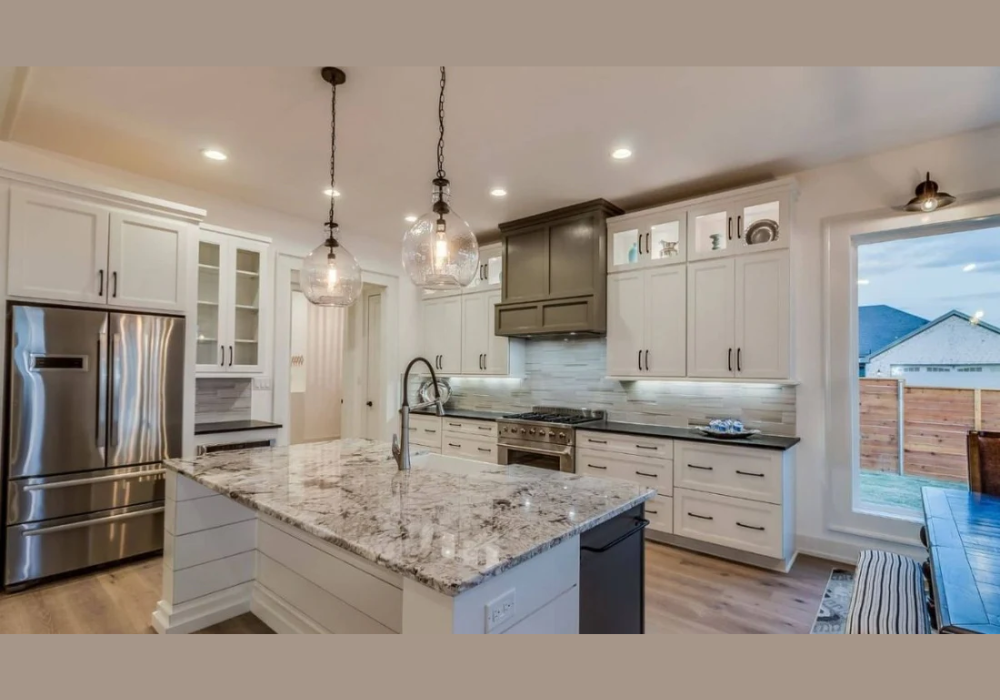
Track lighting is one of the most flexible kitchen lighting solutions available for homeowners who want full control over where their light falls. A single track mounted to the ceiling carries multiple adjustable spotlight heads that you can point in any direction, allowing you to illuminate different areas of the kitchen independently from one installation point. It is practical, adaptable, and genuinely useful in kitchens with complex layouts.
This style works especially well in kitchens where recessed downlights are not possible due to the ceiling construction or where the kitchen layout changes over time. If you rearrange your kitchen or add a new work surface, you simply repoint the track heads to suit the new layout rather than rewiring anything. That flexibility is something fixed ceiling lights simply cannot offer.
Track lighting suits industrial, modern, and loft style kitchens particularly well. Black or gunmetal track systems with adjustable spotlight heads look purposeful and architectural against a white or concrete ceiling. In more traditional kitchens, brushed nickel or brass track systems blend more naturally with the overall design without drawing too much attention to themselves.

One practical tip I always share about track lighting is to plan the track position carefully before installation. Mount the track parallel to your longest run of countertop so the spotlight heads can cover the full length of your main work surface effectively. A well positioned track light system covers ambient, task, and accent lighting needs from a single ceiling installation, which makes it a very efficient choice for kitchens with limited ceiling space.
13. Hob and Cooker Hood Integrated Lighting for a Bright Cooking Zone
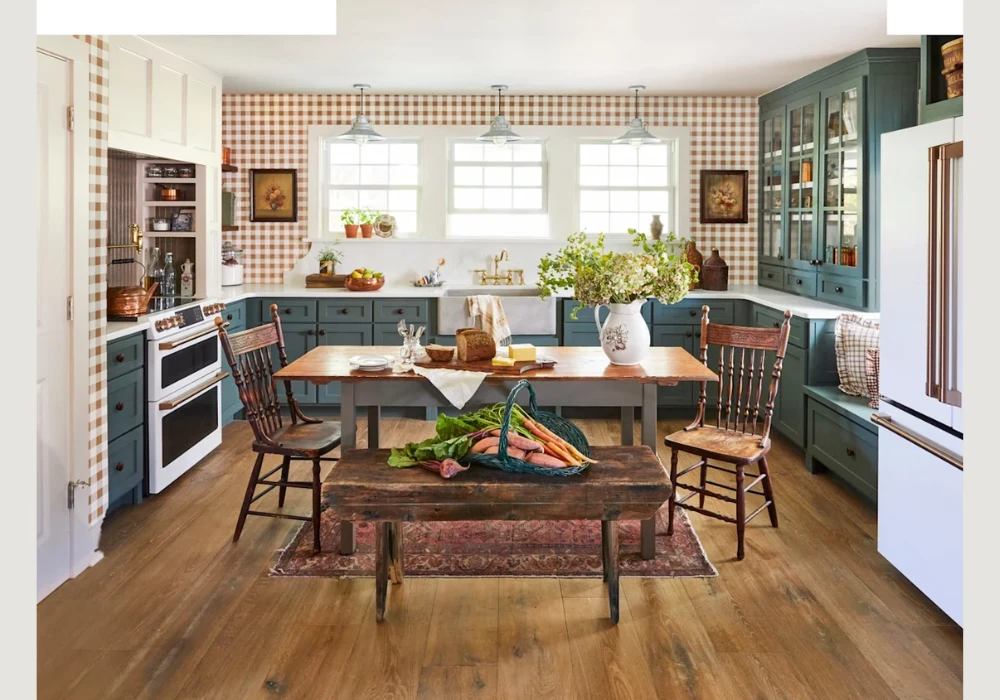
The area above the hob is one of the most important task lighting zones in any kitchen, and most people rely entirely on the integrated light inside their cooker hood to illuminate it. A good quality cooker hood with a strong built in LED light makes an enormous practical difference to cooking comfort. You can see exactly what is happening in every pan clearly and safely without squinting through shadows or steam.
Most modern cooker hoods include integrated LED lighting as a standard feature, but the quality and brightness vary considerably between models. When choosing a cooker hood, pay attention to the lumen output of the built in lights rather than just the extraction performance. A hood with 500 lumens or more of integrated lighting will illuminate your hob area properly and make everyday cooking noticeably more comfortable.
In kitchens without a traditional cooker hood, a ceiling mounted downlight positioned directly above the hob serves the same purpose. Position one or two recessed LED downlights in the ceiling directly above the cooking zone to ensure the hob surface receives good direct light. This small detail removes the frustrating shadows that make it difficult to judge cooking temperatures and read pan contents accurately.
Some kitchen designers also add a small pendant light or a short drop downlight above the hob area in open kitchens without an overhead hood. This creates a defined cooking zone within the larger kitchen space and provides excellent focused light right where the cooking happens. It is a less common choice but one that can look very stylish and intentional in the right kitchen design.
14. Smart Kitchen Lighting for a Modern and Connected Home
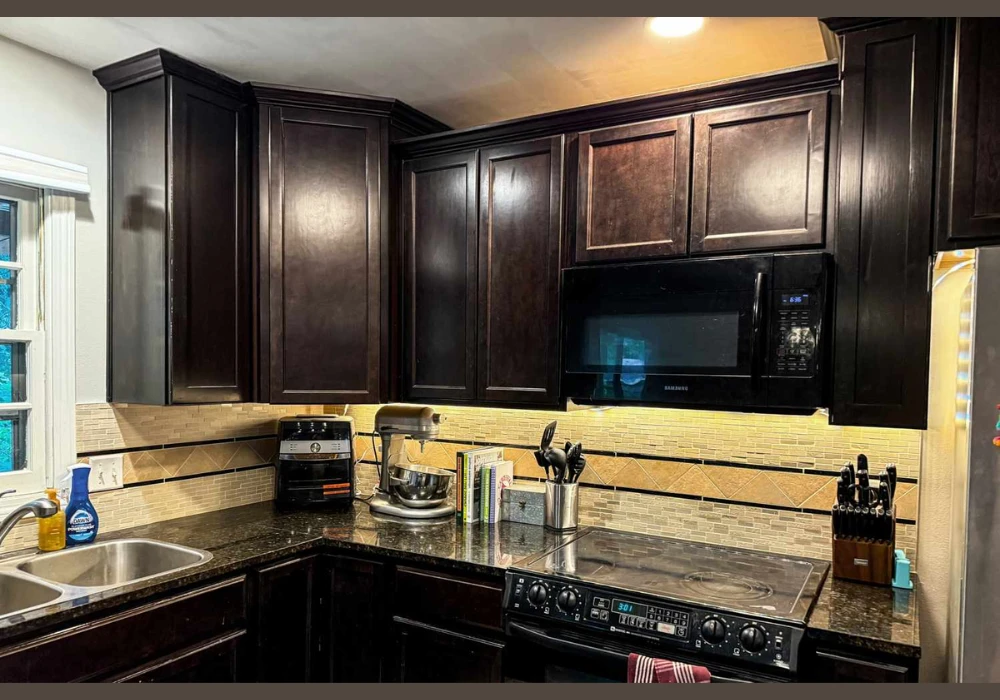
Smart kitchen lighting is becoming increasingly popular as more homeowners look for convenient, energy efficient ways to control their home environment. A smart lighting system lets you adjust brightness, change color temperature, set automated schedules, and control every light in your kitchen from a single phone app or through a voice assistant. The convenience is real and the energy savings are significant.

The most straightforward way to add smart lighting to a kitchen is through smart bulbs that fit into your existing pendant and ceiling light fittings. Brands like Philips Hue, LIFX, and several others offer warm white smart bulbs that connect directly to your home wifi network and work immediately with standard smartphone apps. You do not need to change any wiring or fittings to get started, which makes smart bulbs a very accessible entry point.
For a more fully integrated result, smart dimmer switches and smart lighting controllers wired into your kitchen circuit give you control over all your kitchen lights including recessed downlights and LED strip lights that do not use standard bulb fittings. This approach requires an electrician to install but delivers a much more complete and seamless smart lighting experience throughout the whole kitchen.
I think the most genuinely useful feature of smart kitchen lighting is the ability to create preset lighting scenes. A bright cooking scene at full power for food preparation, a softer dining scene at 50 percent warmth for mealtimes, and a very low evening scene for late night kitchen visits can all be saved and activated with a single tap or voice command. That level of control makes the kitchen more comfortable and more energy efficient at the same time.
15. Colored Accent Lighting for a Creative and Personality Driven Kitchen
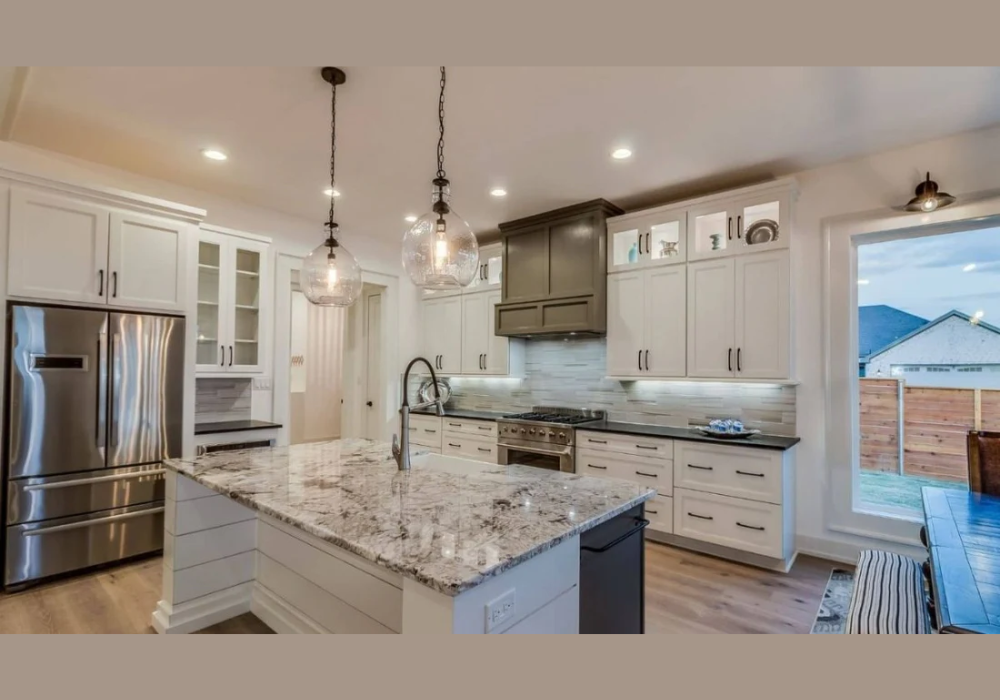
Colored accent lighting is the most expressive kitchen lighting idea on this list and it is not for everyone, but for the right homeowner it adds a level of personality and creativity to the kitchen that no other lighting type can match. RGB LED strip lights fitted beneath cabinets, inside toe kicks, or along open shelving allow you to introduce a wash of color into the kitchen that completely changes its mood and character at will.
This type of lighting works best as a secondary accent layer rather than the primary light source. Keep your main ambient and task lighting in warm white and use the colored strips purely for atmosphere and visual interest. A soft blue glow along the toe kick in the evening creates a calm, contemporary feel. A warm amber accent behind open shelving adds richness and depth to the kitchen wall without changing the overall warm white character of the main lighting.
The practical side of colored accent lighting has improved dramatically in recent years. Modern RGB LED strips are affordable, easy to install, and controllable through simple smartphone apps that let you choose from millions of color options and set automated color schedules. Many systems also respond to music, which is either a brilliant feature or a deeply unnecessary one depending entirely on your personality and your relationship with your neighbors.
For homeowners who want color without committing to RGB strips, colored pendant lights in a single fixed shade like deep green, navy blue, or burnt orange serve as a more restrained and design conscious alternative. The color comes from the fixture itself rather than the light output, which gives a more traditional and architecturally considered result that suits a wider range of kitchen styles and personal tastes.

Kitchen Lighting Design Planning Guide
Planning your kitchen lighting design well before installation saves money, prevents mistakes, and delivers a far better finished result. Here is a practical framework to help you plan your kitchen lighting scheme from scratch.
| Lighting Layer | Purpose | Best Fixture Types |
|---|---|---|
| Ambient Lighting | General room brightness | Recessed downlights, ceiling pendants |
| Task Lighting | Focused work surface light | Under cabinet strips, hob lights, sink lights |
| Accent Lighting | Atmosphere and design detail | Toe kick strips, shelf lights, cabinet interior lights |
Conclusion
Kitchen lighting design is one of the most impactful decisions you make during a kitchen renovation and one of the most frequently underplanned. The right lighting scheme does not just illuminate the room. It makes the kitchen feel comfortable, beautiful, and genuinely suited to the way you actually live in it every day.
Across these 15 ideas I covered everything from recessed ceiling lights and under cabinet task lighting to smart systems, colored accents, and natural skylight design. Each idea plays a specific role within a layered lighting scheme and the best kitchen lighting designs combine several of these ideas working together rather than relying on any single fixture to do everything.
My strongest advice is to plan your kitchen lighting in layers from the very start, choose warm white LEDs throughout, install dimmers on every circuit, and choose a metal finish that ties all your fixtures together visually. Get those four things right and your kitchen lighting design will look considered, feel comfortable, and perform brilliantly for many years to come.
FAQs
Every kitchen benefits from three lighting layers working together. Ambient lighting provides general room brightness through recessed ceiling lights or ceiling pendants. Task lighting focuses on specific work areas like countertops, the hob, and the sink through under cabinet strips and dedicated spotlights. Accent lighting adds atmosphere and highlights design details through toe kick strips, shelf lights, and cabinet interior lighting.
Warm white lighting between 2700K and 3000K suits most kitchens best. This range creates a comfortable, flattering atmosphere that makes food look appealing and the kitchen feel inviting. Avoid cool white bulbs above 4000K in domestic kitchens as they create a harsh, clinical feel that most homeowners find uncomfortable for everyday living.
The cost varies considerably depending on the number of fixtures, the quality of products chosen, and whether you hire an electrician for installation. A basic kitchen lighting upgrade with recessed downlights, under cabinet strips, and island pendants typically costs between 500 and 2000 dollars for a standard sized kitchen. A full smart lighting system with dimmers and integrated controls sits at the higher end of that range.
Yes, LED lights are the best choice for every area of the kitchen today. They use up to 80 percent less energy than older halogen bulbs, produce very little heat, last between 15,000 and 25,000 hours, and deliver excellent light quality across a wide range of color temperatures. The upfront cost is slightly higher than traditional bulbs but the long term energy and replacement savings make LED the clear practical choice.
Use a combination of recessed ceiling downlights for even ambient brightness, under cabinet LED strips to eliminate countertop shadows, and light colored reflective surfaces nearby to bounce daylight and artificial light further into the room. Avoid dark pendant shades or opaque fixtures in small kitchens as they absorb light rather than distributing it. Clear glass pendants and open fixtures work much better in compact spaces.

Yes, several kitchen lighting options require no rewiring at all. Plug in pendant lights, battery operated cabinet interior puck lights, self adhesive LED strip lights for under cabinets and toe kicks, and smart bulbs that fit existing ceiling fittings all work without any electrical work. These options suit renters or anyone who wants to improve their kitchen lighting without committing to a full electrical installation.
