
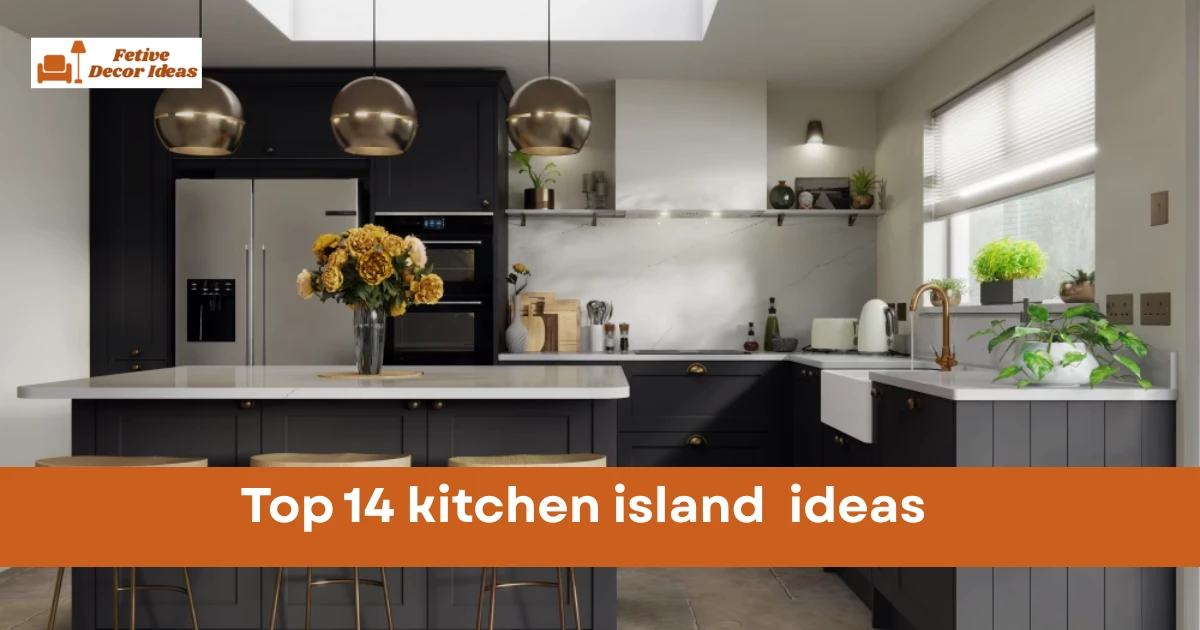
A kitchen island is one of the best additions you can make to any kitchen, full stop. It adds counter space, creates storage, gives you a place to eat, and becomes the natural gathering point for everyone in the house. I have yet to meet a homeowner who added a kitchen island and regretted it afterward.
The challenge is choosing the right island idea for your specific kitchen. Not every kitchen suits a large fitted island with a built in sink and seating for four. Some kitchens need something smaller, more flexible, or more budget friendly. The good news is that kitchen island options today cover every size, style, and budget imaginable.
In this article, I am sharing 14 genuine and practical kitchen island ideas that work across different kitchen sizes, layouts, and design styles. Whether you are planning a full kitchen renovation or simply want to add an island without any building work, you will find a solid and actionable idea here that suits your space perfectly.
Best Kitchen Island Ideas for Every Home and Budget
Choosing the right kitchen island starts with understanding your kitchen layout, your daily habits, and what you actually need the island to do. Some people need extra storage above everything else. Others want seating for casual family meals. Some just need more counter space for cooking and baking.
I always recommend writing down your top three priorities before you start browsing island styles. That simple exercise immediately narrows down your options and stops you from falling in love with an island that looks stunning but does not actually serve your real needs in daily life.
The 14 ideas below cover everything from large bespoke fitted islands to small freestanding carts that cost a fraction of the price. Each idea comes with real design detail, practical sizing guidance, and honest advice about who it suits best. Start reading and see which one makes you think “that is exactly what my kitchen needs.”

1. Classic White Kitchen Island for a Clean and Timeless Look
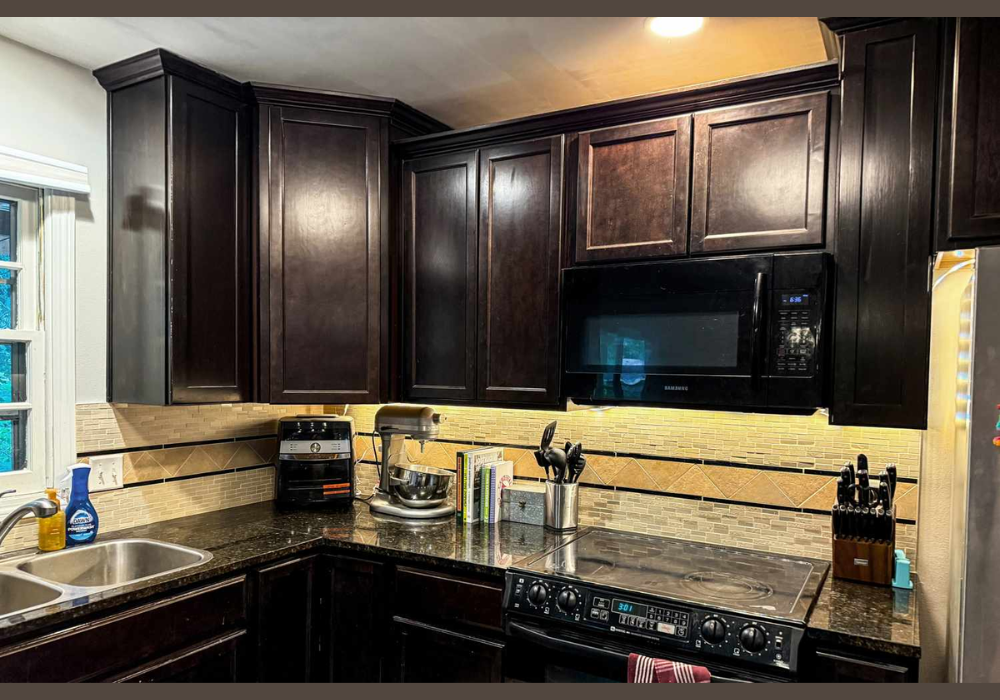
A white kitchen island is one of the most consistently popular choices for homeowners across every style of kitchen, and the reason is simple. White works with everything. It brightens the space, creates a sense of cleanliness, and pairs effortlessly with almost every countertop material, cabinet color, and flooring type you can imagine.

Painted white islands with shaker style cabinet doors are particularly popular in transitional and farmhouse kitchens. The shaker door profile adds just enough detail to stop the island from looking plain, while the white paint keeps the overall look fresh, light, and easy to live with. Add brass or black hardware and the island immediately feels more styled and intentional.
White islands also photograph beautifully, which matters more than people admit when it comes to home design decisions. If you ever plan to sell your home, a white kitchen island appeals to the widest possible range of buyers and adds genuine value to the property. It is one of those choices that works both for living in and for selling.
One practical consideration with white islands is maintenance. White painted surfaces show marks and scuffs more readily than darker finishes. Choosing a durable eggshell or satin paint finish rather than a flat matte finish makes cleaning significantly easier and keeps the island looking fresh for longer without constant touching up.
2. Two Tone Kitchen Island for a Bold and Stylish Contrast
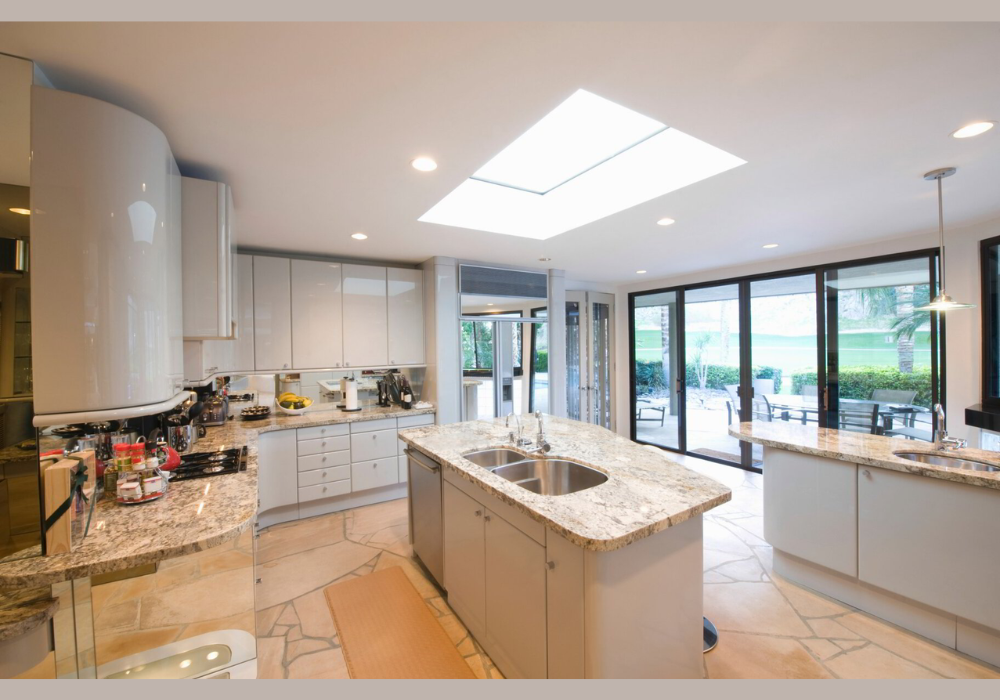
A two tone kitchen island uses a different color on the island than on the surrounding cabinets, creating a deliberate contrast that makes the island stand out as a distinct feature within the kitchen. This approach has become one of the most popular kitchen design trends in recent years and it works brilliantly when executed well.
The most common and most successful two tone combination is white or light grey perimeter cabinets paired with a darker island in navy blue, forest green, charcoal, or deep grey. The contrast draws the eye immediately to the island and gives it a strong visual presence that makes it feel like the centerpiece of the kitchen rather than just an extension of the cabinetry.
I find that two tone kitchens work best when the island color connects to at least one other element in the room. If your island is navy blue, pick up that color in your bar stools, a kitchen rug, or the trim around a window. That small repetition of color makes the two tone choice feel deliberate and well considered rather than random or accidental.
The countertop material you choose for a two tone island matters enormously to the finished result. A dark colored island base paired with a light marble or quartz countertop creates a beautiful contrast between the cabinet and the surface above it. That layering of color and material is what gives two tone kitchen islands their sophisticated, high end appearance.

3. Kitchen Island with Seating for a Casual Dining and Breakfast Bar
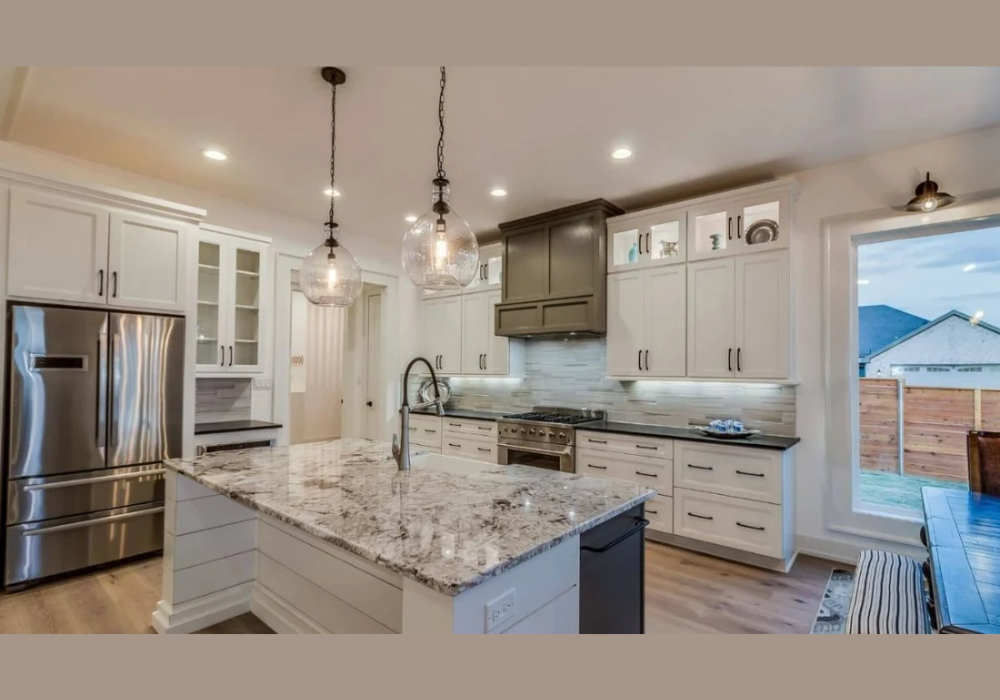
A kitchen island with seating is one of the most practical and family friendly island configurations you can choose. It turns the island into a casual dining spot, a homework station, a breakfast bar, and a social gathering point all in one piece of furniture. Honestly, once you have one, you wonder how you ever managed a kitchen without it.
The countertop needs an overhang of at least 12 inches on the seating side to give people enough knee room to sit comfortably. For standard counter height islands at 36 inches tall, counter height stools work perfectly. For bar height islands at 42 inches tall, taller bar stools are needed. Getting this height relationship right is the single most important practical detail for comfortable island seating.
Plan for roughly 24 inches of counter width per person to give each seated person enough elbow room. A 48 inch wide island comfortably seats two people on one side. A 72 inch island seats three comfortably. These numbers give you a practical starting point for planning how many seats your island can realistically accommodate without feeling cramped.
The style of bar stool you choose has a significant impact on the overall look of the island and the kitchen. Upholstered stools add softness and comfort for longer sitting sessions. Wooden stools feel warm and natural. Metal stools suit industrial and modern kitchens. Whatever style you choose, keep all the stools matching for a clean, coordinated result that looks intentional rather than collected.

4. Freestanding Kitchen Island for a Flexible and Affordable Option
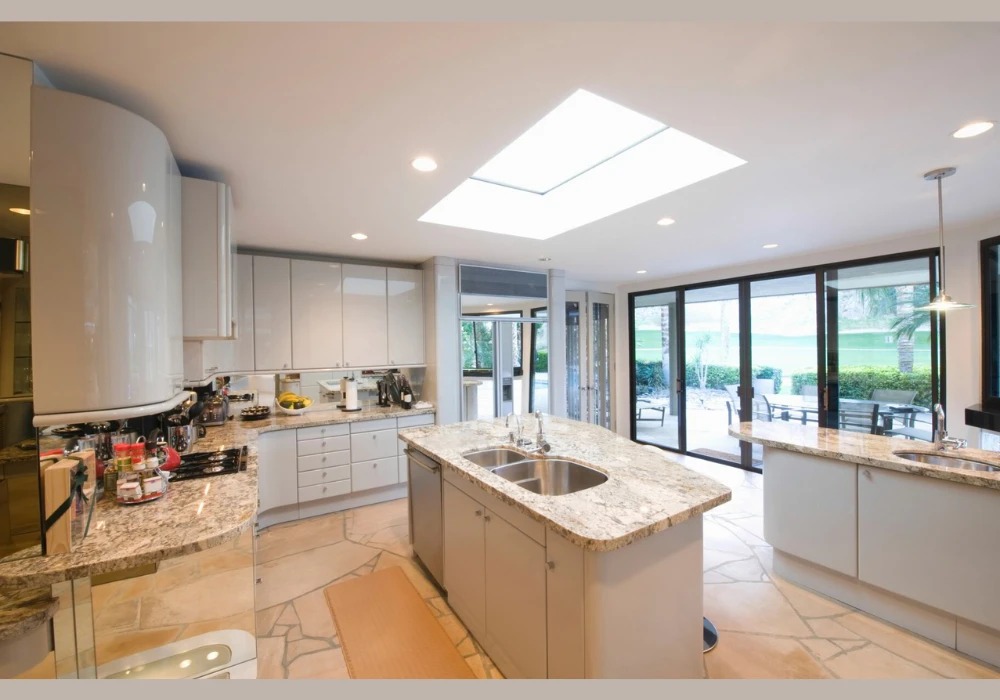
A freestanding kitchen island is the most accessible and budget friendly island option available for homeowners who want the benefits of an island without any building work or permanent installation. These islands sit independently in the kitchen space and can be moved, repositioned, or taken with you if you move home. That flexibility is genuinely valuable.
Freestanding islands come in a huge range of styles, sizes, and materials. You can find simple butcher block top carts for a few hundred dollars, mid range wooden islands with drawers and shelving for around five hundred to a thousand dollars, and higher end freestanding islands with marble tops and painted cabinet bases that look virtually indistinguishable from a fitted installation.
One thing I particularly appreciate about freestanding islands is how they work in rental properties. As a renter you cannot make permanent structural changes, but a well chosen freestanding island gives you the extra counter space, storage, and functionality of a fitted island without touching a single wall or floor. It is one of the smartest practical solutions for people who do not own their home.
When choosing a freestanding island, measure your kitchen carefully before buying anything. You need a minimum of 42 inches of clear walkway space on every side of the island for comfortable movement around it. In a standard kitchen, this means your island should be no wider than the total kitchen width minus 84 inches to allow adequate clearance on both sides simultaneously.
5. Butcher Block Kitchen Island for a Warm and Natural Work Surface
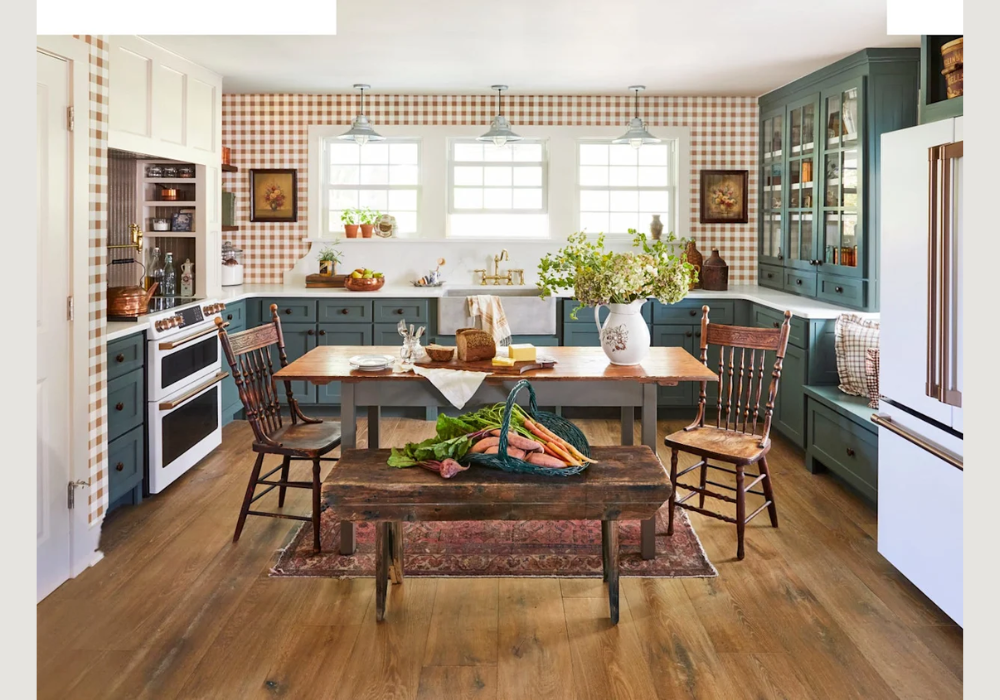
A butcher block kitchen island brings a warmth, texture, and natural character to the kitchen that stone and engineered surfaces simply cannot replicate. The wood grain surface feels genuinely inviting, ages beautifully with use, and creates a connection to natural materials that suits farmhouse, rustic, Scandinavian, and even modern kitchen styles very effectively.

Butcher block countertops are also one of the most practical surfaces for food preparation. The wood surface is gentle on knife edges, which means your knives stay sharper for longer compared to cutting on stone or ceramic surfaces. Many butcher block island owners use the surface directly for chopping without a separate cutting board, which makes food preparation faster and more natural.
The maintenance requirements of butcher block are different from stone or quartz surfaces and worth understanding before you commit. Wood surfaces need regular oiling with food safe mineral oil to prevent drying, cracking, and staining. Every few months is usually sufficient for a well maintained butcher block surface. It takes about ten minutes and makes a noticeable difference to how the wood looks and performs.
Butcher block islands are also very repairable in a way that stone surfaces are not. If the surface develops deep scratches or stains over time, a light sand with fine grit sandpaper followed by a fresh coat of oil restores the surface to near original condition. That repair ability gives butcher block a lifespan that genuinely rivals more expensive stone surfaces when you take proper care of it.
6. Kitchen Island with Open Shelving for a Stylish and Practical Storage Solution
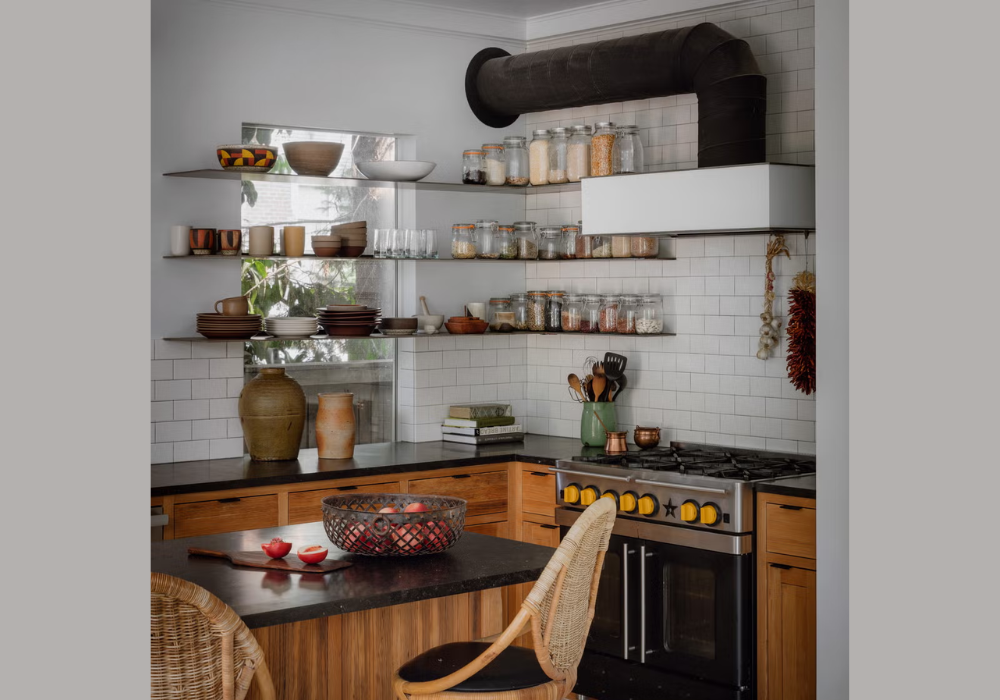
A kitchen island with open shelving on one or both sides offers a storage solution that is both practical and visually appealing. Open shelves on an island give you easy access to everyday items like cookbooks, serving bowls, wine bottles, and kitchen baskets without needing to open a cabinet door every time. Everything you need sits right there in plain sight and within easy reach.
This style works particularly well in farmhouse, coastal, and relaxed contemporary kitchens where the overall design aesthetic embraces a more open, collected, and lived in quality. Styling the open shelves with a consistent set of baskets, matching ceramic bowls, or a row of cookbooks gives the island a curated look that feels personal and genuinely homey rather than showroom perfect.
One thing I always suggest to people choosing an open shelf island is to be realistic about how tidy they keep their kitchen. Open shelves look stunning when styled well but they also put everything on display all the time. If your cooking style involves a lot of mismatched containers and half used packets, closed cabinet doors below the island will serve you significantly better in daily life.

The depth of open shelving on a kitchen island works best at around 12 to 14 inches. This depth accommodates most standard kitchen items comfortably without the shelves feeling too shallow to be useful. Deeper shelves can make items at the back difficult to reach, especially on lower shelf levels where bending down is already required to access the contents.
7. Marble Top Kitchen Island for a Luxurious and High End Kitchen Feel
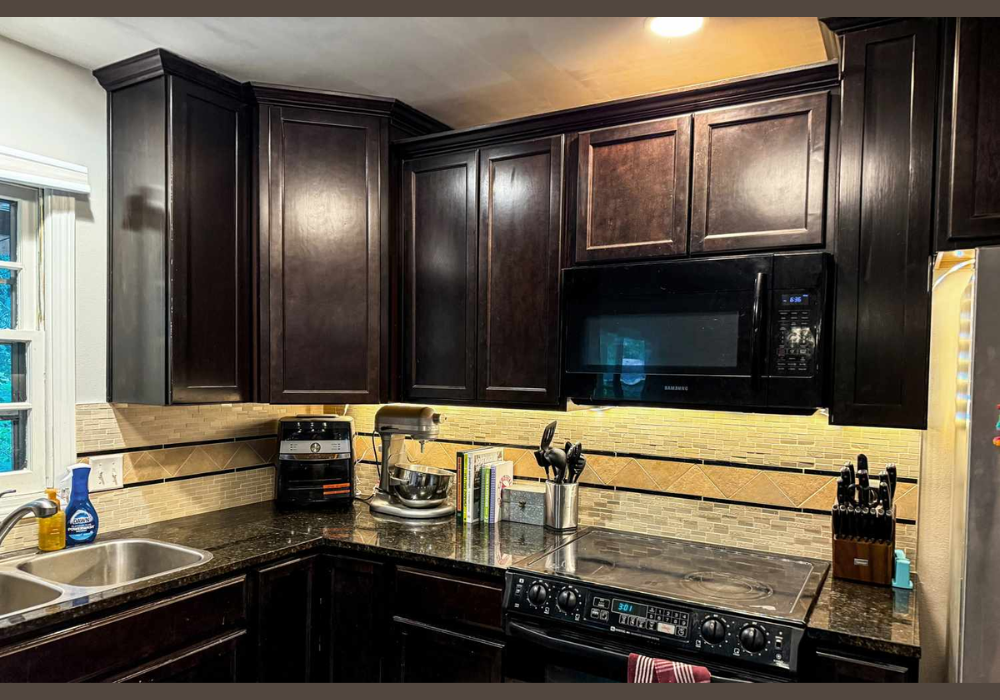
A marble top kitchen island is one of the most visually striking choices you can make for a kitchen renovation. The natural veining patterns in marble are completely unique to each slab, which means your island surface will genuinely be one of a kind. No two marble islands look exactly alike and that individuality is a big part of what makes marble so appealing to homeowners who want their kitchen to feel special.
Marble pairs beautifully with white, cream, and warm grey cabinet bases. The cool tones of white Carrara marble against a warm cream island base create a contrast that feels classic, refined, and genuinely luxurious without being cold or unwelcoming. Add brass hardware and matching brass pendant lights above the island and the result is a kitchen that looks like it belongs in an interior design magazine.
I want to be honest about marble maintenance because a lot of articles skip this part. Marble is a porous natural stone that stains if acidic liquids like lemon juice, wine, or vinegar sit on the surface for any length of time. It also scratches more easily than engineered quartz surfaces. Sealing the marble annually and wiping spills immediately keeps it looking beautiful, but it does require more attention than a quartz or granite surface.
For homeowners who love the look of marble but want lower maintenance, marble effect quartz surfaces offer a very convincing alternative. Modern quartz manufacturers produce surfaces that replicate the veining and tone of natural marble very closely while offering the stain resistance, scratch resistance, and durability of an engineered surface. It is a genuinely practical compromise that suits busy family kitchens very well.
8. Small Kitchen Island Ideas for Compact and Narrow Kitchen Spaces
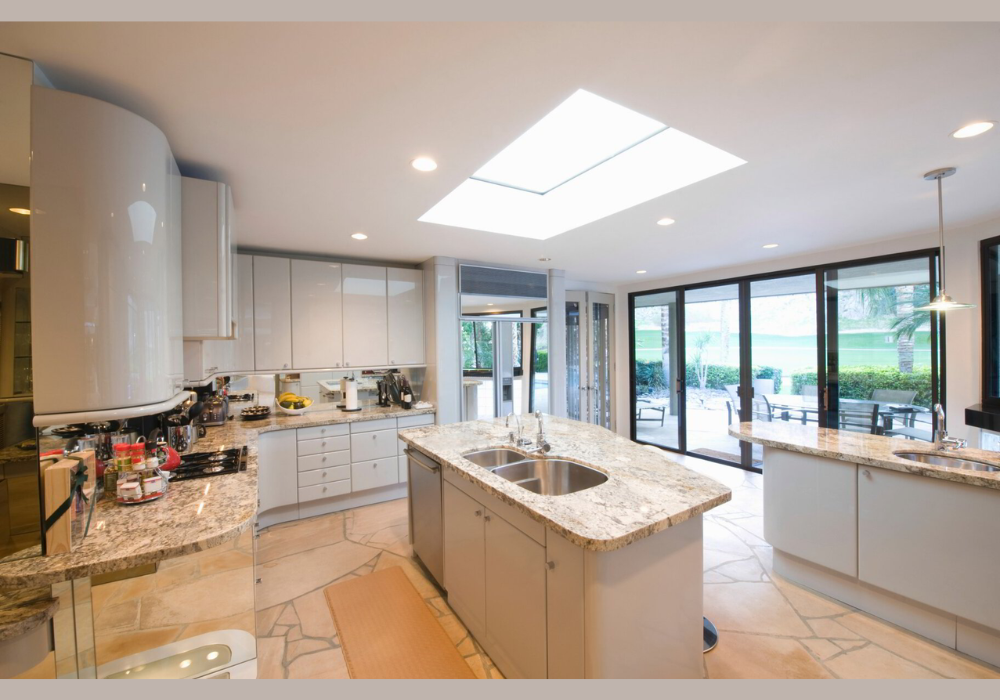
A small kitchen island works brilliantly in kitchens where space is limited but extra counter space and storage are still very much needed. The key is choosing an island that adds genuine function without making the kitchen feel cramped or difficult to navigate. A well proportioned small island improves a compact kitchen enormously. A poorly sized one makes it feel like an obstacle course.
The minimum recommended kitchen island size for a small kitchen is approximately 24 inches wide by 48 inches long. This gives you a useful work surface and enough room for basic storage underneath without consuming too much floor space. Always maintain at least 42 inches of clear walkway on every side of the island to keep the kitchen safe and comfortable to move around in.

Slim freestanding kitchen carts are one of the best small island solutions for compact kitchens. These narrow carts typically measure around 18 to 24 inches wide and 36 to 48 inches long, fitting into spaces where a standard island simply would not work. Many include a butcher block top, one or two drawers, and open shelving below, packing a surprising amount of function into a very compact footprint.
Choosing an island with a light color finish and a slim profile helps a small kitchen feel more open rather than cluttered. A white or natural wood freestanding island with hairpin legs, for example, takes up minimal visual space because the open base allows you to see the floor beneath it. That visual openness makes the kitchen feel significantly less crowded than a solid cabinet based island of the same size.
9. Kitchen Island with Sink for a Highly Functional Cooking Layout
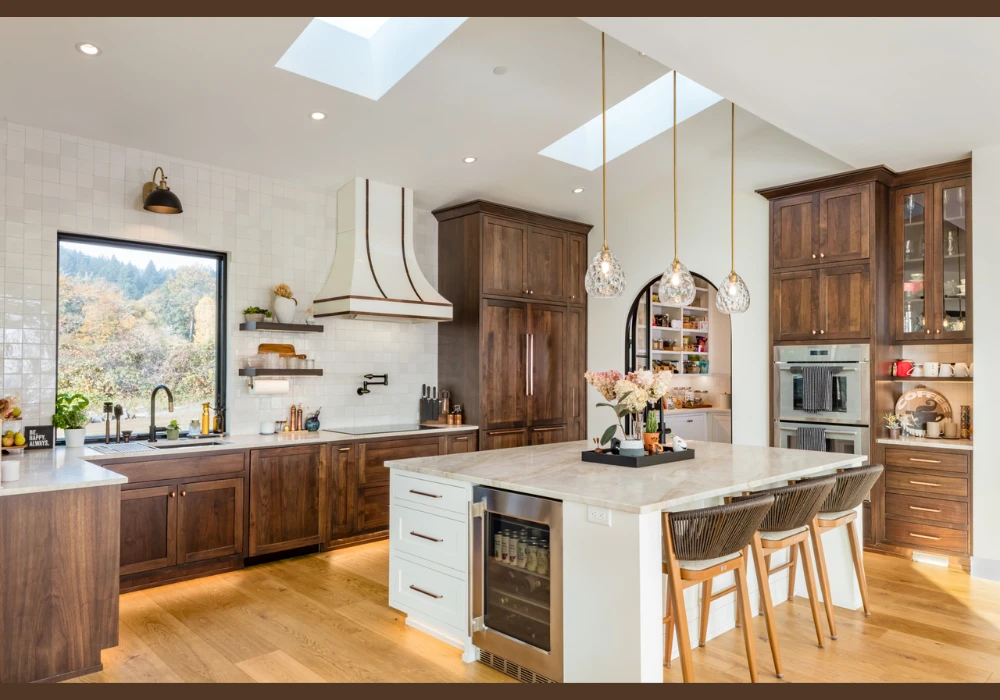
A kitchen island with a built in sink is one of the most functional island configurations available for serious home cooks and busy family kitchens. Moving the sink to the island frees up the perimeter counter space along the wall and creates a much more efficient kitchen workflow. You can wash, prepare, and cook while facing the open kitchen and living space rather than standing with your back to the room.
This configuration suits open plan kitchen and living spaces particularly well. When the sink sits in the island, the person washing up or preparing food faces into the room and can maintain conversations, watch the children, or follow along with whatever is happening in the living space simultaneously. That social connection while working in the kitchen is something people genuinely value once they experience it.
The plumbing requirements for an island sink are more complex than a standard wall mounted sink installation. The drain and water supply lines need to run through the floor rather than through a wall, which typically requires more extensive installation work and higher costs. Factoring in plumbing costs at the planning stage rather than discovering them later saves considerable budget stress during the renovation process.
An island sink works best when paired with a high quality island tap that suits the style of the kitchen. A tall arc tap with good clearance above the basin makes filling large pots and cleaning bulky items much easier. Finish match the tap to your other kitchen hardware including cabinet handles, pendant light fittings, and any other metal details visible in the kitchen for a cohesive and well considered overall design.
10. Colorful Kitchen Island for a Bold and Personality Driven Kitchen Design
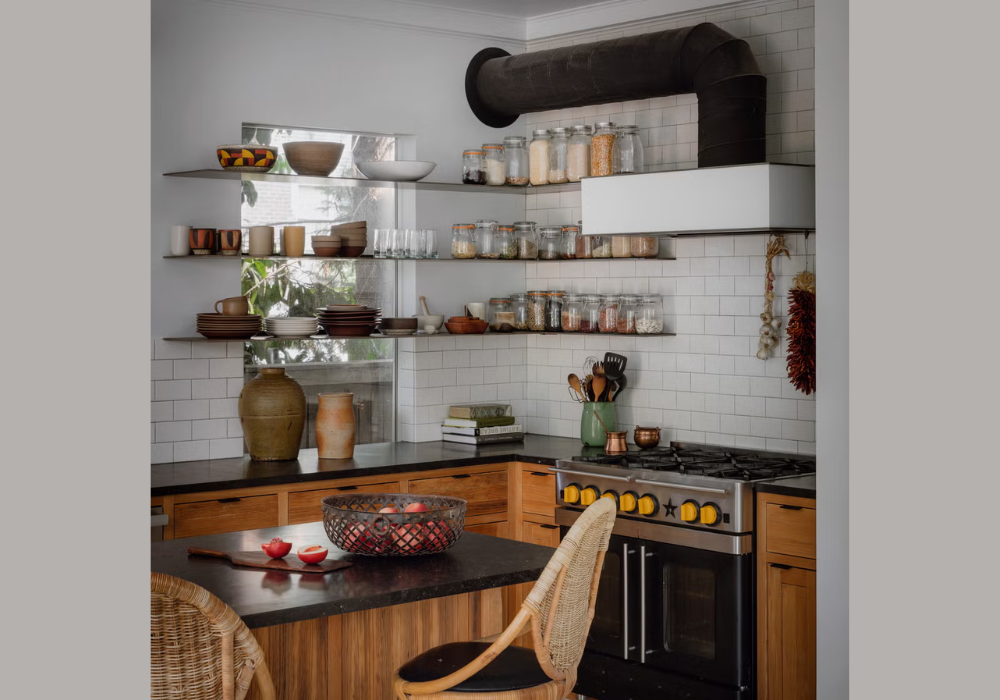
A colorful kitchen island is one of the most direct and satisfying ways to inject personality into a kitchen that feels too neutral or too safe. A single island painted in a confident color like deep forest green, cobalt blue, burnt terracotta, or warm mustard yellow changes the entire energy of the kitchen instantly. It makes the island the undisputed focal point of the room and gives the whole space a character that neutral kitchens simply cannot achieve.
Color works best on the island when the surrounding perimeter cabinets stay relatively neutral in white, cream, or light grey. That contrast between the calm surroundings and the bold island is exactly what makes the colorful island approach so visually effective. If both the perimeter cabinets and the island are strong colors, the kitchen can feel overwhelming and visually restless rather than considered and stylish.
I have seen deep olive green islands work particularly well in kitchens with warm oak flooring and white marble countertops. The green connects naturally to the warmth of the wood and the coolness of the marble, sitting comfortably between both materials in a way that feels very natural and deliberate. It is a combination that looks genuinely expensive without requiring an expensive renovation budget to achieve.
When choosing a color for your kitchen island, consider how that color will look in both natural daylight and artificial evening light. Some colors shift significantly between day and night lighting conditions. Forest green can look rich and warm in daylight but much darker and more intense under artificial light. Always test a paint sample on the actual island surface and observe it across a full day before committing to the full paint job.

11. Waterfall Edge Kitchen Island for a Sleek and Modern Statement
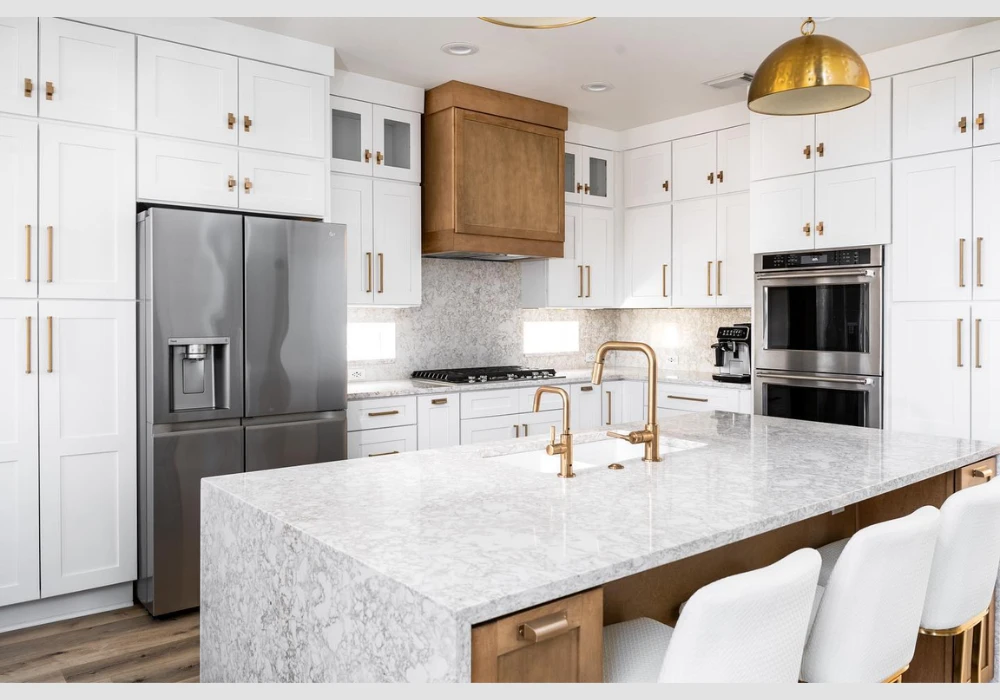
A waterfall edge kitchen island is one of the most architecturally striking design choices available in modern kitchen design today. The countertop material continues vertically down one or both sides of the island all the way to the floor, creating a seamless, uninterrupted flow of material that looks incredibly clean, sculptural, and considered. It is the kind of detail that stops people in their tracks when they walk into a kitchen for the first time.
This design works best with stone materials like marble, quartz, or granite where the continuous surface creates a genuinely dramatic visual effect. A white marble waterfall island with bold grey veining flowing from the top surface down the side panel to the floor is one of the most photographed kitchen design details in contemporary interior design. The effect is striking without being complicated or overdone.
Waterfall edges suit modern, minimalist, and contemporary kitchen styles most naturally. The clean lines and unbroken surfaces align perfectly with handleless cabinet doors, integrated appliances, and the kind of pared back aesthetic that defines modern kitchen design. In a more traditional or farmhouse kitchen, the waterfall edge can feel slightly out of place against more decorative cabinet profiles and hardware styles.
The practical consideration with a waterfall edge island is cost. Extending the countertop material down the sides of the island requires significantly more stone or quartz than a standard top only installation. The cutting and finishing work is also more technically demanding, which adds to the labor cost. Budget for a waterfall island to cost roughly 30 to 50 percent more than a standard island installation using the same surface material.
12. Rustic Farmhouse Kitchen Island for a Warm and Homey Kitchen Feel
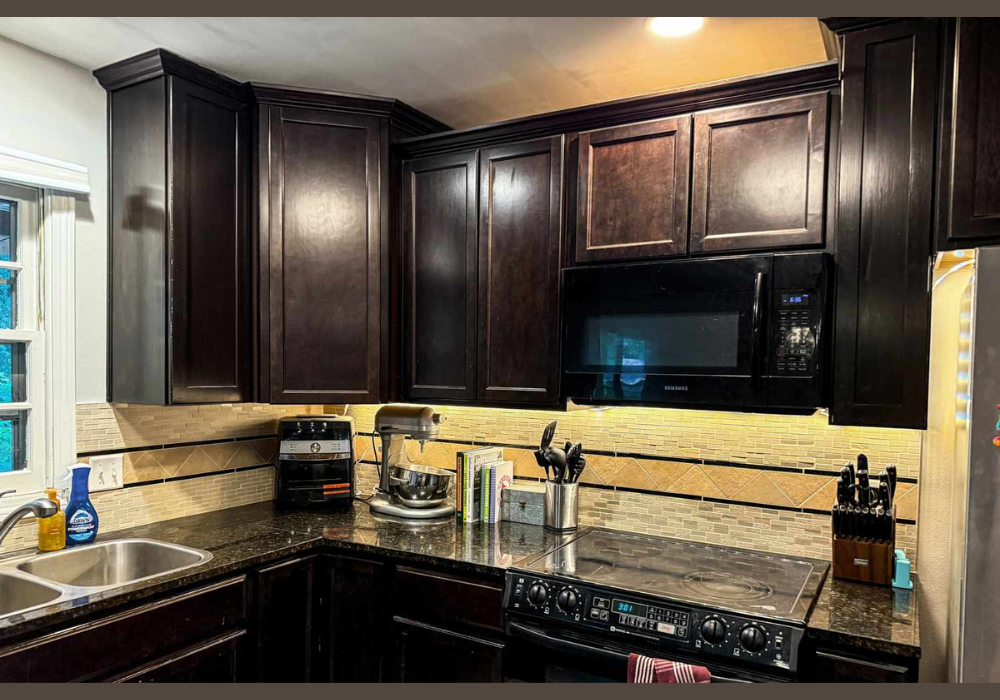
A rustic farmhouse kitchen island brings a genuine sense of warmth, history, and character to the kitchen that newer and more polished designs often lack. These islands typically feature reclaimed wood surfaces, painted or distressed cabinet bases, vintage style hardware in aged brass or black iron, and details that look like they have been collected and loved over many years rather than purchased all at once from a showroom.
Reclaimed wood countertops are one of the defining features of a truly rustic farmhouse island. The natural imperfections in reclaimed timber, the knots, the grain variation, the occasional repair marks, all contribute to a surface that feels authentic and full of character. No two reclaimed wood surfaces look the same and that uniqueness is a significant part of their appeal to homeowners who want a kitchen with a genuine sense of personality.
A distressed painted finish on the island cabinet base adds to the farmhouse aesthetic in a very effective way. A soft white, sage green, or warm grey base lightly distressed at the edges and corners creates the impression of an island that has been part of the kitchen for decades rather than installed last month. This aged quality gives the kitchen a relaxed, unpretentious atmosphere that feels genuinely comfortable to spend time in.
Farmhouse islands pair beautifully with open shelving, apron front sinks, shaker cabinet doors, and vintage inspired lighting. If you already have any of these elements in your kitchen, a rustic island will tie them all together very naturally. The style rewards layering and collecting over time, which means you can add to and evolve the look gradually rather than needing to achieve everything in a single renovation.
13. Kitchen Island with Built In Storage Drawers for a Highly Organised Kitchen
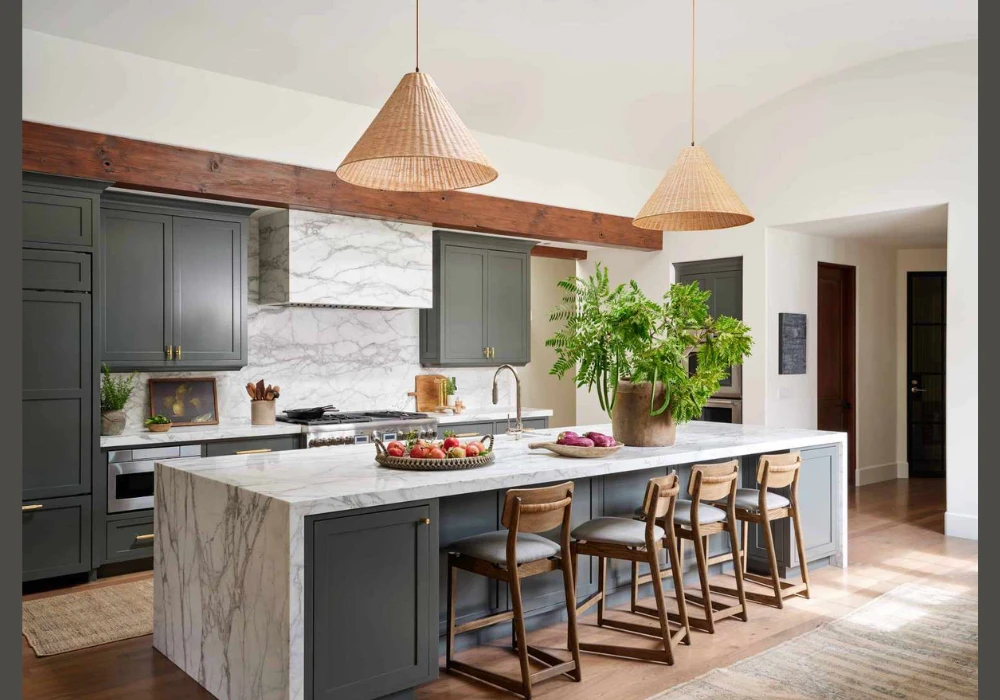
A kitchen island with built in storage drawers is one of the most practical island configurations for homeowners who struggle with kitchen organisation and storage space. Deep drawers built into the island base provide far more accessible storage than standard cabinet shelves because you can see and reach everything inside without needing to crouch down and search through the back of a dark cupboard. Everything sits visible and within easy reach.
Deep pan drawers are one of the most popular built in storage choices for kitchen islands. A single deep drawer can hold multiple large pots, pans, and lids in a single layer, making them immediately accessible when you need them during cooking. Compare this to a standard cabinet where pots stack on top of each other and retrieving the one at the bottom requires removing everything above it first.

Drawer dividers and internal organisers make built in island drawers even more functional. Cutlery drawers with fitted wooden dividers, spice drawer inserts that hold jars at a slight angle for easy label reading, and utensil organisers that keep cooking tools tidy and separated all transform a standard drawer into a genuinely efficient storage system. These internal fittings cost relatively little but make a big difference to daily kitchen organisation.
When planning island drawer storage, think carefully about what you want to store in each drawer before the island is built or purchased. Placing the deepest drawers at the lowest level and shallower drawers at counter height makes ergonomic sense and keeps the most frequently used items at the most convenient access height. A little planning at this stage prevents a lot of daily frustration once the kitchen is in use.
14. Kitchen Island with Integrated Appliances for a Fully Functional Cooking Hub
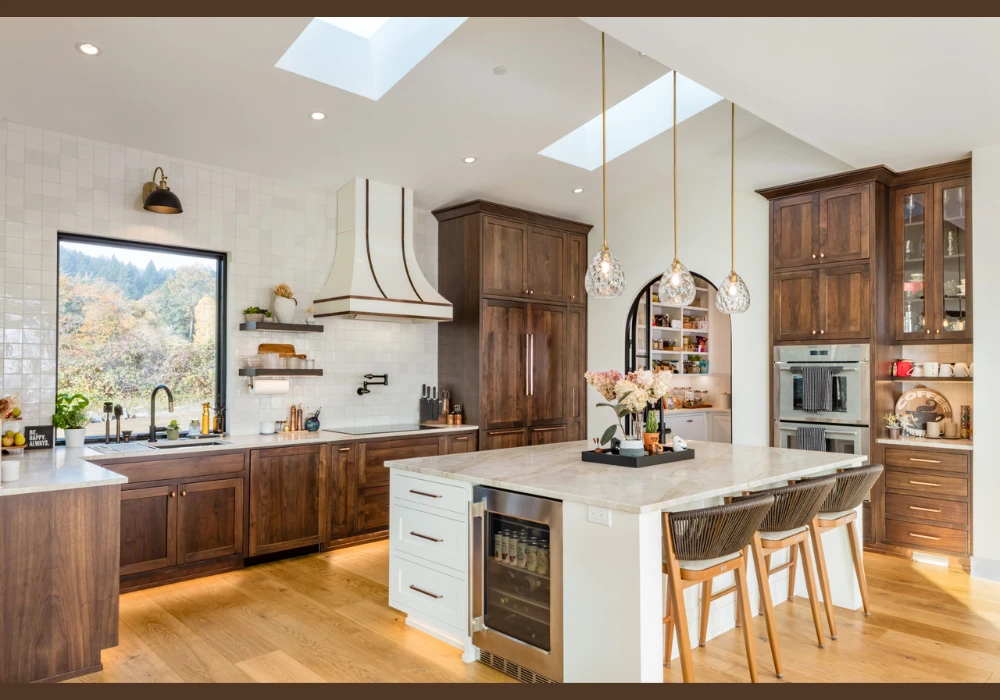
A kitchen island with integrated appliances takes the concept of a functional island to its most complete and capable level. Built in appliances like a wine cooler, a dishwasher, a microwave drawer, a warming drawer, or even a second sink can all be integrated into a large island to create a genuinely self sufficient cooking and entertaining hub at the centre of your kitchen.
A wine cooler integrated into the end panel of a kitchen island is one of the most popular and practical appliance additions for homeowners who entertain regularly. It keeps wines at the correct serving temperature, places them within easy reach of the island dining area, and adds a hospitality focused detail that guests genuinely notice and appreciate. Slim under counter wine coolers fit neatly into standard cabinet openings without requiring any special island dimensions.
A built in microwave drawer integrated below the island countertop is another genuinely useful addition for busy family kitchens. Microwave drawers pull open horizontally rather than swinging out on a hinge, which makes them more ergonomic to use and significantly safer for children who need to access the microwave independently. Keeping the microwave in the island also frees up valuable counter space along the kitchen wall for other uses.
Planning integrated appliances into a kitchen island requires careful coordination between your kitchen designer, your appliance supplier, and your electrician at an early stage of the project. Each appliance needs its own dedicated electrical circuit, adequate ventilation clearance, and precise cabinet opening dimensions to fit and function correctly. Getting these technical details right from the very beginning prevents expensive modifications later in the build process.
Kitchen Island Planning Guide Sizes, Clearances, and Key Decisions
Planning a kitchen island properly before committing to any purchase or installation saves significant time, money, and frustration. Here is a practical planning framework covering the most important decisions every homeowner needs to make.
| Kitchen Size | Recommended Island Size | Minimum Clearance Needed |
|---|---|---|
| Small Kitchen under 150 sq ft | 24 x 48 inches | 42 inches all sides |
| Medium Kitchen 150 to 250 sq ft | 36 x 60 inches | 42 to 48 inches all sides |
| Large Kitchen 250 to 400 sq ft | 48 x 72 inches | 48 inches all sides |
| Open Plan Kitchen over 400 sq ft | 48 x 96 inches or larger | 48 to 60 inches all sides |
Conclusion
A kitchen island is one of the most worthwhile investments you can make in your home. It adds counter space, storage, seating, and a genuine focal point to the kitchen that improves both the function and the feel of the room every single day. The right island makes your kitchen work better and feel more like the heart of your home.
Across these 14 ideas I covered everything from classic white islands and bold two tone designs to waterfall edge statements, rustic farmhouse styles, and fully integrated appliance hubs. Each idea suits a different kitchen size, style, and budget, so whether you are planning a major renovation or simply want to add a freestanding cart to a rental kitchen, there is a genuine and practical option here for you.

My strongest advice is to measure your kitchen carefully, define your top three priorities, and choose an island that serves your real daily needs rather than just looking impressive in a photograph. The best kitchen island is the one that fits your space perfectly, suits your cooking style honestly, and makes your kitchen genuinely more enjoyable to use every single day.
FAQs
The minimum practical kitchen island size is approximately 24 inches wide by 48 inches long. This gives you a usable work surface and basic storage without consuming excessive floor space. Always maintain at least 42 inches of clear walkway on every side of the island for safe and comfortable movement around it in daily use.
Kitchen island costs vary widely depending on the type and specification. A basic freestanding island or kitchen cart costs between 200 and 800 dollars. A mid range fitted island with stone countertop costs between 3,000 and 8,000 dollars including installation. A large bespoke island with integrated appliances, a sink, and premium stone surfaces can cost 15,000 dollars or more depending on the materials and complexity involved.
Yes, a well designed and properly proportioned kitchen island adds genuine value to a home. Kitchen improvements consistently deliver strong returns on investment at resale and an island is one of the most desirable kitchen features for potential buyers. The key is ensuring the island suits the size of the kitchen and does not make the space feel cramped or difficult to navigate
Quartz is the most practical countertop material for most kitchen islands because it combines excellent durability with very low maintenance requirements. It resists staining, scratching, and heat better than marble and requires no annual sealing. For homeowners who prioritise natural material character over practicality, marble and butcher block both offer beautiful results with appropriate care and maintenance.
Yes, small kitchens can accommodate an island if you choose the right size and type. A slim freestanding cart measuring 18 to 24 inches wide fits into compact kitchens where a standard island would not. The critical rule is maintaining 42 inches of clear walkway on every side of the island. If your kitchen cannot accommodate the island and the clearance simultaneously, a freestanding cart or a peninsula layout will serve you better.
