
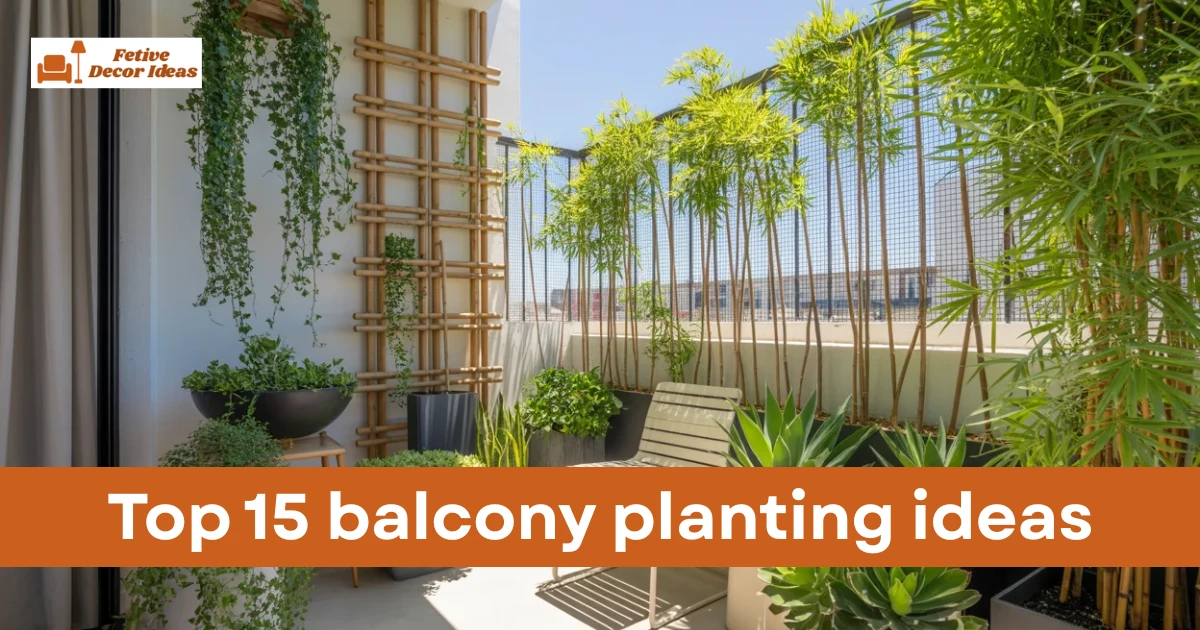

I know the feeling of looking at a tiny, bare balcony and wondering if anything besides a lonely chair can fit there. Most people think you need a massive backyard to grow a garden, but that is just a common myth.
My own balcony used to be a graveyard for dead leaves and old storage boxes until I finally got smart about plant choices. You really only need a bit of dirt, some sunlight, and a plan that doesn’t involve turning your floor into a swamp.
I want to help you turn that concrete slab into a green retreat without spending a fortune or losing your mind. We are going to look at realistic ways to grow plants even if your balcony is the size of a postage stamp.
Planning Your Balcony Garden Success
Before you buy every green thing at the local shop, you need to check how much sun your space actually gets. Some plants love to bake in the heat, while others will shrivel up and die the moment a sunbeam hits them.
I also learned the hard way that wind is a silent killer for balcony plants living on higher floors. High winds dry out the soil faster than you can say water, so choosing sturdy pots is a smart move for safety.

Weight is another factor that most people completely ignore until they see a crack in the floor. I always recommend using lightweight potting mix and plastic or resin containers to keep the total load manageable for the structure.
1. Top Tiered Wooden Plant Stands
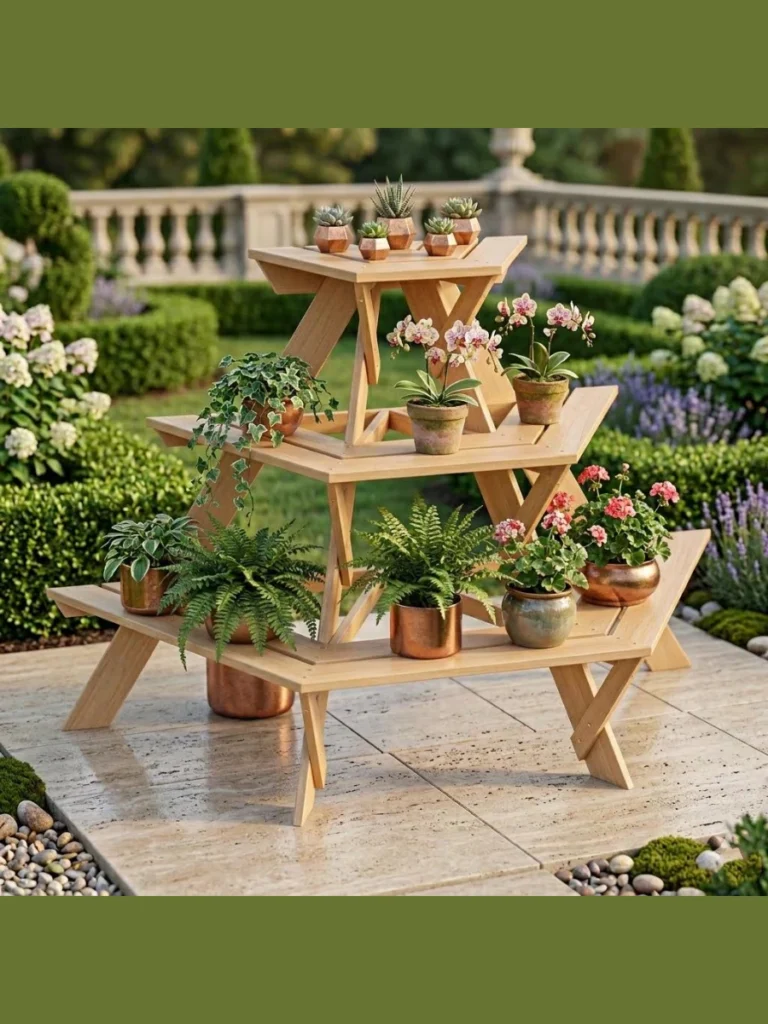
I love tiered stands because they let you grow a dozen plants while only taking up a single square foot of floor space. They act like a ladder for your greens, giving each leaf a fair shot at catching those morning sun rays.

You should look for stands made of cedar or treated pine to handle the rain without rotting away in a month. I find that the vertical layout also makes watering much easier since you can start at the top and let it drip.
Most of these stands are very affordable and easy to move around if you decide to change your layout later. I suggest placing your sun hungry succulents at the top and keeping the shade loving ferns on the lower shelves for balance.
It is a simple way to create a wall of color that hides that boring brick or siding behind your seating area. Plus, it keeps your floor clear so you actually have a place to put your feet while you drink your coffee.
2. Professional Railing Planter Boxes
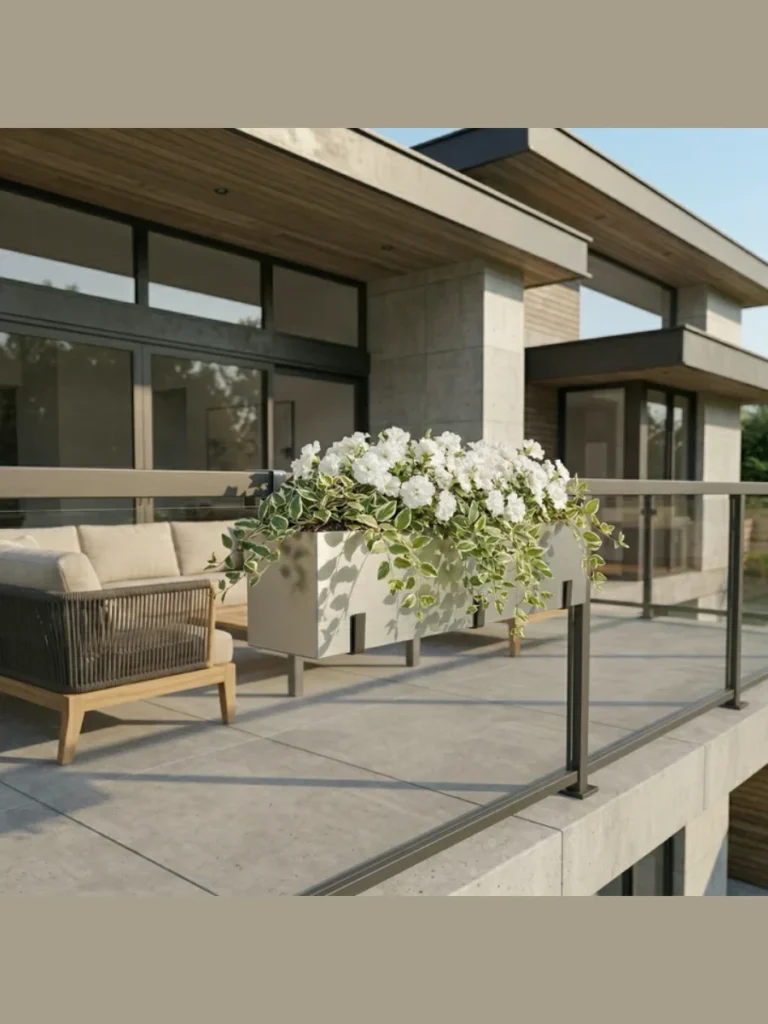
Railing planters are the best invention for anyone who has zero floor space but plenty of metal bars around them. They sit right on the edge of your world, showing off your gardening skills to the entire neighborhood without any effort.

I always tell my friends to double check the brackets to make sure the boxes stay put during a summer storm. Nobody wants a heavy pot of soil falling three stories down onto a parked car or a confused neighbor.
I prefer growing trailing flowers like petunias in these because they spill over the sides in a beautiful waterfall of color. It creates a natural privacy screen that looks much better than a plastic fence or a dusty old curtain.
You can find these in plastic, metal, or even soft felt bags depending on the look you want to achieve. Just make sure they have proper drainage holes so your plants do not end up sitting in a mini bathtub.
3. Vertical Wall Herb Gardens
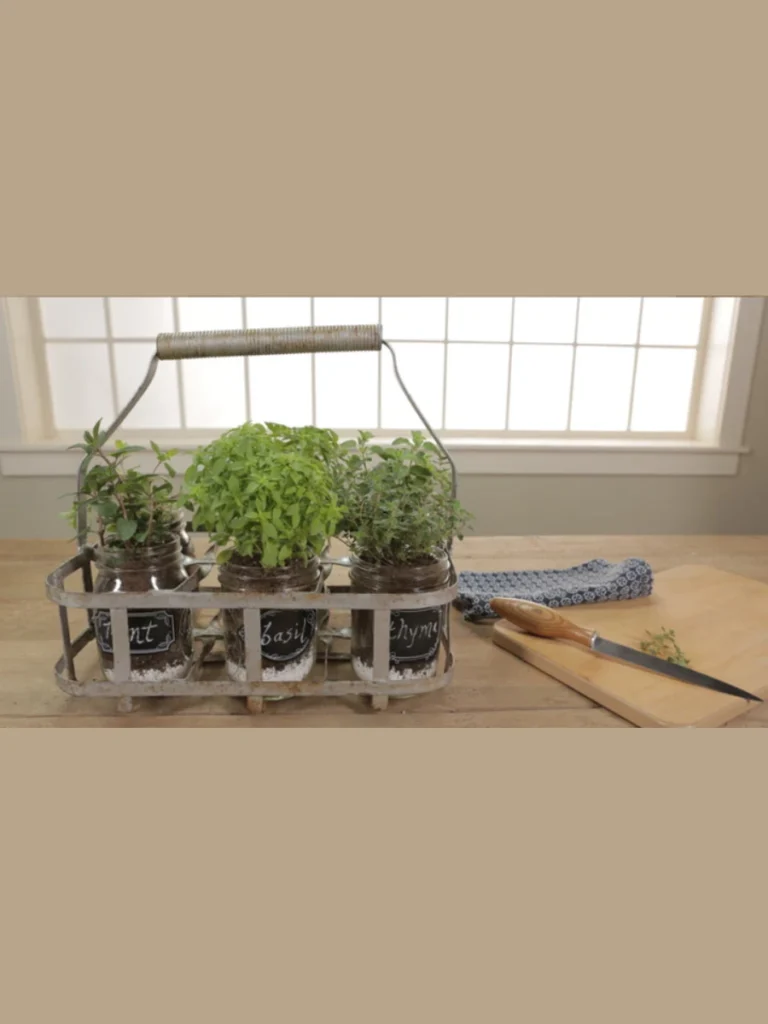
If you want to cook like a pro, you need fresh herbs right outside your kitchen door for easy picking. I installed a vertical pocket system on my wall last year and it changed the way I season my evening meals.

These hanging felt pockets are great because they allow the roots to breathe and prevent the soil from getting too compacted. You can grow basil, mint, and cilantro all in one vertical line without needing a single pot on the ground.
I suggest keeping this setup near a spot that gets at least four hours of light for the best herb growth. It is much cheaper than buying those sad, wilted plastic grocery store herbs that turn into slime in two days.
Just be careful with mint because it grows like a weed and will try to take over every other pocket. I keep my mint in its own separate container to prevent it from bullying the sensitive cilantro and parsley plants.
4. Large Statement Floor Pots
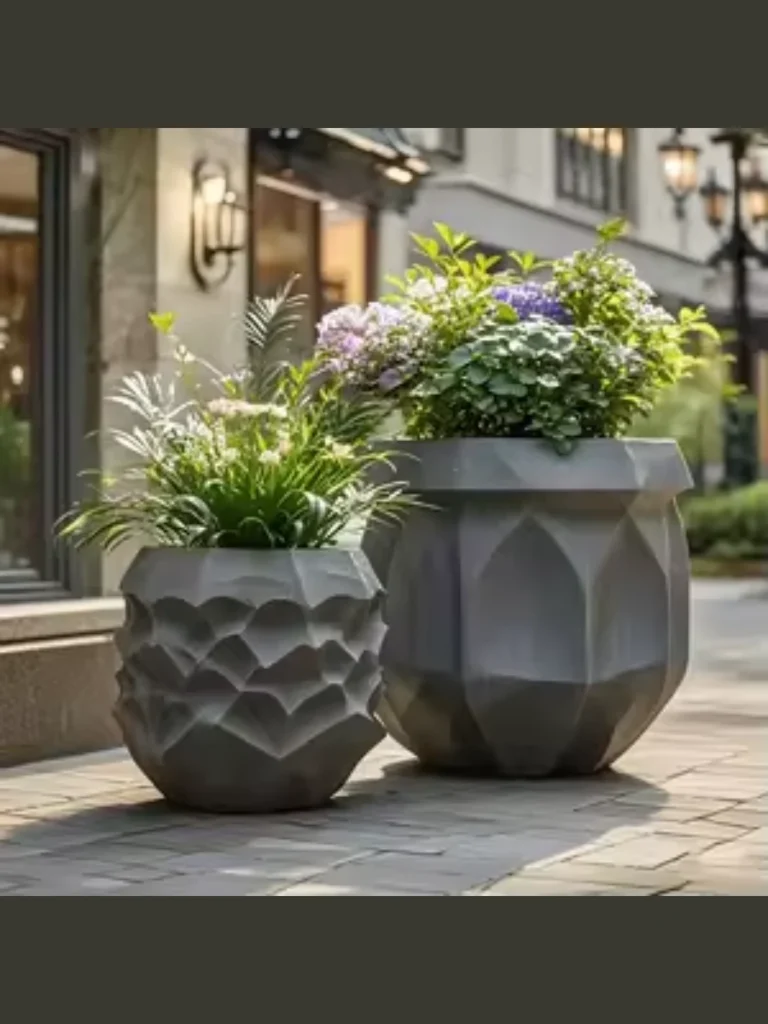
Sometimes you just need one big, bold plant to act as the anchor for your entire outdoor design. I like using a single oversized pot with a tall plant like a dwarf citrus tree or a sturdy palm.
A large pot holds more moisture, which means you won’t have to water it every single hour during the July heat. It gives the balcony a more permanent and professional feel rather than looking like a collection of tiny random cups.
I usually go with a neutral color for the pot so the bright green leaves are the star of the show. Using a rolling plant caddy underneath is a life saver for moving these heavy beasts when you need to clean the floor.

Make sure the pot has a saucer underneath to catch the excess water before it runs off onto the balcony below. Your downstairs neighbors will thank you for not raining muddy water on their laundry every time you tend your garden.
5. Best Trailing Ivy for Shade
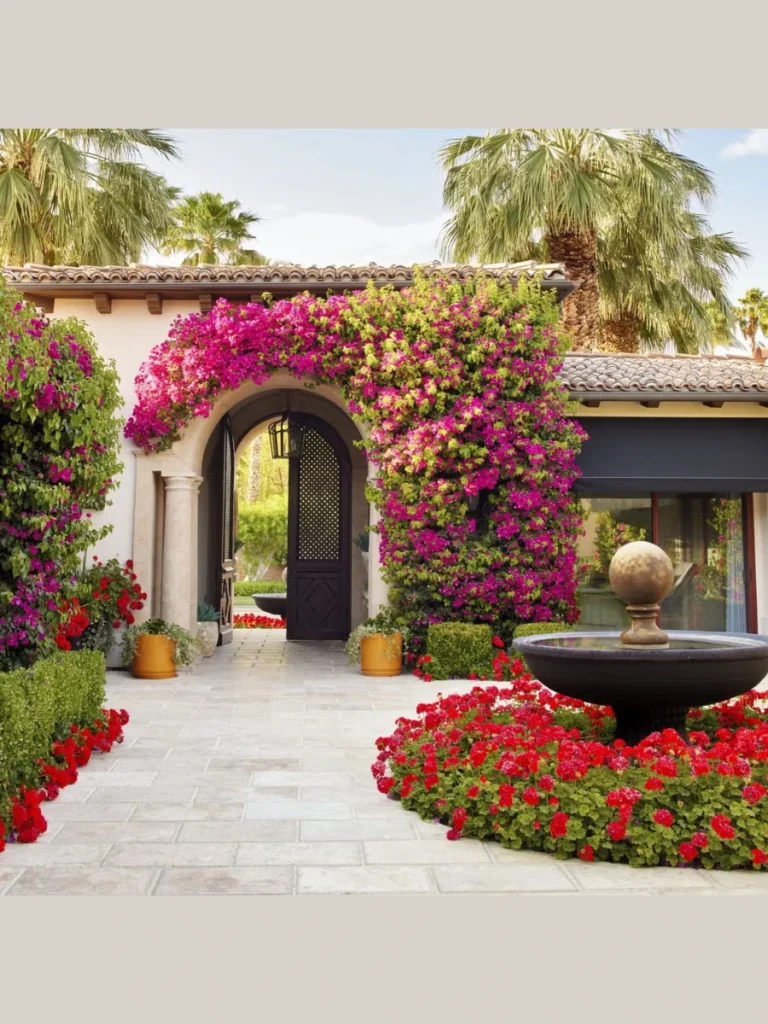
Not every balcony is blessed with blinding sunlight, but that doesn’t mean you are stuck with a bare space. I find that English ivy or Boston ferns thrive in those dark corners where other plants go to meet their end.
Ivy is incredibly hardy and will grow long vines that you can train to wrap around your railing or walls. It stays green all year round, giving you something nice to look at even when the winter weather turns grey.
I appreciate how ivy filters the air and brings a classic, cozy feeling to a cold concrete or metal area. It is the perfect choice for busy people because it really does not mind if you forget to water it occasionally.
You should trim the vines every few months to keep them from growing into places where they are not invited. If you let it go too long, you might find the ivy trying to crawl through your window and into your living room.
6. Affordable Hanging Basket Displays
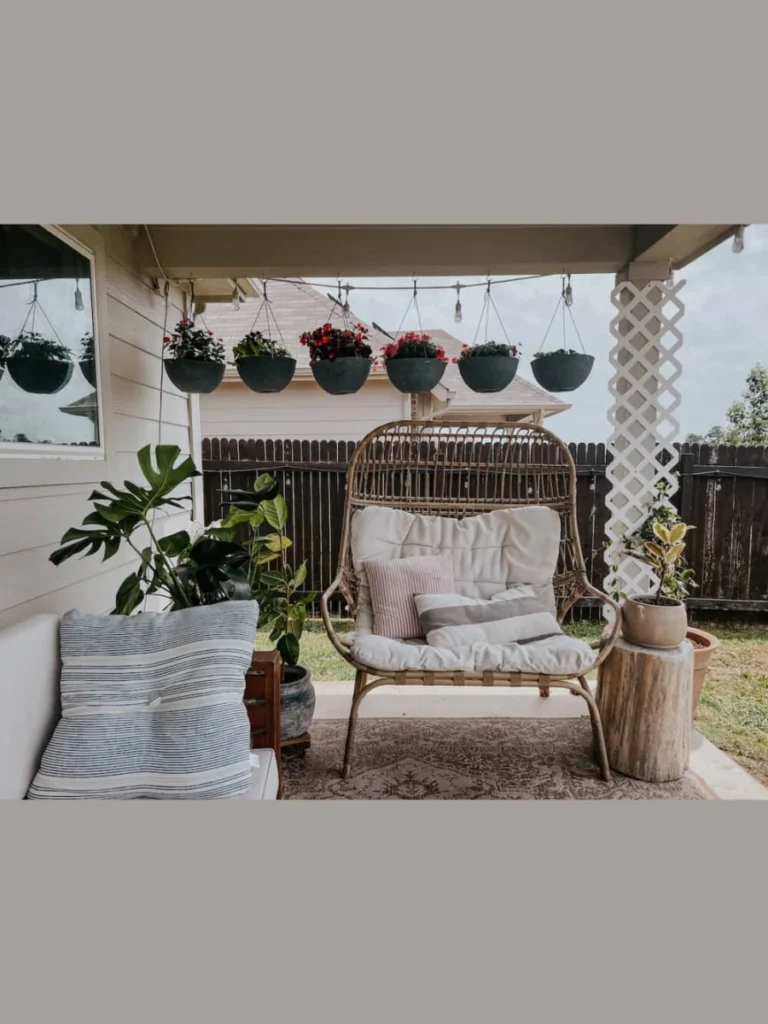
I think hanging baskets are the most underused trick for making a small balcony feel like a lush garden paradise. They draw the eye upward and utilize the ceiling space that would otherwise just be home to a few dusty spiderwebs.

I usually go with colorful fuchsias or trailing lobelia because they look like living chandeliers when they are in full bloom. It is a great way to add a pop of color at eye level while keeping your floor clear for chairs.
You need to be a bit careful with the hooks you use to make sure they can handle the weight of wet soil. I always check the ceiling or the overhanging beam to ensure it is sturdy enough to support a heavy, swinging plant.
One thing I have learned is that hanging plants dry out much faster than pots sitting on the ground due to the air. You might need to water these every morning, but the sight of flowers floating in the air is worth the extra minute.
7. Compact Strawberry Pallet Planters
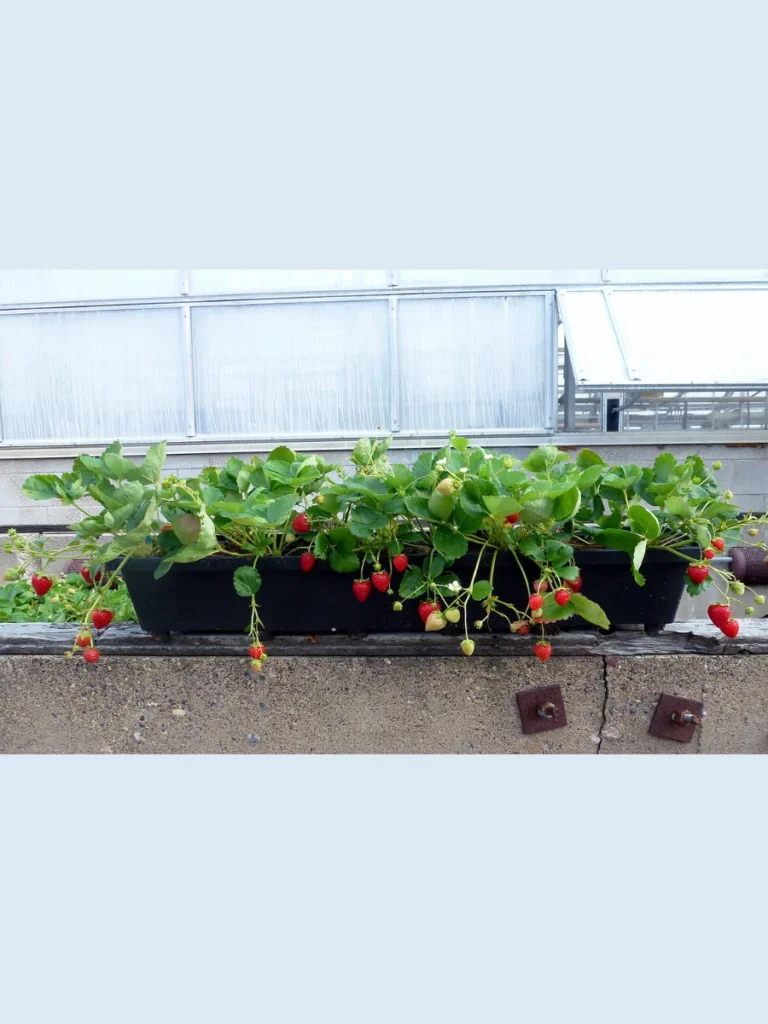
If you enjoy fresh fruit but lack a yard, a vertical pallet planter is a brilliant way to grow berries. I picked up an old wooden pallet for free and turned it into a strawberry tower that looks rustic and charming.
You simply lean the pallet against a sturdy wall and fill the gaps with high quality potting soil and small berry starts. It creates a vertical wall of food that makes snacking during your afternoon break very convenient and fun.
I find that strawberries love the drainage provided by this setup because their roots never get too soggy or rotten. It also keeps the fruit off the ground, which prevents those pesky slugs from eating your harvest before you do.
I recommend painting or staining the wood first to match your balcony decor and protect it from the outdoor elements. It is a satisfying weekend project that yields delicious rewards all summer long while saving a ton of floor space.

8. Best Privacy Screen Bamboo Troughs
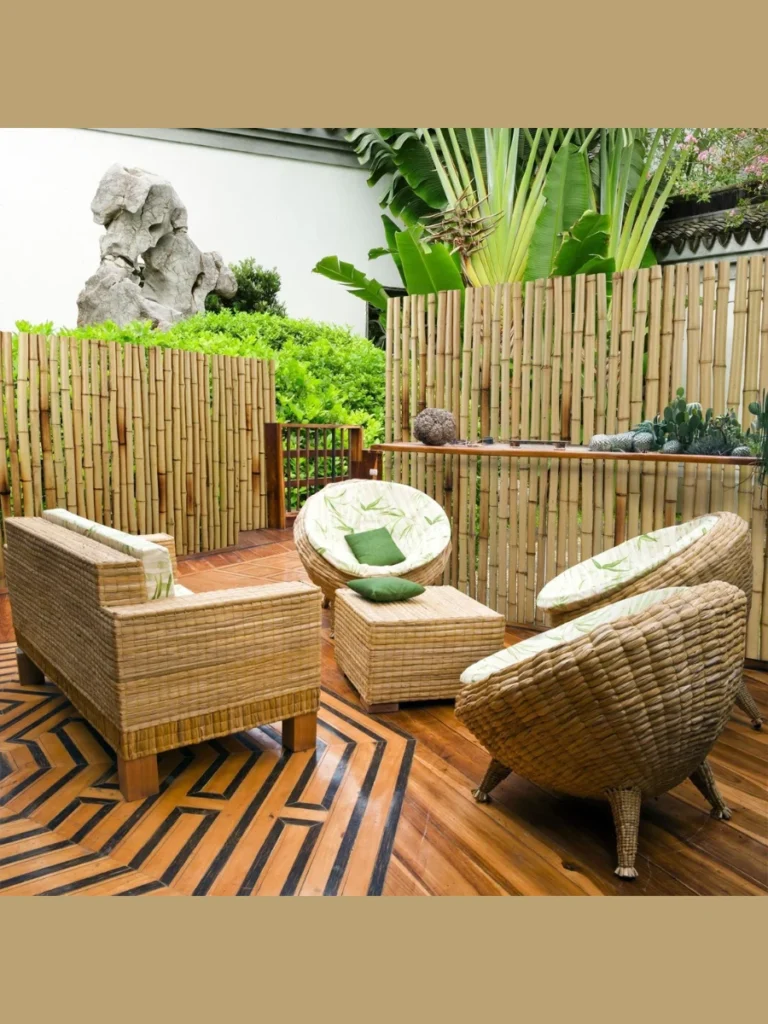
Living in an apartment often feels like you are sharing your life with everyone across the street or next door. I solved this by planting tall bamboo in long, narrow trough containers to create a natural, swaying privacy fence.
Bamboo grows incredibly fast and provides a thick wall of green that blocks out prying eyes without feeling like a wall. It also makes a lovely rustling sound in the breeze that helps drown out the annoying sound of city traffic.
I always suggest buying the “clumping” variety of bamboo so it stays contained within your pot and doesn’t go crazy. Running bamboo can be a nightmare to manage, even in a container, so stick to the well behaved types for peace.
These troughs are perfect for placing along the edge of your railing to define your space and make it feel private. It turns a public facing balcony into a secluded sanctuary where you can relax in your pajamas without any worries at all.
9. Colorful Succulent Rock Gardens
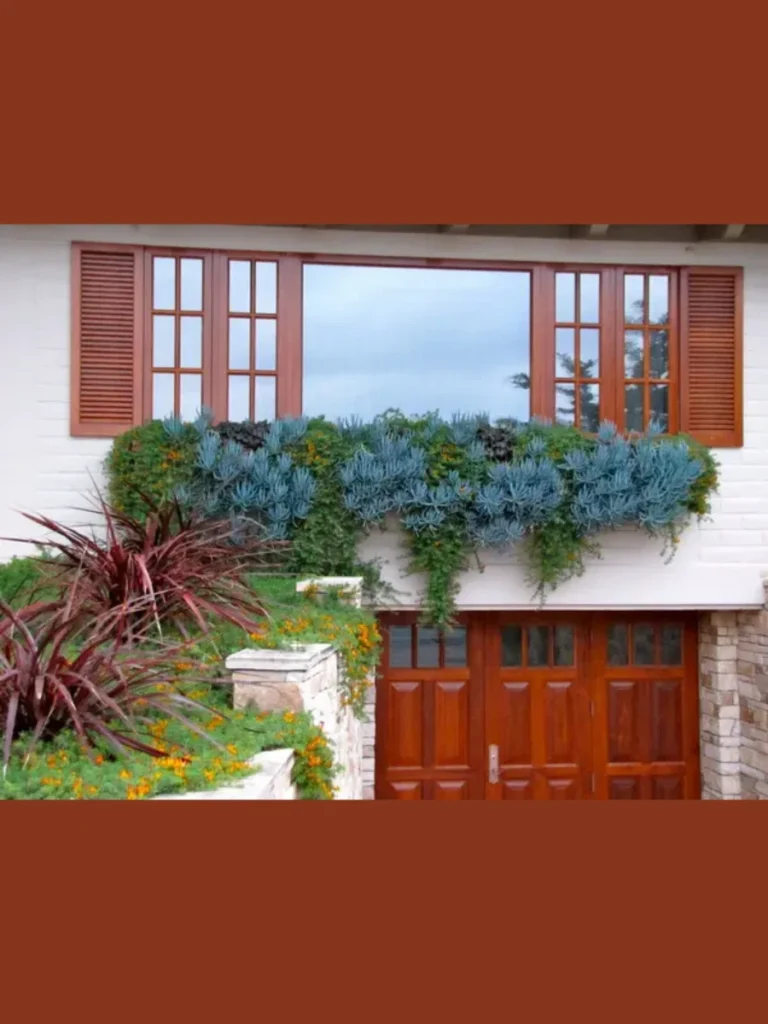
For those of us who sometimes forget that plants need water to live, succulents are the absolute best friends to have. I keep a shallow bowl filled with different shapes and colors of Echeveria and Sedum on my bistro table.
They are basically the camels of the plant world and can go days or even weeks without a single drop of water. I love how they come in shades of blue, purple, and bright orange, making them look like living pieces of art.
I usually add a layer of white pebbles or colorful sea glass on top of the soil to give it a clean look. This helps hold the plants in place and prevents the soil from splashing out when you eventually remember to water them.
Succulents are very happy in small pots, so you can scatter them around on windowsills or small ledges without much fuss. They don’t grow very fast, meaning you won’t have to repot them every single season to keep them happy.
10. Flowering Trellis for Climbing Roses
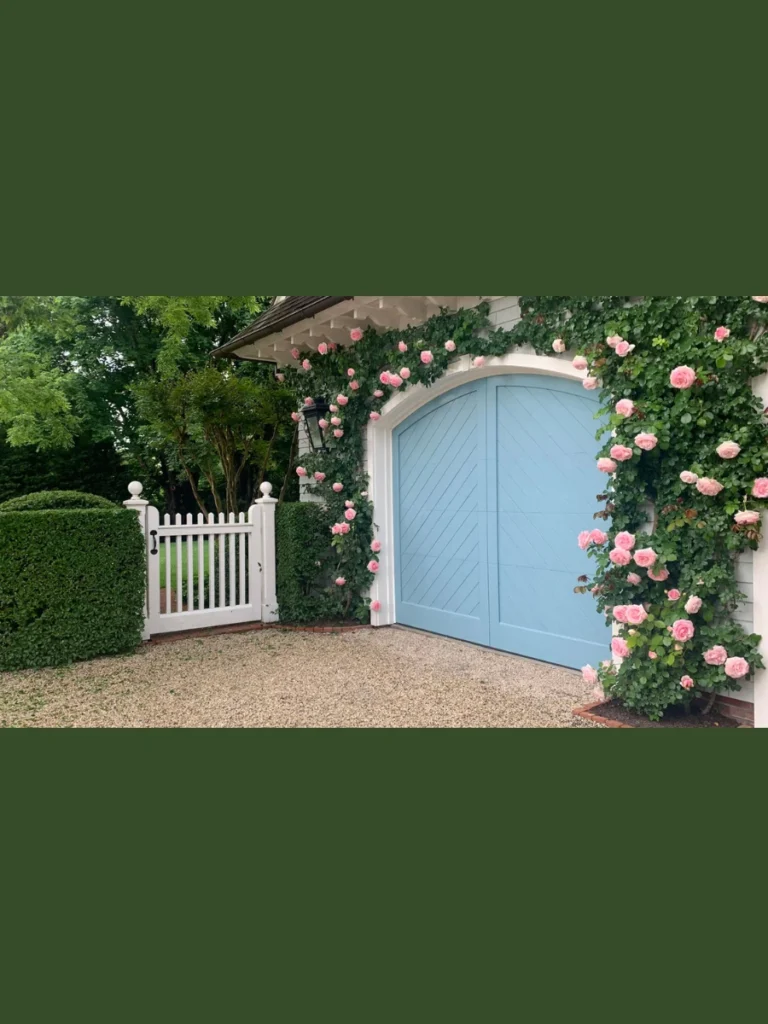
There is something very romantic about having roses climbing up the wall of a balcony in the middle of a city. I installed a simple wooden trellis against my back wall to give a climbing rose bush a place to stretch.

It adds a lot of height to your garden and fills the air with a scent that beats any expensive candle. You just need to tie the young stems to the trellis occasionally to guide them in the direction you want.
I recommend choosing a variety that is known for being disease resistant so you don’t spend all your time fighting off garden pests. Roses do need a bit more food than other plants, so a regular dose of fertilizer is a smart move.
Seeing those bright red or pink blooms against a brick wall makes the whole balcony feel much more expensive and polished. It is a classic look that never goes out of style and provides a great backdrop for your outdoor photos.
11. Easy Fragrant Lavender Pots
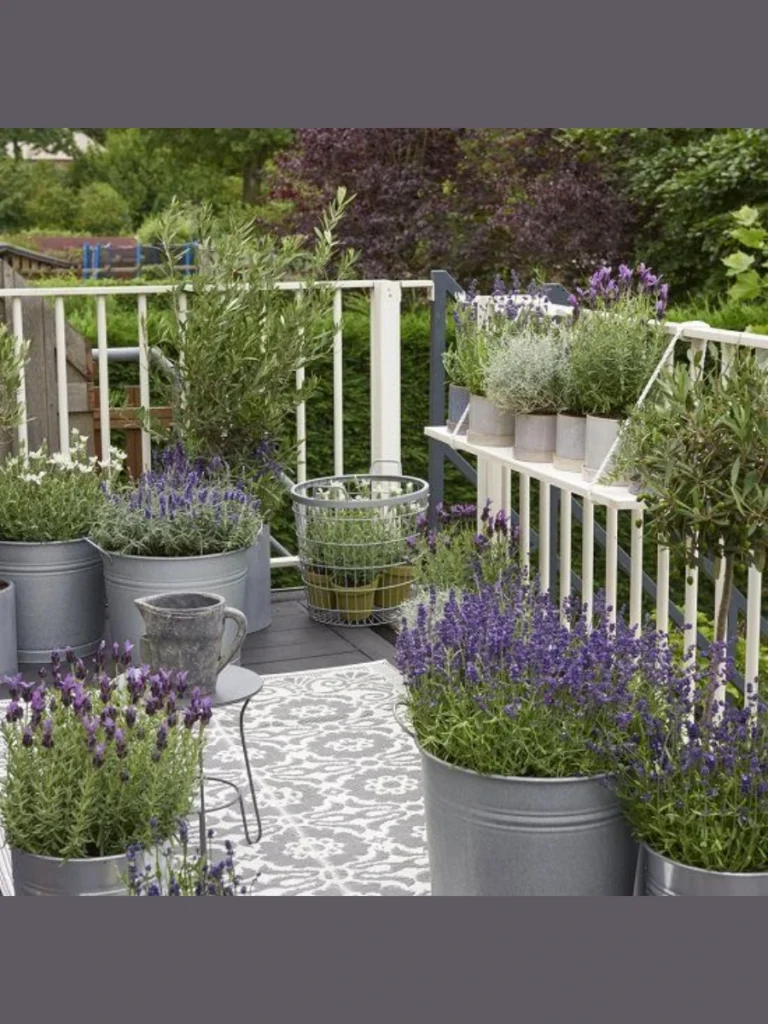
I always keep a few pots of lavender near my balcony door because the scent is incredibly relaxing after a long day. It feels like a tiny trip to the French countryside every time the wind blows through my outdoor seating area.
These plants love the heat and don’t mind if the soil gets a bit dry, which is perfect for sunny balconies. I find that the silvery green leaves look beautiful even when the purple flowers aren’t in full bloom during the year.
I suggest using terracotta pots for lavender because they allow the soil to breathe and prevent the roots from staying wet. It is a very sturdy plant that can handle a bit of neglect while still looking like a professional garden.
Plus, bees and butterflies absolutely love lavender, so you get to enjoy a bit of nature right outside your window. It is a simple way to add color and a wonderful smell to your space without needing much equipment at all.
12. Smart Self Watering Veggie Troughs
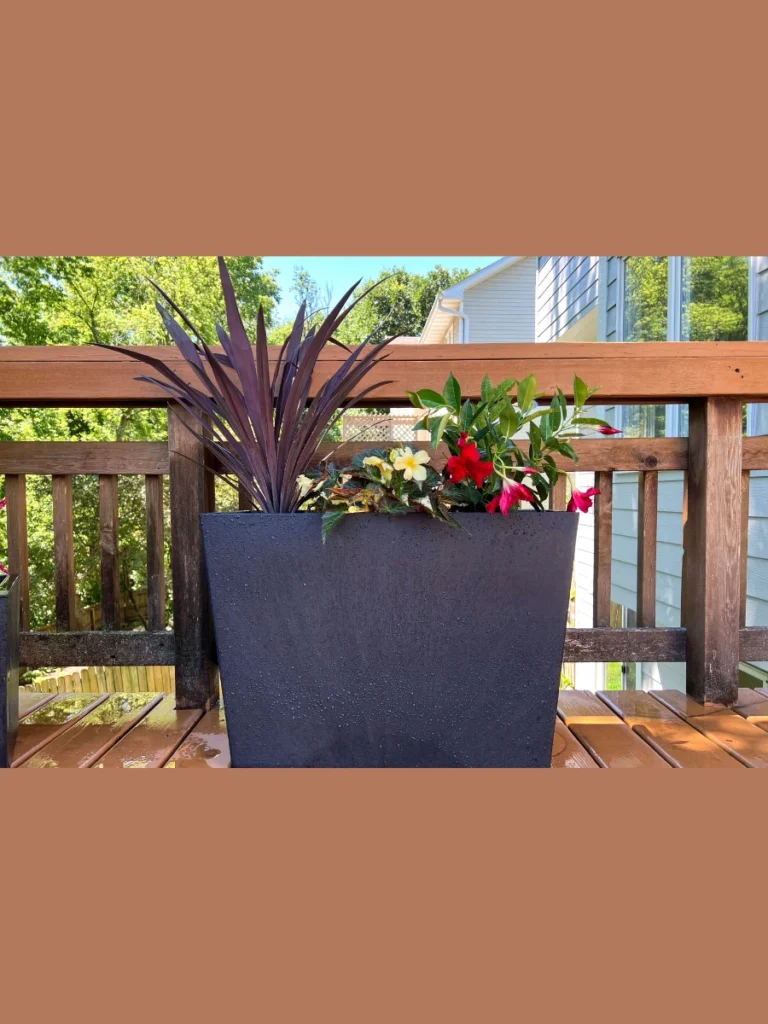
If you are a bit forgetful like me, self watering containers are the greatest gift you can give to your balcony garden. I started growing cherry tomatoes and peppers in these troughs, and they have never looked healthier or more vibrant.
These pots have a hidden reservoir at the bottom that holds water and lets the plants drink whenever they feel thirsty. It takes the guesswork out of gardening and ensures your veggies don’t wilt the moment the sun gets hot.
I love being able to walk outside and grab a handful of fresh tomatoes for my salad without leaving my home. It is a very rewarding way to use your balcony space for something that actually saves you money at the grocery store.

You just need to refill the water tank every few days, which is much easier than hauling a heavy watering can daily. It is the best solution for busy people who want to grow their own food but have a very tight schedule.
13. Low Maintenance Ornamental Grasses
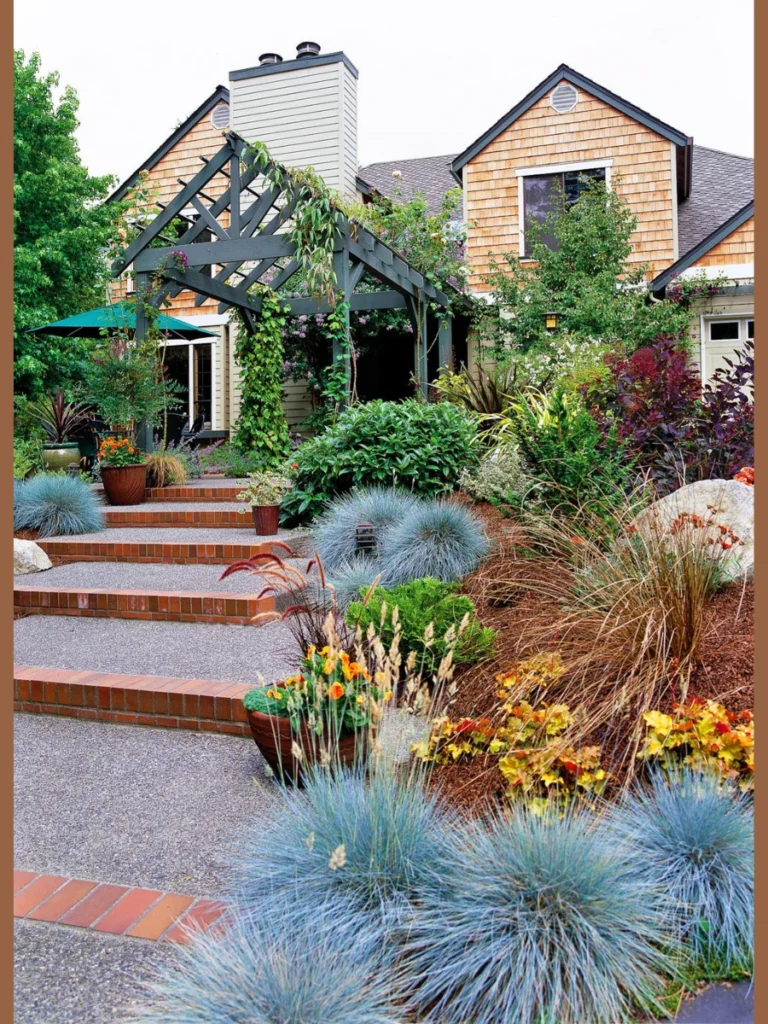
I think ornamental grasses are perfect for adding movement and a modern look to a contemporary balcony design. I use fountain grass in tall, sleek pots to create a soft, feathery texture that looks great in the sunlight.
These grasses are very tough and can survive the windy conditions that often occur on higher apartment floors. They don’t require any deadheading or complicated pruning, making them a very low effort choice for any beginner gardener.
I enjoy how the long blades of grass dance in the breeze and create a peaceful sound that is very soothing. It adds a layer of sophistication to the balcony that makes it feel like a professionally designed outdoor lounge area.
You can find varieties that stay small or ones that grow quite tall depending on how much privacy you want to create. They stay looking good well into the autumn, providing visual interest long after your summer flowers have faded away.
14. Best Space Saving Corner Planters
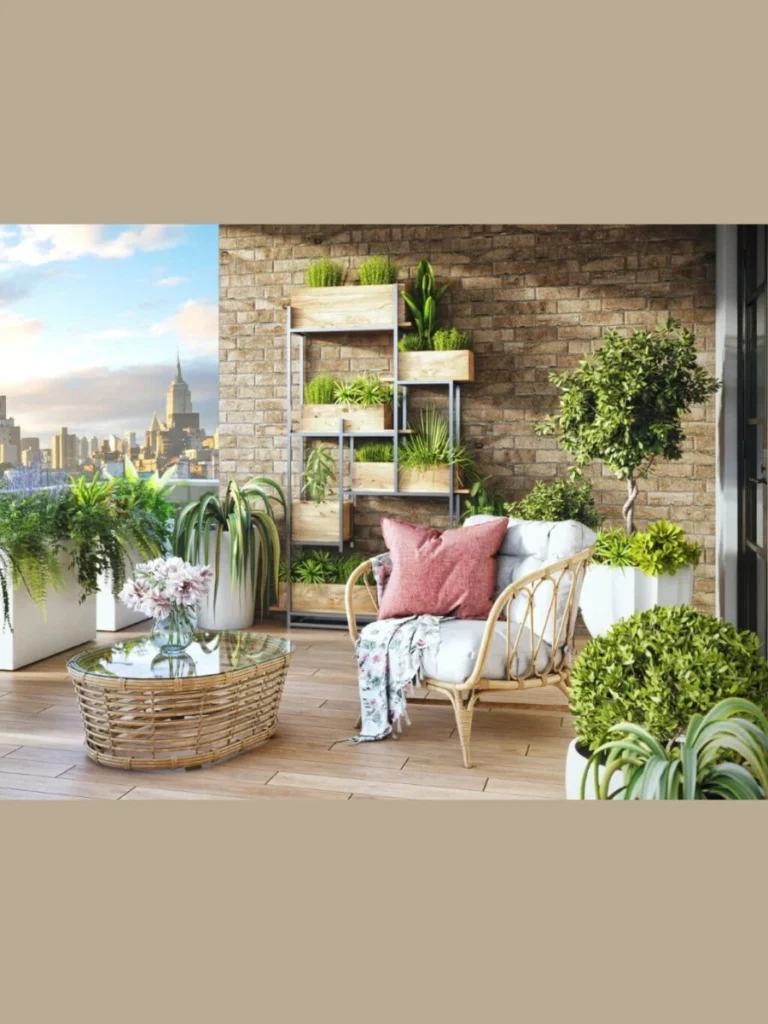
Corner planters are the best way to use those awkward angles that usually just collect dust and old spiderwebs. I found a three tier corner unit that fits perfectly in the corner and holds six different types of small plants.
It allows you to create a dense pocket of greenery without blocking the walking path or the space for your chairs. I like to mix different leaf shapes and colors in these units to create a miniature jungle effect in the corner.
Using the corners effectively makes the entire balcony feel much larger and more organized than scattering pots randomly. It is a very affordable way to maximize your square footage while still having a huge variety of different plants.
I usually put my hardiest plants on the outer edges and the more sensitive ones toward the back for protection. This setup is very easy to clean around and keeps your balcony looking tidy and well maintained throughout the season.
15. Creative Hanging Shoe Organizer Gardens
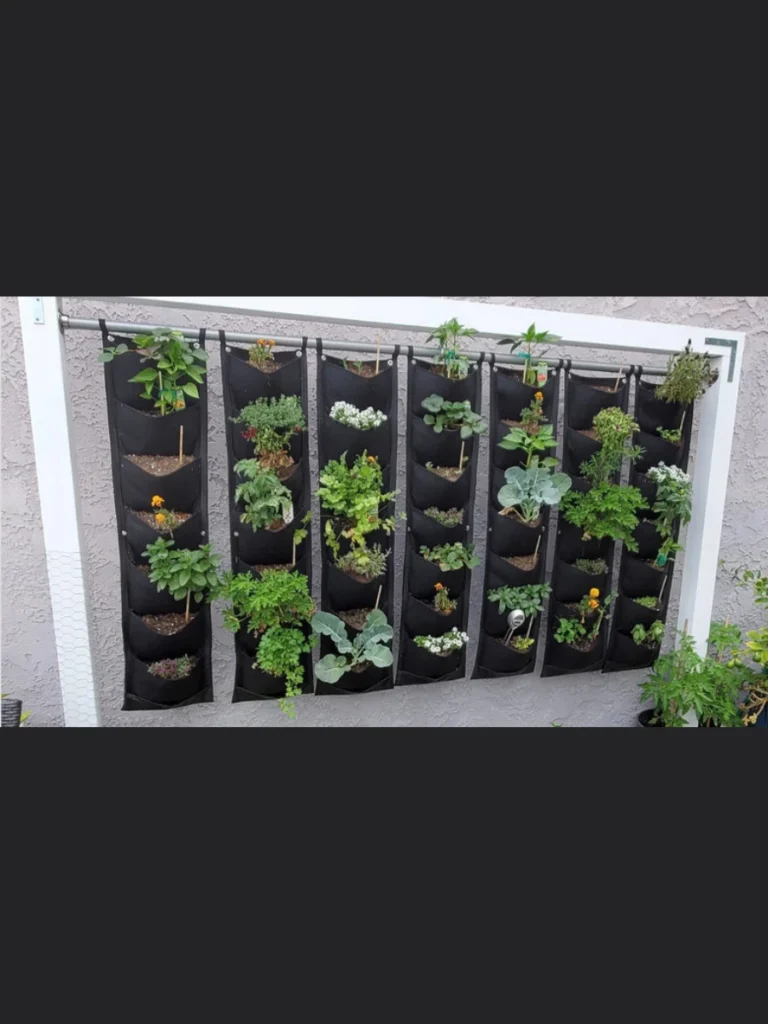
I know it sounds a bit strange, but a clear plastic shoe organizer is actually a fantastic vertical planter for small greens. I hung one on my balcony wall and filled each pocket with different types of lettuce and spinach leaves.

It is probably the most affordable way to start a vertical garden since these organizers only cost a few dollars. Each pocket holds just enough soil for a single plant, making it very easy to manage your entire harvest.
I suggest poking a tiny hole in the bottom of each pocket to make sure the water can drain out properly. It is a fun conversation starter and a very practical way to grow a massive amount of food in a tiny space.
Once the season is over, you can just dump the soil, wash the organizer, and fold it up for next year. It takes up zero storage space during the winter, which is a huge plus for anyone living in a small apartment.
Most Common Balcony Gardening Mistakes to Avoid
I have made plenty of blunders over the years, and I want to help you skip the frustration of watching your plants struggle. Most people start with great intentions but fail because they treat a balcony like a traditional backyard garden.
One huge error is picking out plants solely because they look pretty at the shop without checking your light levels. I used to buy sun loving flowers for my shady corner, only to watch them turn yellow and sad within a week.
I also see people forgetting that wind on a balcony is much stronger and dryer than it is on the ground level. If you don’t secure your pots or choose sturdy plants, you might find your garden scattered across the street after a storm.
Another mistake is using regular garden soil in containers instead of a dedicated potting mix designed for drainage. Garden soil is too heavy and compact, which literally suffocates the roots of your plants until they eventually stop growing entirely.

Pro Tips for Balcony Garden Maintenance
| Task | Frequency | Personal Advice |
| Watering | Daily / Every 2 Days | Check soil with your finger first |
| Fertilizing | Once a Month | Use liquid food for faster results |
| Pruning | Every 2 Weeks | Pinch off dead flowers to encourage growth |
| Cleaning | Weekly | Wipe down pots to keep the balcony tidy |
Conclusion
I truly believe that anyone can have a beautiful garden regardless of how much space they have on their balcony. It just takes a bit of planning and the right choice of plants to turn a small area into a private oasis.
I hope these ideas have shown you that you don’t need a huge budget or a green thumb to get started today. You can start with just one or two pots and slowly build your collection as you get more comfortable.
My balcony is now my favorite place to relax, and I know yours can become a peaceful retreat for you as well. Just remember to have fun with it and don’t be afraid to try new plants until you find what works.
FAQs
I always recommend sturdy plants like ornamental grasses or succulents that have thick leaves and can handle the air
Most pots dry out faster than garden beds, so I usually check mine every single morning during the heat of summer
North facing spaces get the least amount of sun, but you can still grow leafy greens like spinach, kale, and various herbs
I highly suggest using a high quality potting mix rather than regular garden soil because it is much lighter and drains better
I always use saucers or deep trays under my pots to catch any excess water that runs through the drainage holes