
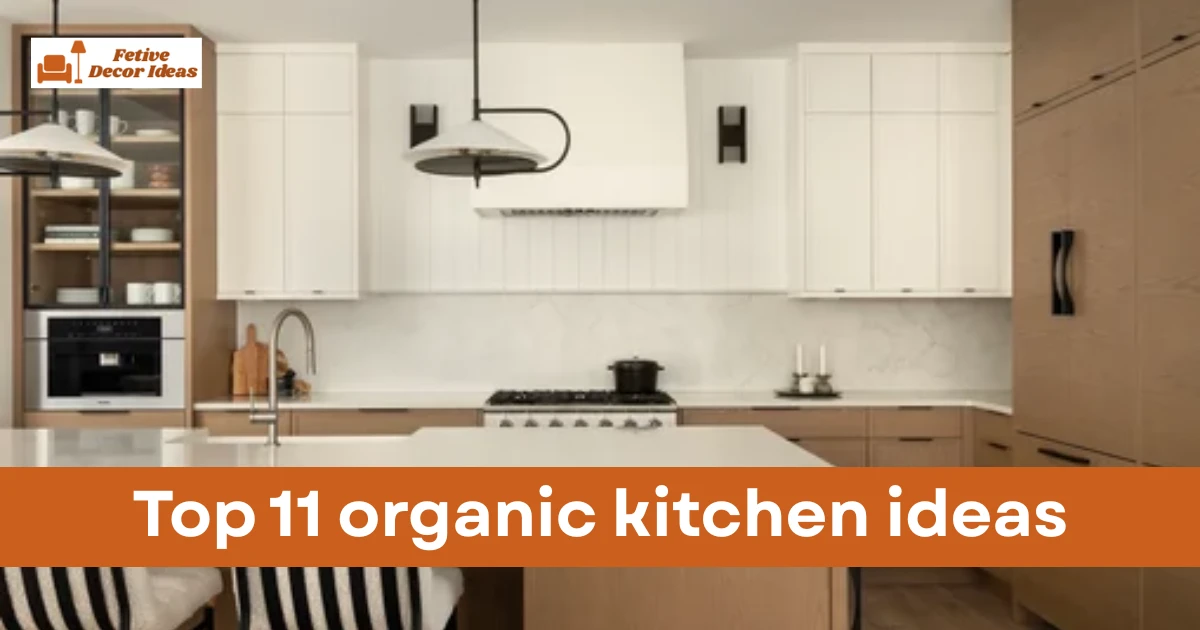
An organic kitchen focuses on natural materials, clean living, and a healthier cooking environment. I always feel a kitchen should support both food and wellbeing at the same time.
When I started exploring organic kitchen ideas, I realized small design choices change the whole feel of the space. Natural textures and eco-friendly materials make the kitchen more grounded.
A lot of people think organic kitchen design is expensive or complicated, but I see it more as smart planning. You replace harsh materials with natural ones over time.
In this guide, I am sharing practical organic kitchen ideas that actually work in real homes. Each idea is simple, realistic, and easy to adapt without heavy renovation stress.
Why Organic Kitchen Design Is Getting More Attention Today
An organic kitchen design is becoming more popular because people want healthier and cleaner living spaces. I notice more homeowners now care about what materials they bring into their cooking area.
The kitchen is no longer just a place for cooking food. It has become a space where health, lifestyle, and comfort all come together in one environment.


Many modern kitchens use synthetic materials that look good but do not always support long-term wellbeing. This is where organic kitchen ideas start making a real difference.
I personally see organic kitchen design as a practical lifestyle shift rather than a luxury trend. It focuses on natural choices that support everyday living.
1. Natural Wood Cabinets for Organic Kitchen Design
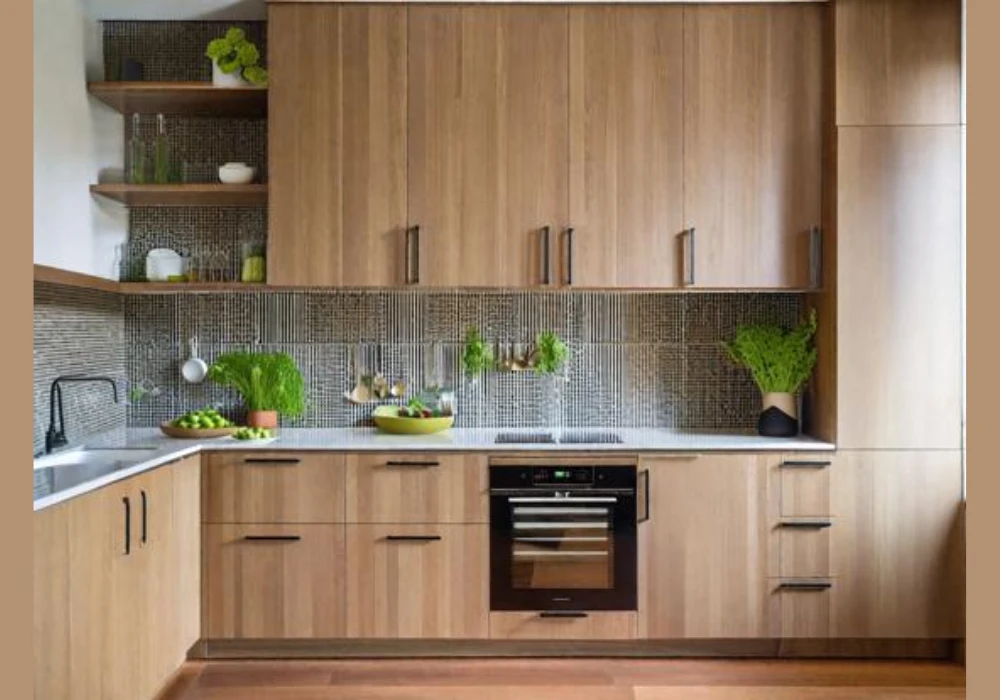
Natural wood cabinets bring a warm and earthy feel to an organic kitchen. I always notice how wood instantly makes the space feel more lived-in and calm.
Instead of glossy synthetic finishes, I prefer matte wood textures because they look closer to nature. Oak, teak, and walnut are commonly used choices.
Wood cabinets also work well with both modern and traditional kitchen styles. This flexibility makes them a safe long term design choice.
2. Bamboo Countertops for Sustainable Kitchen Style
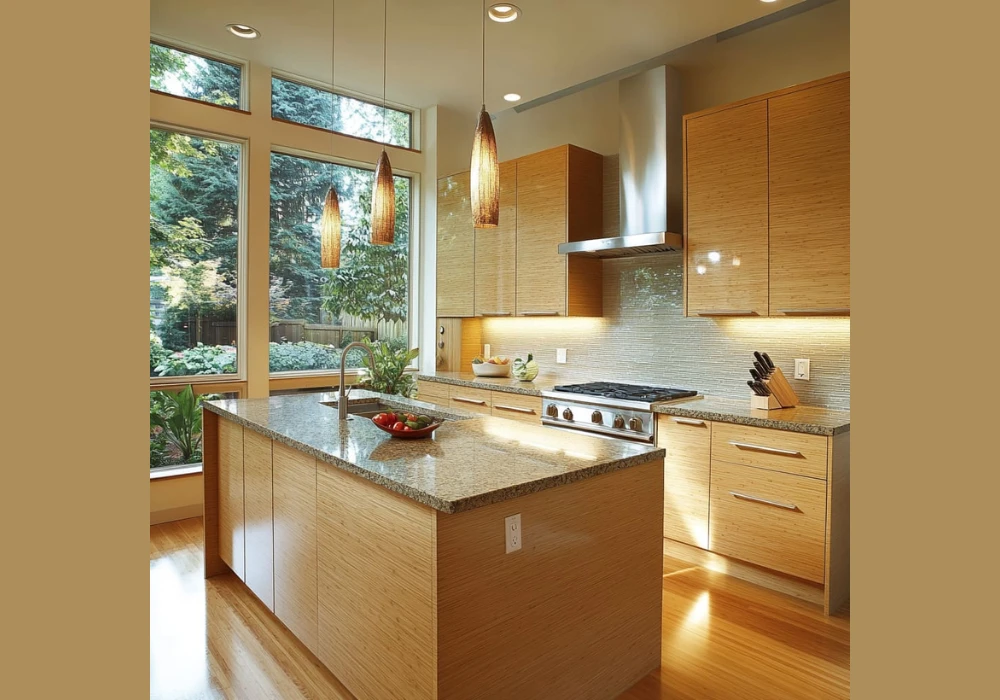
Bamboo countertops support a clean and eco friendly kitchen setup. I like bamboo because it grows fast and feels naturally light in design.
Compared to stone, bamboo gives a softer visual appeal in cooking spaces. It also blends well with green plants and natural lighting.

Many homeowners choose bamboo because it reduces dependency on heavy processed materials. It also works well in compact kitchens.
From my experience, bamboo needs basic sealing to avoid moisture damage. Once maintained, it lasts well in everyday kitchen use. Bamboo also pairs nicely with white walls and claybased decor.
3. Indoor Herb Garden Kitchen Setup for Fresh Cooking Space
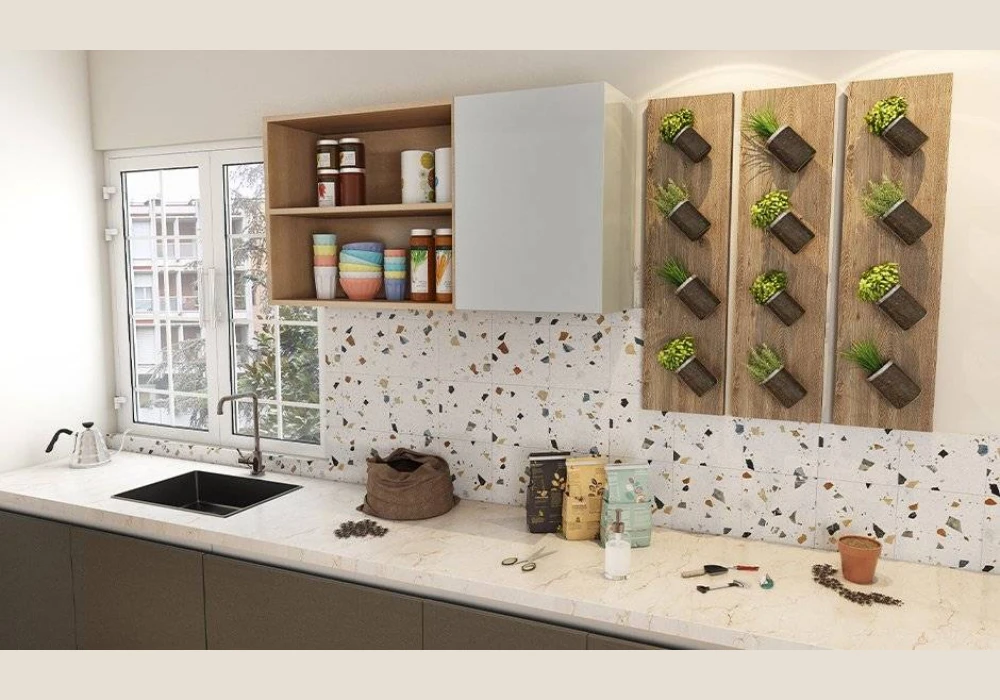
An indoor herb garden adds life and function to an organic kitchen. I enjoy how fresh herbs make cooking easier and more natural.

Small pots of basil, mint, and coriander near the window can change your cooking habits. You stop relying on packaged herbs so much.
This setup works even in small apartments. A simple shelf or hanging planter is enough to start. I usually place herbs close to sunlight to keep them healthy. Good airflow also helps them grow without extra effort.
An herb garden also improves kitchen air quality slightly. It adds a fresh smell that feels better than artificial fresheners.

4. Stone Countertops for Natural Organic Kitchen Look
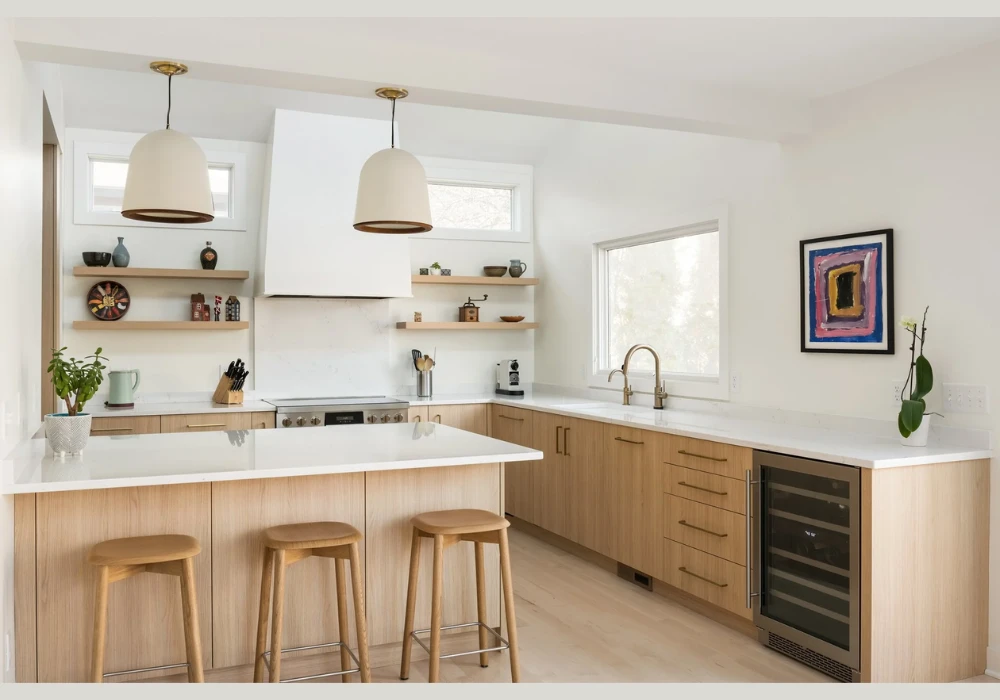
Stone countertops give a strong natural identity to kitchen spaces. I often recommend them for people who want long term durability with organic appeal.
Materials like granite and marble connect the kitchen with raw earth elements. They feel solid and stable during daily use.
Stone surfaces handle heat better than many synthetic options. This makes them practical for cooking heavy households.

One thing I always remind people is sealing. Proper sealing protects stone from stains and moisture damage. Stone also pairs well with wooden cabinets and metal fixtures. This mix creates a balanced organic kitchen style.
5. Clay and Terracotta Elements for Warm Organic Kitchen Feel
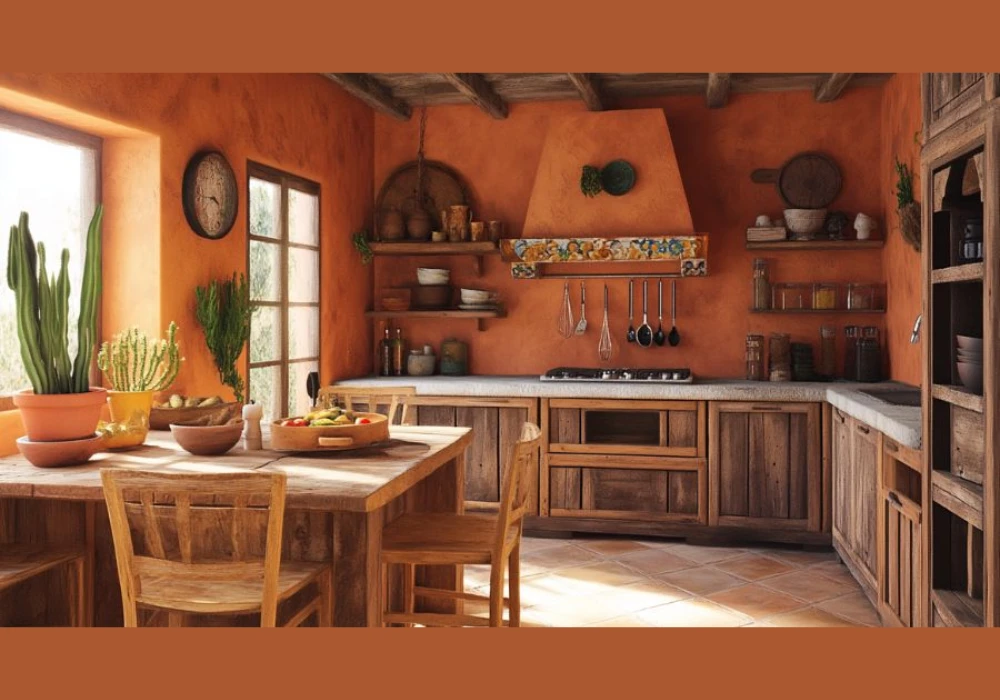
Clay and terracotta elements bring a raw, earthy character to an organic kitchen. I often notice how these materials instantly soften a modern kitchen layout.
When I add terracotta pots, tiles, or bowls, the kitchen starts feeling more grounded and traditional. It connects the cooking space with natural craftsmanship.
These materials also work well for people who want a rustic but clean design approach. They are simple, affordable, and visually calming.
I usually recommend terracotta for open shelves and countertop décor. It keeps the kitchen looking natural without feeling over-designed or artificial.
6. Non Toxic Wall Paint for Healthy Organic Kitchen Interior
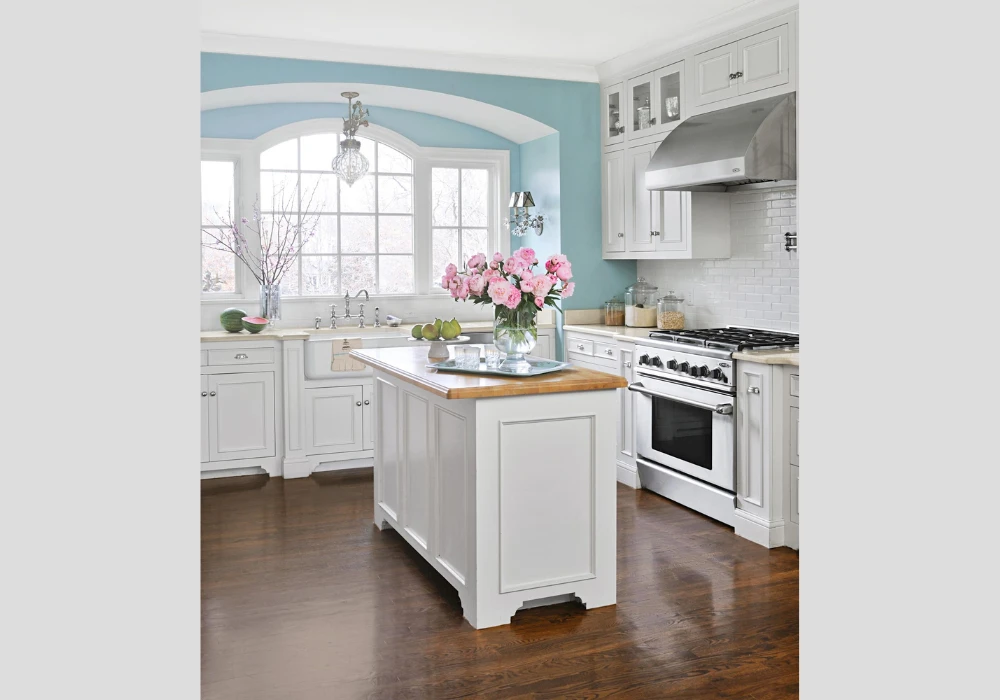
Non toxic wall paint supports a cleaner and safer kitchen environment. I always prefer low VOC or zero VOC paints for better indoor air quality.

Many people ignore wall paint, but it affects both health and mood. Chemical heavy paints can slowly impact air quality in closed kitchens.

I usually choose soft natural shades like beige, olive, or clay white. These colors blend well with organic materials and reduce visual stress.
From my experience, matte finishes work better than glossy ones in organic kitchens. They reflect less artificial shine and feel more natural.
7. Recycled Wood Shelving for Eco Friendly Kitchen Storage
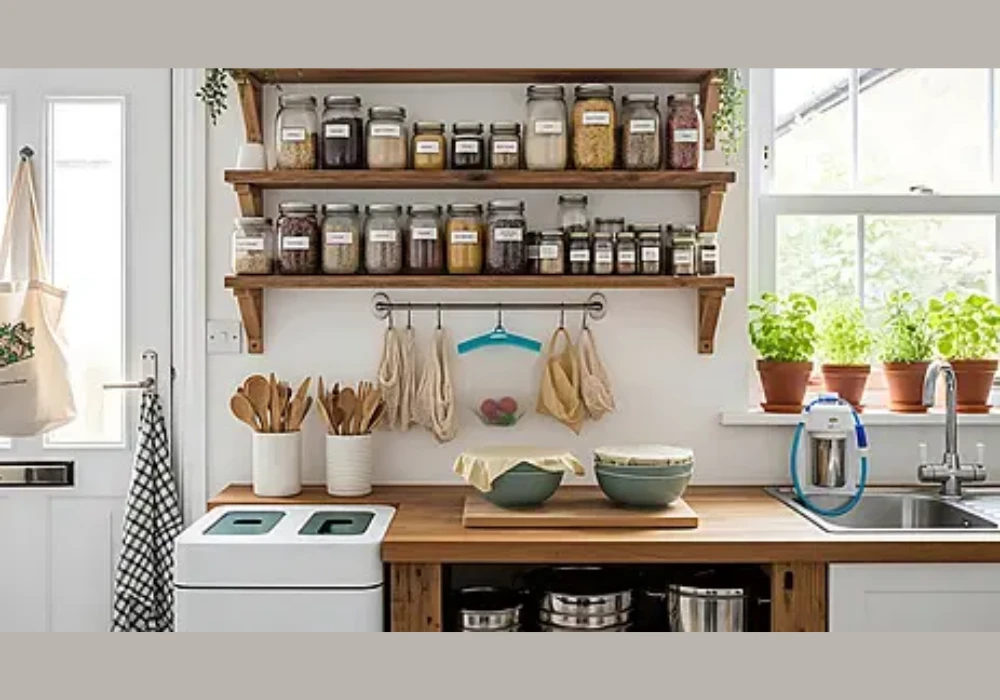
Recycled wood shelving gives a second life to old materials in a stylish way. I like this idea because it reduces waste and adds character at the same time.
Each recycled wood piece has unique textures and patterns. This makes the kitchen look more authentic instead of factory made.
These shelves are perfect for storing jars, spices, and everyday kitchen items. They keep things visible and easy to access.

I personally prefer open shelving in organic kitchens because it encourages minimal and organized storage habits.
8. Natural Fiber Rugs for Soft Organic Kitchen Flooring Style
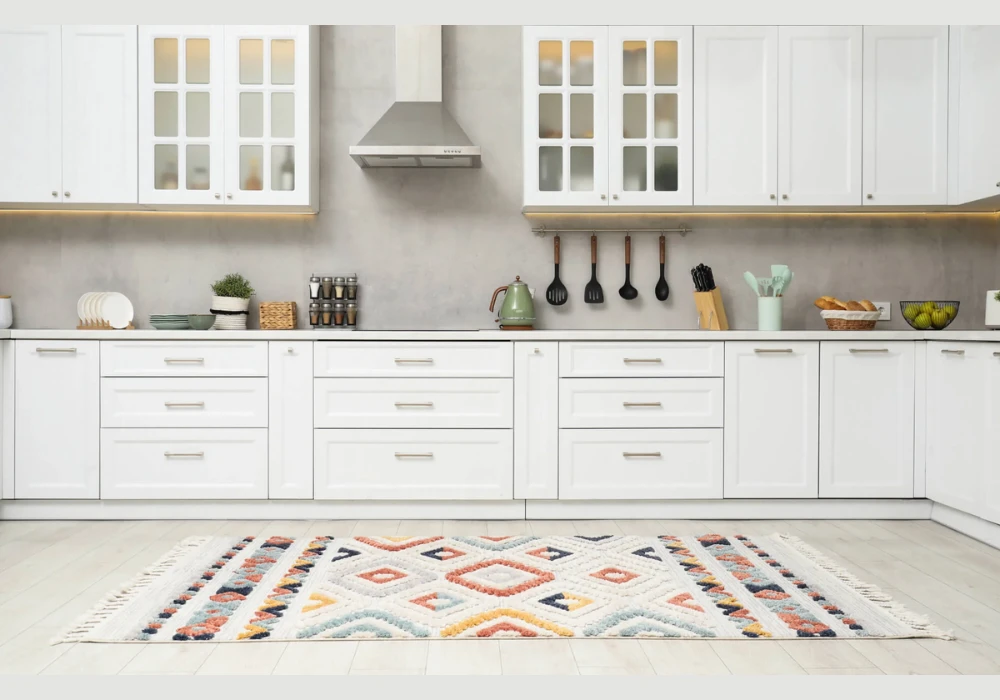
Natural fiber rugs add warmth and comfort to kitchen flooring. I often use jute or cotton rugs to soften hard surfaces.
These rugs reduce the cold feeling of tile or stone floors. They also make standing in the kitchen more comfortable.

Natural fibers fit perfectly with organic kitchen themes because they come from plant-based materials. They feel simple and honest in design.
I usually place rugs near the sink or cooking area. This helps reduce fatigue during long cooking sessions. One thing I always suggest is choosing washable rugs. Kitchens need easy cleaning options due to spills and moisture.
9. Glass Storage Jars for Clean Organic Kitchen Organization
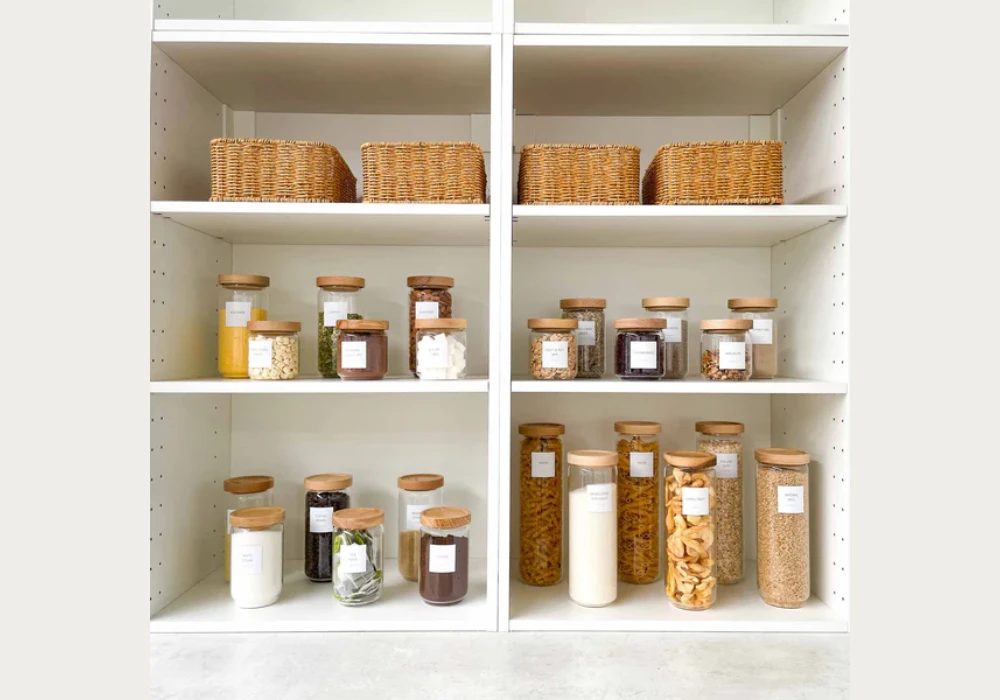
Glass storage jars help keep an organic kitchen clean, visible, and well-organized. I always prefer glass over plastic because it keeps food storage more natural and safe.

When I store grains, spices, or pulses in clear jars, I can easily see everything. This reduces waste and avoids overbuying items I already have.
Glass jars also improve kitchen hygiene because they do not absorb odors or stains. They stay fresh-looking even after long term use.
I usually arrange jars on open shelves to maintain a simple and structured kitchen layout. It also adds a calm and organized visual appeal.
10. Natural Lighting Setup for Organic Kitchen Atmosphere
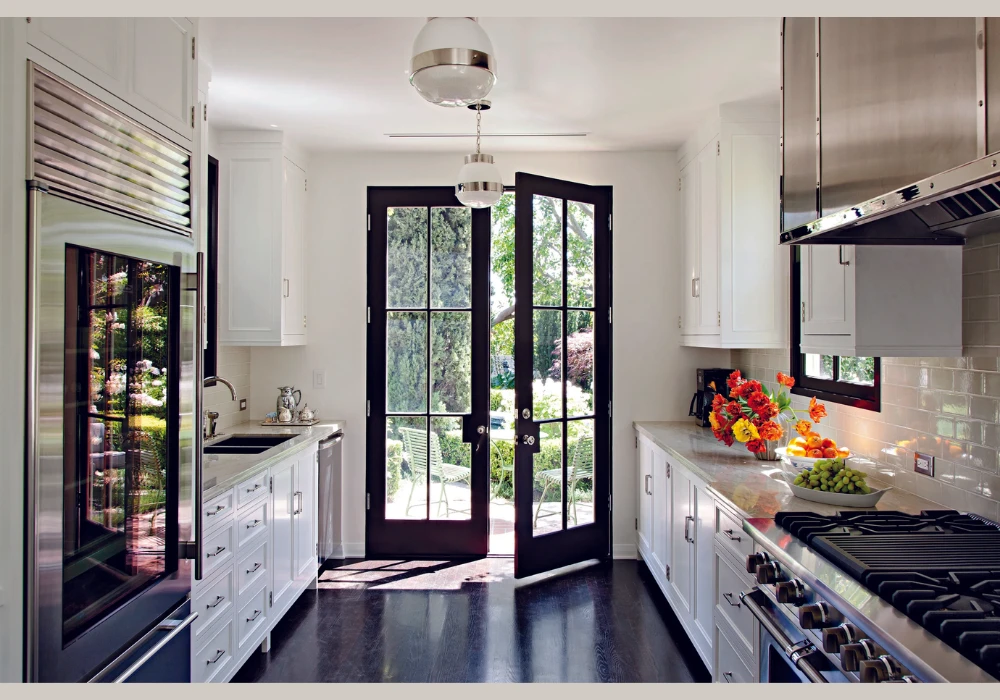
Natural lighting plays a big role in creating a true organic kitchen feel. I always try to maximize sunlight because it improves both mood and space clarity.
Large windows or skylights help reduce the need for artificial lighting during the day. This also lowers energy usage in the kitchen.
Natural light makes wood, stone, and plants look more alive and detailed. It enhances the overall organic design without extra effort.


I personally avoid heavy curtains and prefer light cotton or linen fabrics. They allow sunlight to enter while keeping privacy balanced.
11. Eco Friendly Kitchen Accessories and Minimal Decor Style
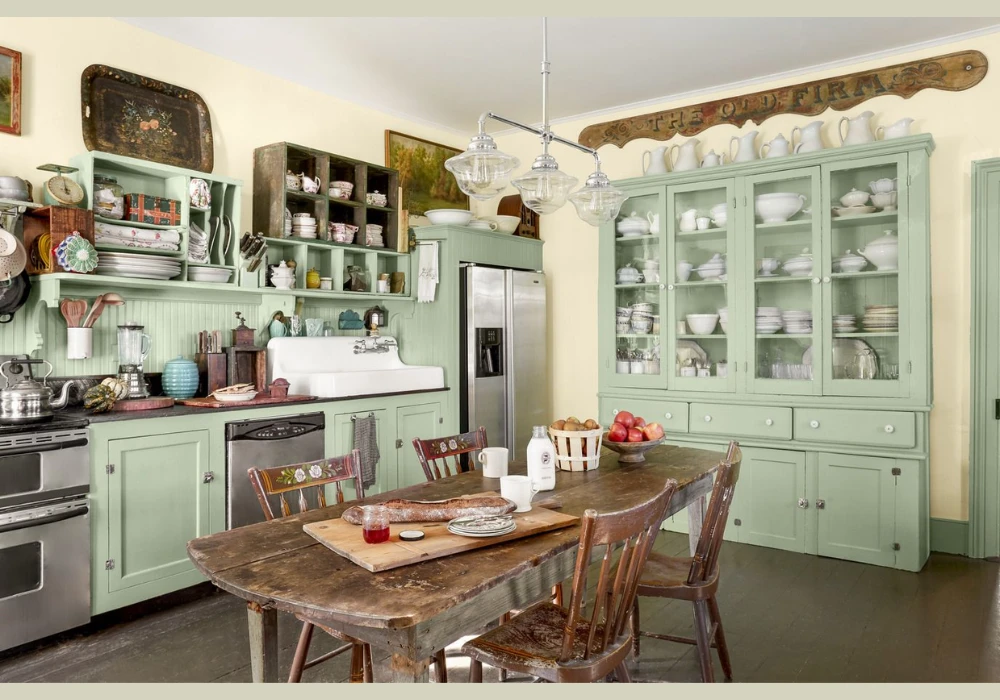
Eco-friendly accessories complete the organic kitchen look with small but meaningful changes. I usually choose items made from bamboo, clay, or recycled materials.
Instead of filling the kitchen with too many items, I focus on minimal and functional décor. This keeps the space clean and less cluttered.
Even simple things like wooden spoons, metal containers, and cotton towels support the organic theme. They also last longer than plastic alternatives.
I prefer keeping only essential items visible on the countertop. This creates a calm and practical cooking environment.
Organic Kitchen Ideas Summary
| Idea No. | Organic Kitchen Element | Key Benefit |
|---|---|---|
| 1 | Natural Wood Cabinets | Warm and long lasting design |
| 2 | Bamboo Countertops | Eco-friendly and lightweight |
| 3 | Indoor Herb Garden | Fresh cooking ingredients |
| 4 | Stone Countertops | Durable natural surface |
| 5 | Clay & Terracotta Decor | Earthy traditional feel |
| 6 | Non Toxic Paint | Healthy indoor air |
| 7 | Recycled Wood Shelving | Sustainable storage |
| 8 | Natural Fiber Rugs | Comfortable flooring |
| 9 | Glass Storage Jars | Clean organization |
| 10 | Natural Lighting | Energy saving & bright space |
| 11 | Eco Friendly Accessories | Minimal organic styling |
Practical Tips for Building an Organic Kitchen
I always recommend starting small instead of redesigning everything at once. Small changes create a more realistic and budget friendly transition.

Focus on replacing plastic items first because they affect both health and environment. Gradually shift toward natural alternatives like wood and glass.
Keep the kitchen clutter-free because organic design depends heavily on simplicity. Too many items break the natural flow of the space.
Try to mix textures like wood, stone, and plants instead of using one material everywhere. This creates a balanced and natural visual experience.
Conclusion
An organic kitchen is not just about design, it is about how you live every day. I always see it as a combination of health, comfort, and simplicity.

When you use natural materials and reduce synthetic elements, your kitchen becomes more peaceful. It also supports healthier cooking habits over time.
Even small steps like adding plants or switching to glass jars make a noticeable difference. You don’t need a full renovation to start this journey.

If I had to summarize it, I would say an organic kitchen is about choosing better materials and keeping things simple. That alone changes the entire cooking experience.
FAQs
An organic kitchen design focuses on natural materials, eco friendly products, and a clean, healthy cooking environment.
It depends on your choices. You can start small with affordable items like bamboo, glass jars, and natural fabrics.
Wood, bamboo, stone, clay, and glass are commonly used for organic kitchen setups.
Yes, even small kitchens can follow organic design by using minimal décor and natural materials.
Natural lighting improves mood, reduces energy use, and enhances the look of natural materials.